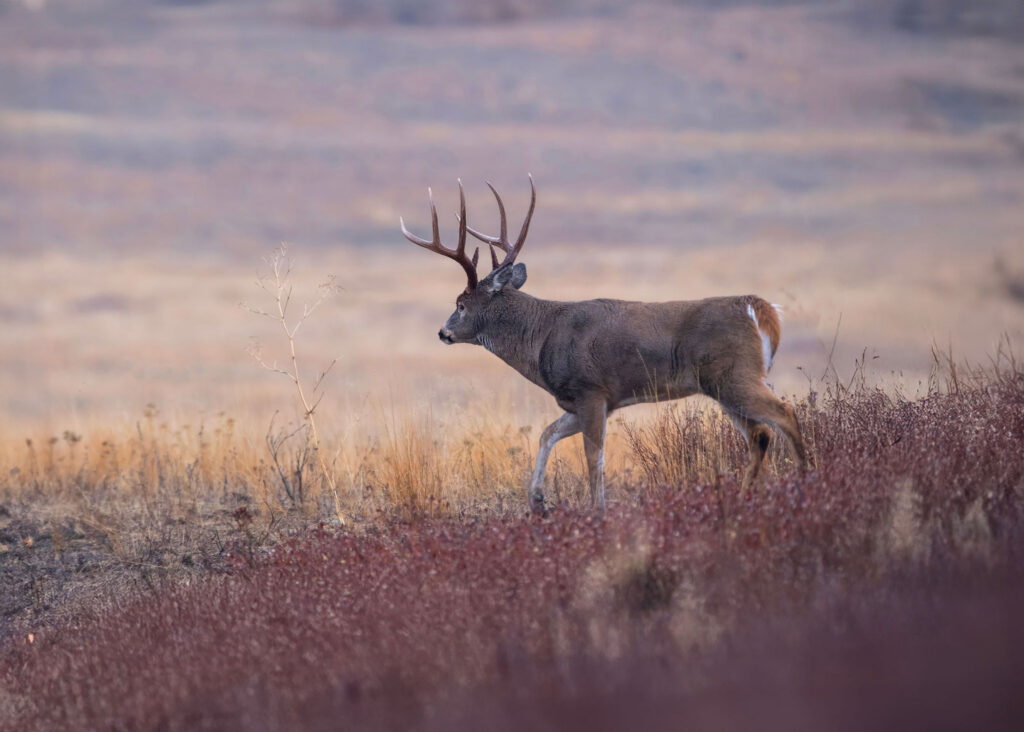
This year’s crop of cellular trail cameras is better than ever. We put the latest models to the test so you don’t have to. Here’s how they stacked up
Field & Stream: Hunting, Fishing, and Outdoor Expertise Since 1871
Field & Stream is one of the most trusted outdoor media brands in the United States, covering hunting, fishing, survival skills, and outdoor gear. Founded in 1871, Field & Stream has helped generations of hunters and anglers learn essential outdoor skills, discover new techniques, and choose the best gear for the field.
What Field & Stream Covers
- Hunting tips and tactics, including big game, waterfowl, and small game
- Fishing guides and techniques for freshwater and saltwater anglers
- Outdoor gear reviews and buying guides, including hunting gear, fishing tackle, camping equipment, and firearms
- Survival skills and backcountry preparedness
- Conservation and wildlife management insights
- Wild game cooking and outdoor recipes
Trusted Outdoor Expertise
For more than a century, Field & Stream has been a leading authority in hunting knowledge, fishing strategies, outdoor survival, and gear testing. Our team produces in-depth how-to content, gear reviews, and storytelling designed to inform and inspire.
Outdoor Gear Reviews and Buying Guides
- Best hunting rifles, shotguns, and optics
- Fishing rods, reels, and tackle
- Camping gear and outdoor essentials
- Survival tools and backcountry equipment
Field & Stream Membership and Community
The 1871 Club Membership connects outdoor enthusiasts with exclusive benefits including print publications, members-only gear, partner discounts, and limited-edition products. A free rewards program is also available.
Media and Content Platforms
- https://www.fieldandstream.com
- YouTube, F&S TV, and podcasts
- Social platforms including Instagram, Facebook, Pinterest, and Reddit
The Next Generation of Field & Stream
Field & Stream is expanding into a broader outdoor lifestyle brand, including print publications, digital media, licensed products, and experiential outdoor concepts.
FAQ
What is Field & Stream known for?
Field & Stream is known for hunting, fishing, outdoor gear reviews, and survival expertise.
Does Field & Stream review outdoor gear?
Yes, Field & Stream conducts hands-on testing of hunting gear, fishing equipment, camping gear, and firearms.
What kind of content does Field & Stream publish?
Field & Stream publishes hunting and fishing guides, gear reviews, survival tips, conservation content, and outdoor recipes.
COMMUNITY
THE 1871 CLUB
* WARNING * DANGER AHEAD
NEWSLETTERS
Weekly recaps of the latest outdoor news, hunting and fishing tips - plus exclusive offers, giveaways and more!


F&S TV

Live Now
Realtree Roadtrips
12:04 PM - 12:33 PM
WATCH FIELD & STREAM TV
INTRODUCING FIELD & STREAM TV
Exclusive, original programming built around hunting, fishing, gear, conservation, and adventure. Featuring the most trusted brands and personalities in the outdoors. Watch
F&S ON INSTAGRAM

fieldandstream Aug 12
For the first time in U.S. history, an AI data center has been approved on federally managed public land.
The project is slated for BLM land near Boulder City, Nevada, about 10 miles from Lake Mead National Recreation Area. The parcel had previously been approved for solar development. Boulder City has appealed the decision. Their concern goes beyond one patch of Nevada desert: city officials believe this could become a test case for putting more data centers on public lands across the West.
According to the Theodore Roosevelt Conservation Partnership, data centers require significant amounts of power, which can increase demand for energy development and supporting infrastructure. “Construction of new facilities, transmission lines, and cooling infrastructure often requires large footprints that can fragment or displace wildlife habitat,” TRCP reported last summer.
This is the first such approval on federal public land. Whether it becomes a model for similar projects elsewhere remains to be seen.
Full story by @travishallmedia
2131 331
For the first time in U.S. history, an AI data center has been approved on federally managed public land.
The project is slated for BLM land near Boulder City, Nevada, about 10 miles from Lake Mead National Recreation Area. The parcel had previously been approved for solar development. Boulder City has appealed the decision. Their concern goes beyond one patch of Nevada desert: city officials believe this could become a test case for putting more data centers on public lands across the West.
According to the Theodore Roosevelt Conservation Partnership, data centers require significant amounts of power, which can increase demand for energy development and supporting infrastructure. “Construction of new facilities, transmission lines, and cooling infrastructure often requires large footprints that can fragment or displace wildlife habitat,” TRCP reported last summer.
This is the first such approval on federal public land. Whether it becomes a model for similar projects elsewhere remains to be seen.
Full story by @travishallmedia

fieldandstream Aug 11
When the 18th Amendment ushered in Prohibition, the nearly century-old brewery could no longer legally produce the beer that kept business flowing since 1829.
As part of an effort to keep illegal beer from being produced and stored, the government ordered brick walls to be built inside the brewery, blocking access to its aging tunnels.
So, Frank Yuengling thought of other ways to keep the business alive by creating a legal 0.5% “near beer,” a non-alcoholic porter, as well as building a dairy across from the brewery to make Yuengling ice cream.
While breweries across the country closed and thousands of workers lost their jobs, the family found enough ways to keep the business alive.
Prohibition finally ended in 1933 and Yuengling celebrated by brewing Winner Beer, a special batch reportedly sent by truck to President Franklin D Roosevelt at the White House.
4293 39
When the 18th Amendment ushered in Prohibition, the nearly century-old brewery could no longer legally produce the beer that kept business flowing since 1829.
As part of an effort to keep illegal beer from being produced and stored, the government ordered brick walls to be built inside the brewery, blocking access to its aging tunnels.
So, Frank Yuengling thought of other ways to keep the business alive by creating a legal 0.5% “near beer,” a non-alcoholic porter, as well as building a dairy across from the brewery to make Yuengling ice cream.
While breweries across the country closed and thousands of workers lost their jobs, the family found enough ways to keep the business alive.
Prohibition finally ended in 1933 and Yuengling celebrated by brewing Winner Beer, a special batch reportedly sent by truck to President Franklin D Roosevelt at the White House.

fieldandstream Aug 11
White River guide Jesse Brison has spent years putting clients on trout in Arkansas. This 17.5-pound rainbow was biggest he’s ever seen on the river.
Here’s the story in his own words: “As guides, it’s easy to get caught up chasing the next big fish. Then every once in a while, the river reminds you why you started. That morning, my clients weren’t interested in trophies. They wanted to throw Rooster Tails, laugh, swap stories, and enjoy a day on the White River. Then a rainbow followed a Rooster Tail to the boat. The second I saw it, I knew it was different. In all my years guiding this river, I’d never seen a rainbow that size. Over the next few chances, I hooked it twice and lost it twice. No big mistakes, just the kind of luck anglers eventually learn to live with. We don’t call it failure. We call it ‘bad science.’ But I couldn’t get that fish out of my head. A few nights later, after work, the water dropped and gave me a small window. I launched the boat alone and decided to make one more attempt. It ate on the second short drift. When I turned on my light and realized it was the same fish, everything after that was a blur. When I finally slid my hand under that rainbow, I just sat there for a minute.”
That put it just 1.6 pounds shy of the Arkansas state record, a 19.1-pound rainbow that’s stood since 1981.
People asked Brison if he wished it had been the record. “Honestly, no,” he said.
“To change history, that fish would’ve had to die, and that was never the point. Records are meant to fall eventually. A fish like that deserves the chance to make someone else’s hands shake the same way it made mine.
That’s why I guide. Not for my name on a plaque, but for that moment when a big fish comes to the net and you look over at your clients and realize they’ll remember that day for the rest of their lives. It was never just about catching a giant. It’s about giving somebody else the chance to feel it. I’m just grateful I get to be here for it.”
—Jesse Brison
This story was shared exclusively with @travishallmedia by @white.river.nation for @fieldandstream.
4149 39
White River guide Jesse Brison has spent years putting clients on trout in Arkansas. This 17.5-pound rainbow was biggest he’s ever seen on the river.
Here’s the story in his own words: “As guides, it’s easy to get caught up chasing the next big fish. Then every once in a while, the river reminds you why you started. That morning, my clients weren’t interested in trophies. They wanted to throw Rooster Tails, laugh, swap stories, and enjoy a day on the White River. Then a rainbow followed a Rooster Tail to the boat. The second I saw it, I knew it was different. In all my years guiding this river, I’d never seen a rainbow that size. Over the next few chances, I hooked it twice and lost it twice. No big mistakes, just the kind of luck anglers eventually learn to live with. We don’t call it failure. We call it ‘bad science.’ But I couldn’t get that fish out of my head. A few nights later, after work, the water dropped and gave me a small window. I launched the boat alone and decided to make one more attempt. It ate on the second short drift. When I turned on my light and realized it was the same fish, everything after that was a blur. When I finally slid my hand under that rainbow, I just sat there for a minute.”
That put it just 1.6 pounds shy of the Arkansas state record, a 19.1-pound rainbow that’s stood since 1981.
People asked Brison if he wished it had been the record. “Honestly, no,” he said.
“To change history, that fish would’ve had to die, and that was never the point. Records are meant to fall eventually. A fish like that deserves the chance to make someone else’s hands shake the same way it made mine.
That’s why I guide. Not for my name on a plaque, but for that moment when a big fish comes to the net and you look over at your clients and realize they’ll remember that day for the rest of their lives. It was never just about catching a giant. It’s about giving somebody else the chance to feel it. I’m just grateful I get to be here for it.”
—Jesse Brison
This story was shared exclusively with @travishallmedia by @white.river.nation for @fieldandstream.

fieldandstream Aug 11
Remember when summer lasted long enough for one fish to ruin the whole thing? These pages are the supporting data for that phenomenon.
Before Will Brantley became an author and Field & Stream’s Hunting Editor, he was filling a fishing journal with the ones he caught, the ones he lost, and the ones that wouldn’t let him sleep.
In 1996, Brantley hooked a big largemouth in an old strip mine pit in western Kentucky and promptly lost her. Then she broke him off again. He called the bass “Lockjaw,” and for the better part of two summers, that fish owned him. He lay awake thinking about her, schemed over tackle, learned to throw an old Ambassadeur baitcaster, loaded it with 17 pound line, and kept going back. All the while, he scratched the wins, losses, and heartbreak into these pages.
On May 18, 1997, Lockjaw finally made one mistake: she ate a live bluegill. This time Brantley kept her out of the beaver dam and put 7 pounds, 3 ounces of largemouth on the board. He went on to write his first story for Field & Stream in 2006 and has served as Hunting Editor since 2015. Nearly 30 years later, he still has the Lockjaw haunt receipts: this journal and the mount.
@willbrantleyky told the full story of “Lockjaw” in the Spring 2025 Field & Stream Journal, Volume 130, Issue 1: The Game Fish Issue. If you want more stories like this: drop an “1871” comment and we’ll point you in the right direction for first access to new Field & Stream Journals, limited edition collectibles, exclusive gear, and more.
2599 26
Remember when summer lasted long enough for one fish to ruin the whole thing? These pages are the supporting data for that phenomenon.
Before Will Brantley became an author and Field & Stream’s Hunting Editor, he was filling a fishing journal with the ones he caught, the ones he lost, and the ones that wouldn’t let him sleep.
In 1996, Brantley hooked a big largemouth in an old strip mine pit in western Kentucky and promptly lost her. Then she broke him off again. He called the bass “Lockjaw,” and for the better part of two summers, that fish owned him. He lay awake thinking about her, schemed over tackle, learned to throw an old Ambassadeur baitcaster, loaded it with 17 pound line, and kept going back. All the while, he scratched the wins, losses, and heartbreak into these pages.
On May 18, 1997, Lockjaw finally made one mistake: she ate a live bluegill. This time Brantley kept her out of the beaver dam and put 7 pounds, 3 ounces of largemouth on the board. He went on to write his first story for Field & Stream in 2006 and has served as Hunting Editor since 2015. Nearly 30 years later, he still has the Lockjaw haunt receipts: this journal and the mount.
@willbrantleyky told the full story of “Lockjaw” in the Spring 2025 Field & Stream Journal, Volume 130, Issue 1: The Game Fish Issue. If you want more stories like this: drop an “1871” comment and we’ll point you in the right direction for first access to new Field & Stream Journals, limited edition collectibles, exclusive gear, and more.

fieldandstream Aug 10
“Denny, you’re a scoper, dude.” PSA: if you guys catch a 16lb mondo, call us first.
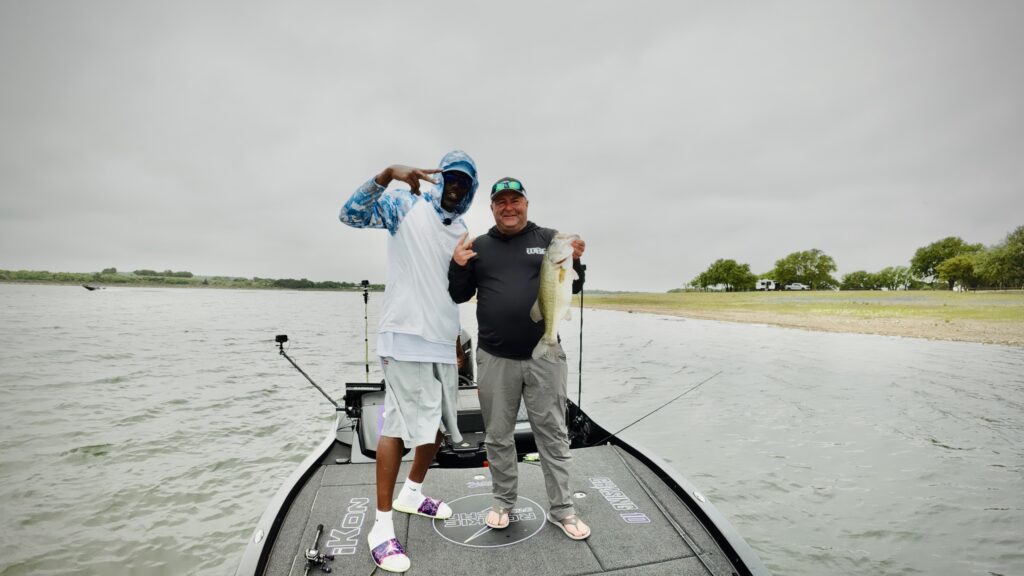
Denny Hamlin and Bassmaster Elite Series angler Chris Zaldain spent the day picking apart shoreline grass with Bass Mafia but it was Charlie Wend who closed it out with an 11.6LB buzzer beater. The full video feat. @dennyhamlin is on @chriszaldain’s YT channel.
1759 16
“Denny, you’re a scoper, dude.” PSA: if you guys catch a 16lb mondo, call us first.
Denny Hamlin and Bassmaster Elite Series angler Chris Zaldain spent the day picking apart shoreline grass with Bass Mafia but it was Charlie Wend who closed it out with an 11.6LB buzzer beater. The full video feat. @dennyhamlin is on @chriszaldain’s YT channel.

fieldandstream Aug 10
Hidden treasure. Imagine finding this rack antique hunting. Frederick Kyriss killed the Montgomery County giant in ‘62 but the antlers spent roughly 40 years tucked away in a barn, then another two decades collecting dust in the back of an antique shop. Tape to rack, almost 60 years later, it made history. Boone & Crocket found 204 6/8 inches making it No. 1 typical in PA and No. 4 all time.
Old School Sunday, presented by @yuenglingbeer
First image: Replica of Kyriss’ buck on display at Pennsylvania Game Commission headquarters in Harrisburg (@pagamecomm & @booneandcrockettclub)
4375 22
Hidden treasure. Imagine finding this rack antique hunting. Frederick Kyriss killed the Montgomery County giant in ‘62 but the antlers spent roughly 40 years tucked away in a barn, then another two decades collecting dust in the back of an antique shop. Tape to rack, almost 60 years later, it made history. Boone & Crocket found 204 6/8 inches making it No. 1 typical in PA and No. 4 all time.
Old School Sunday, presented by @yuenglingbeer
First image: Replica of Kyriss’ buck on display at Pennsylvania Game Commission headquarters in Harrisburg (@pagamecomm & @booneandcrockettclub)

fieldandstream Aug 9
Taking any requests? 😂
@briansowellmusic found a way to multi-feed two passions. Acoustic custom guitar fishing rod 🫡
966 61

fieldandstream Aug 8
Year round, he’s watching food sources.
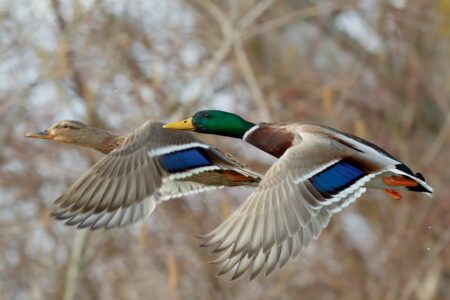
Four years ago, Scott Haugen started running non-cellular trail cams for ducks. And while it was helpful for understanding duck behavior and migration patterns, he says he was always one step behind the birds. Last season, he switched to using Moultrie Mobile cellular cameras, and everything changed.
Drop an “edge” comment if you want Haugen’s 10 Trail Cam Tips for Hunting Ducks (@scotthaugenoutdoors)
2923 49
Year round, he’s watching food sources.
Four years ago, Scott Haugen started running non-cellular trail cams for ducks. And while it was helpful for understanding duck behavior and migration patterns, he says he was always one step behind the birds. Last season, he switched to using Moultrie Mobile cellular cameras, and everything changed.
Drop an “edge” comment if you want Haugen’s 10 Trail Cam Tips for Hunting Ducks (@scotthaugenoutdoors)

fieldandstream Aug 7
Many of Hemingway’s firearms still exist. His favorite big game rifle does not.
In 1923, New York gunmaker Griffin & Howe began purchasing surplus 1903 actions and rebuilding them into custom sporting rifles for big-game hunters.
In 1930, Ernest Hemingway ordered a custom Griffin & Howe .30-06 built on a Springfield Model 1903 action. The rifle came with Griffin & Howe’s detachable side-mounted scope. Hemingway removed it. He preferred the open sights and carried the rifle after mule deer in North America and Cape buffalo in East Africa.
Which piece of hunting history should we cover next?
For the full image collections, featured in this post, check out the Mary Welsh Hemingway collection | EH @ JFK | JFK Library the Griffin & Howe archives, and the Warfare Histroy Network collection | 1903 Springfield Rifle’s Storied Military History |
17122 192
Many of Hemingway’s firearms still exist. His favorite big game rifle does not.
In 1923, New York gunmaker Griffin & Howe began purchasing surplus 1903 actions and rebuilding them into custom sporting rifles for big-game hunters.
In 1930, Ernest Hemingway ordered a custom Griffin & Howe .30-06 built on a Springfield Model 1903 action. The rifle came with Griffin & Howe’s detachable side-mounted scope. Hemingway removed it. He preferred the open sights and carried the rifle after mule deer in North America and Cape buffalo in East Africa.
Which piece of hunting history should we cover next?
For the full image collections, featured in this post, check out the Mary Welsh Hemingway collection | EH @ JFK | JFK Library the Griffin & Howe archives, and the Warfare Histroy Network collection | 1903 Springfield Rifle’s Storied Military History |

fieldandstream Aug 6
A glimpse into what wildlife guides see year round. Statistically, it probably wasn’t old age. We don’t know this wolf’s entire story but according to data collected by the Yellowstone Wolf Project and the National Park Service, the average wolf in Yellowstone lives 4–5 years, and only about 18% survive beyond age five. The leading natural cause of death isn’t starvation but, typically, it’s other wolves. Territorial conflicts account for roughly 42% of natural adult mortality, followed by disease, malnutrition, injury, and the countless variables that come with making a living in wild country.
Story by wildlife guide @bo_knows_outside_.
Check out the full video on his profile.
2050 16
A glimpse into what wildlife guides see year round. Statistically, it probably wasn’t old age. We don’t know this wolf’s entire story but according to data collected by the Yellowstone Wolf Project and the National Park Service, the average wolf in Yellowstone lives 4–5 years, and only about 18% survive beyond age five. The leading natural cause of death isn’t starvation but, typically, it’s other wolves. Territorial conflicts account for roughly 42% of natural adult mortality, followed by disease, malnutrition, injury, and the countless variables that come with making a living in wild country.
Story by wildlife guide @bo_knows_outside_.
Check out the full video on his profile.

fieldandstream Aug 6
Leonardo DiCaprio and Jeff Bezos may be the names drawing the attention. The more interesting story is where the money is going.
The Phoenix Species Project has announced a $200 million commitment to help recover 100 of the world’s most endangered species. Backed by Leonardo DiCaprio’s Re:wild, the Bezos Earth Fund, the Todd Graves Family Foundation, Age of Union, and other partners, the initiative is built around a reality conservationists have known for years: wildlife recovery is measured in decades, but funding is too often measured in grant cycles.
According to the project, that disconnect has made it harder for local organizations, Indigenous Peoples, scientists, and conservationists to stay the course on long-term recovery efforts. The Phoenix Species Project says its model is designed to match the timeline that conservation actually requires. Hunters and anglers have seen what sustained investment can do. The comeback stories of wild turkeys, elk, wood ducks, and many fisheries didn’t happen overnight—and they didn’t happen by accident.
Whether this approach becomes a model for future conservation remains to be seen. For now, it’s one of the largest long-term commitments ever made to recovering Critically Endangered species and one we’ll be following closely.
2060 56
Leonardo DiCaprio and Jeff Bezos may be the names drawing the attention. The more interesting story is where the money is going.
The Phoenix Species Project has announced a $200 million commitment to help recover 100 of the world’s most endangered species. Backed by Leonardo DiCaprio’s Re:wild, the Bezos Earth Fund, the Todd Graves Family Foundation, Age of Union, and other partners, the initiative is built around a reality conservationists have known for years: wildlife recovery is measured in decades, but funding is too often measured in grant cycles.
According to the project, that disconnect has made it harder for local organizations, Indigenous Peoples, scientists, and conservationists to stay the course on long-term recovery efforts. The Phoenix Species Project says its model is designed to match the timeline that conservation actually requires. Hunters and anglers have seen what sustained investment can do. The comeback stories of wild turkeys, elk, wood ducks, and many fisheries didn’t happen overnight—and they didn’t happen by accident.
Whether this approach becomes a model for future conservation remains to be seen. For now, it’s one of the largest long-term commitments ever made to recovering Critically Endangered species and one we’ll be following closely.

fieldandstream Aug 5
ESPN picked up this clip from our Alaska Adventure and compared this tiger rockfish to Blinky from The Simpsons. For anyone who needs a refresher, Blinky is the show’s iconic three-eyed fish.
This, however, is a tiger rockfish (Sebastes nigrocinctus) caught by Tyler Feld and its one of the North Pacific’s most distinctive reef species. Its bold orange-and-black banding is entirely natural. Tiger rockfish are non-pelagic, spending their lives on rocky reefs and boulder fields along the ocean floor and can live 15 to 75 years.
Where we caught a Blinky look-a-like: Sitka, Alaska because it is one of North America’s most remarkable saltwater fisheries. Its deep water and rugged structures support halibut, king salmon, lingcod, and a diversity of rockfish. See for yourself: the Field & Stream Alaska Adventure with @cast_alaska is on our YT channel.
3310 21
ESPN picked up this clip from our Alaska Adventure and compared this tiger rockfish to Blinky from The Simpsons. For anyone who needs a refresher, Blinky is the show’s iconic three-eyed fish.
This, however, is a tiger rockfish (Sebastes nigrocinctus) caught by Tyler Feld and its one of the North Pacific’s most distinctive reef species. Its bold orange-and-black banding is entirely natural. Tiger rockfish are non-pelagic, spending their lives on rocky reefs and boulder fields along the ocean floor and can live 15 to 75 years.
Where we caught a Blinky look-a-like: Sitka, Alaska because it is one of North America’s most remarkable saltwater fisheries. Its deep water and rugged structures support halibut, king salmon, lingcod, and a diversity of rockfish. See for yourself: the Field & Stream Alaska Adventure with @cast_alaska is on our YT channel.
NEWSLETTERS
Weekly recaps of the latest outdoor news, hunting and fishing tips - plus exclusive offers, giveaways and more!


F&S PARTNERS
PARTNER
SHOP THE DEER EVENT NOW! Discover exclusive F&S apparel, hunting, fishing and pet products at TSC today-new products added monthly.
PARTNER
Shop the Field & Stream store today on Amazon to find our performance fishing and lifestyle apparel collections-2-day Prime shipping available.
PARTNER
Official cellular game camera | 150+ years of outdoor expertise meets cutting edge cellular trail cam technology.
PARTNER
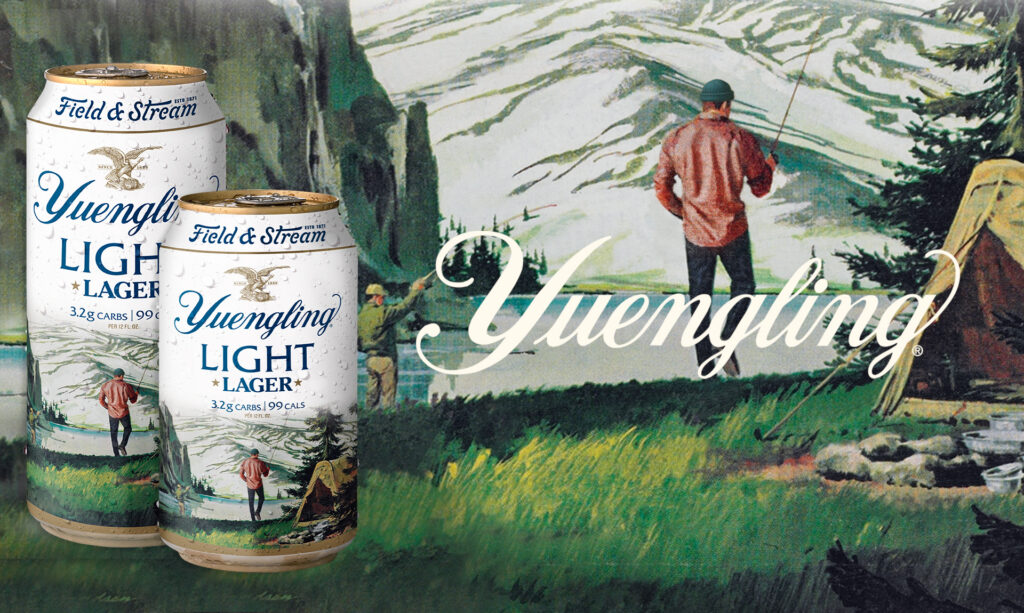
Limited-edition F&S Light Lager cans and packs, available in 30-states throughout 2026 - joining forces to celebrate America’s outdoor heritage.
PARTNER
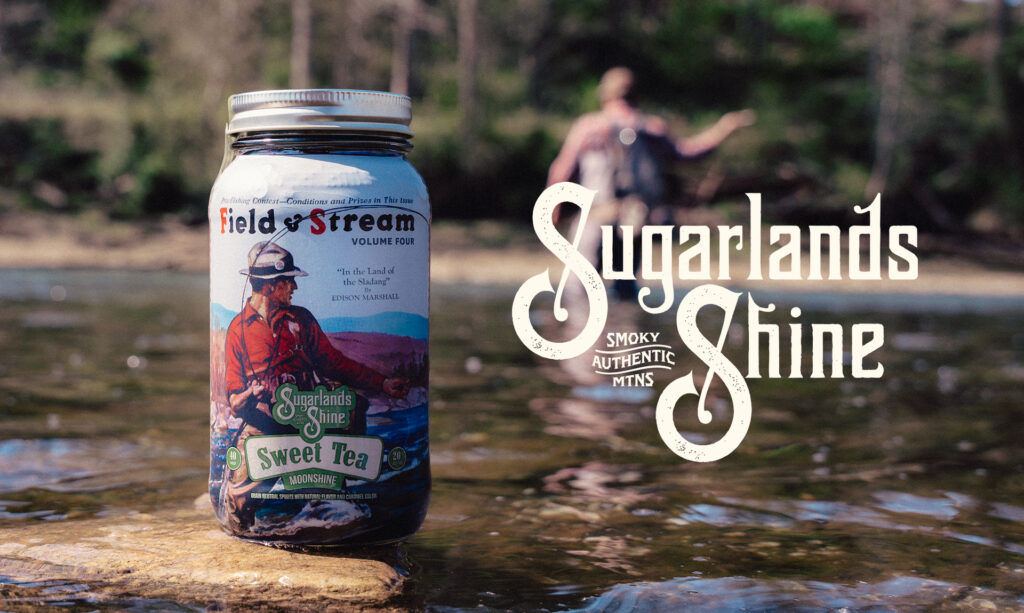
Join us April 18, 2026 at the Sugarlands Distillery in Gatlinburg, TN - for a distillery-wide scavenger hunt with Field & Stream gear and prizes.
PARTNER
Shop our latest upholstered and wood rustic-modern furniture collections in partnership with Best Home and Arista Wood.
PARTNER
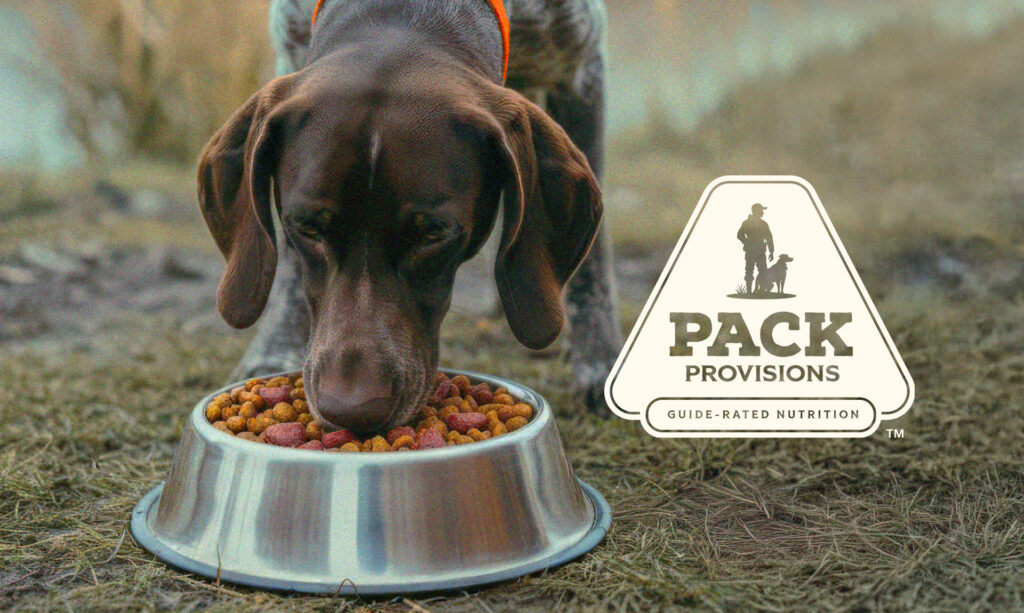
Exclusively at Tractor Supply, our new family of dog food products designed for outdoor enthusiasts and their canine companions.
PARTNER
Your new gateway to Big Sky and perfect home base for fishing, hunting, skiing, hiking and all things outdoors--located just 1 mile from downtown.
F&S SHOP
F&S YOUTUBE
He caught his TROPHY steelhead 👀
This reveal is WILD 🤯
He took fishing to new heights 🎣
A Giant Stops for a Drink
He Found a New Way to Fish 👀
His First Sockeye in Alaska 🎣
One Monter Catfish Later 🤯
Bare-Handed Catch 🤌
A two for one catch 🎣
F&S PODCASTS

Episode 29 – From College Football to Hunting Industry Success with JJ Gustafson
Search Results placeholder
Episode 20 – Master the Trico Hatch with Proven Dry Fly Fishing Tactics

Search Results placeholder

Eric Tansey | Rookie Cop Chaos, Combat Stories & Pig Latin
Eric Tansey is a former police officer, combat veteran, podcaster, and author of Pig Latin: A Seriously Funny True Story of a Former Police Officer. In this episode, Eric tells the unbelievable story of his first day as a rookie cop—only minutes into the job—when a routine call became absolute chaos.
We dive into the hilarious, outrageous, and sometimes dark real-life police stories that inspired Pig Latin, including what it was like learning law enforcement on one of Raleigh’s toughest beats. Eric shares how writing helped him process the job, how a collection of wild police stories became a book, and why Pig Latin is more than just another “cop book.”
But this conversation goes much deeper than rookie cop chaos.
Eric takes us back to his life as a Saint Augustine beach kid and deep-sea fishing deckhand, the moment he felt called to join the military, his combat deployment to Afghanistan, Green Beret selection, SERE school, leadership lessons, and the complicated transition from military service to police work. We also discuss his personal perspective on the war in Afghanistan and the U.S. withdrawal.
Eric also opens up about being wounded in the line of duty, trauma, faith, marriage, raising five kids, homeschooling, getting rid of screens, building self-reliant children, and learning to put fatherhood ahead of personal ambition. He shares why he recently rededicated his life to Christ and what becoming a spiritual leader in his home means to him.
We begin at Scuba Diving International, where Eric helped create a veteran-focused scuba-diving initiative designed to bring wounded veterans, combat veterans, first responders, Gold Star families, and their loved ones into a healing experience on the water.
This is one of the funniest and most honest conversations we’ve had: from combat stories and police academy pressure to fatherhood, faith, healing, outdoor living, and the wild true stories behind Pig Latin.
August 12, 2026
August 11, 2026
July 29, 2026
July 25, 2026
June 30, 2026
Search Results placeholder
HUNTING
Tracking can be the best way to find bull elk in the wilderness. And the most rewarding
If you want to put a true monster on your wall, you need to understand how big whitetails behave and then tweak your tactics accordingly. Here’s how
Bow season is right around the corner. Make sure you’re ready for success by checking off all the items on this preseason to-do list
These are the brightest flashlights for the field, from blood tracking to red lights
FISHING
Glide baits are more affordable than ever. Here’s how to start fishing these big lures for giant bass
From little brook trout to monster makos, the following fish all swam free—and still haunt the anglers who nearly caught them
Catch more trout by using the best tactics for different temperature ranges
Have a blast hooking up and splashing around on your local “sleeper” stream this spring and summer. Here’s how
GUNS
Beretta’s newest duck gun features a unique one-piece, all-polymer receiver. Here’s our shotgun expert’s full review
The author spent weeks testing the best new handguns for hunting, personal protection, and general outdoor use. Here are his top picks for 2026
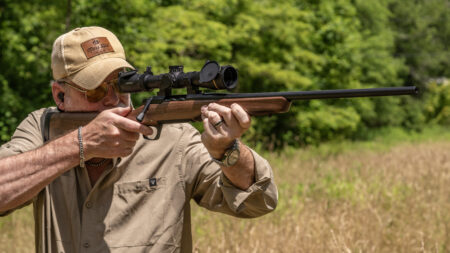
Ammo is expensive. So use these dry-fire drills to vastly improve your rifle shooting without ever firing a live round

Despite all the new whiz-bang distance rounds, the cartridge that gives you the most reach for your buck is over 100 years old

Weekly recaps of the latest outdoor news, hunting and fishing tips - plus exclusive offers, giveaways and more!
Company
Legal
Disclaimers
Articles may contain affiliate links that enable us to share in the revenue of any purchases made.
Registration on or use of this site constitutes acceptance of our Terms of Service.
© 2026 Field & Stream All rights reserved.