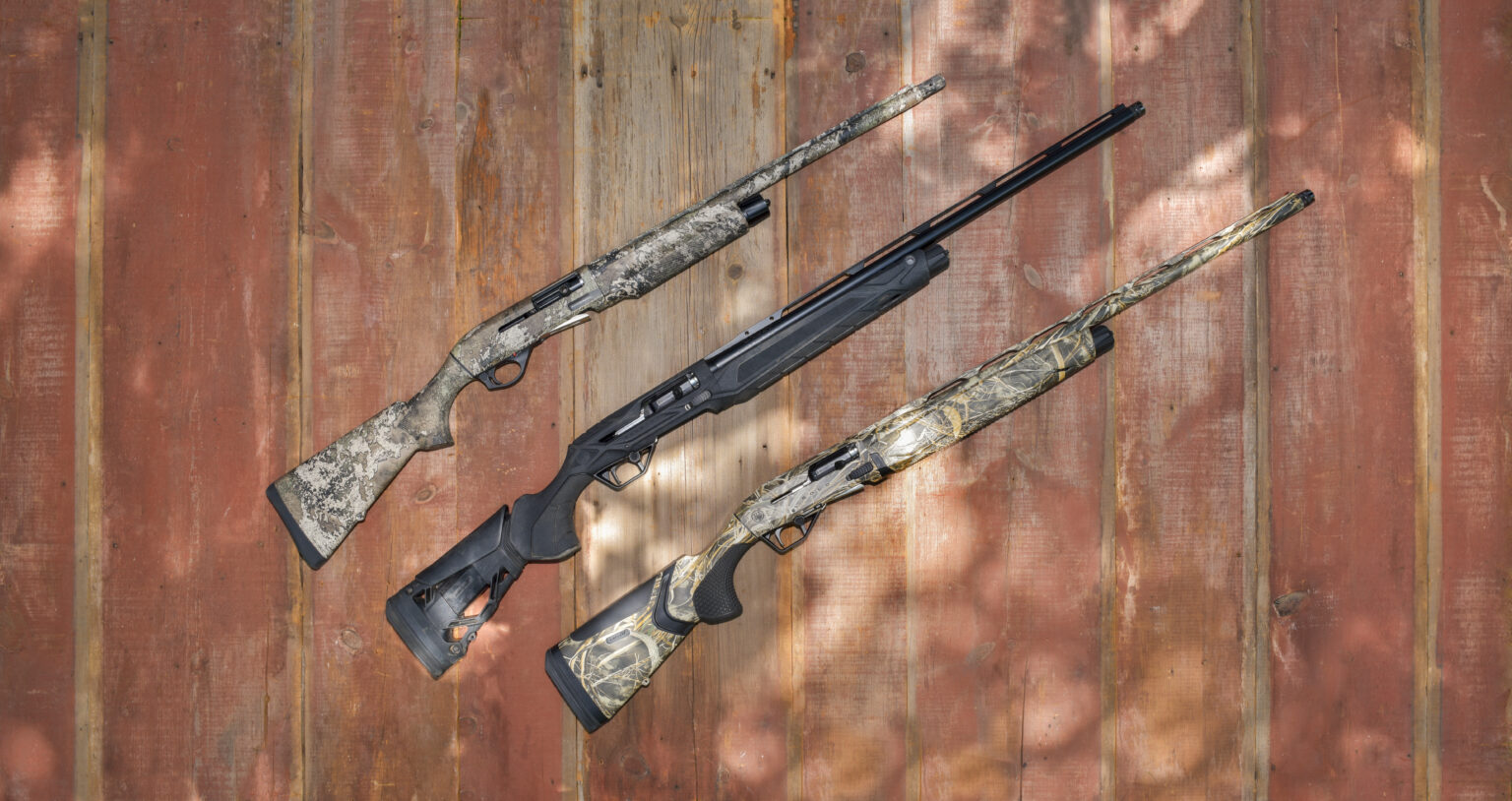
For hunters who want the best all-around semiauto, the Beretta AX800 took top honors with its all-polymer frame and weather resistance. For upland work, the Retay Upland Ultralight wins on weight. Target shooters should look at the Beretta 694 Black DLC, and waterfowl hunters at the Beretta A400 Solo. Budget-conscious buyers get the most for their money with the Spandau S2.
- Beretta AX800 earned Best Overall with a one-piece all-polymer frame built for maximum weather resistance in the field.
- Retay Upland Ultralight wins the upland category. Weight and carry balance are its defining advantages over heavier competitors.
- Spandau S2 12/21 offers the best value in the test and was the tester's personal pick for a turkey gun.
- Beretta AX800 is priced at a premium — buyers who don't need extreme weather resistance may find better value elsewhere in this test.
- Ten guns tested across seven scored categories; no single gun dominated every use case, so buyer intent should drive the decision.
We may earn revenue from the products available on this page and participate in affiliate programs. Learn more
The gun world’s big event of 2026 was Beretta’s 500th birthday. Beretta took the opportunity to prove they are still industry leaders, even at half a millennium old, by submitting three intriguing new shotguns to the 2026 shotgun test, all of which merited awards. Beretta wasn’t alone in tempting shotgunners to part with their money. Browning, Retay, Franchi, Benelli, Tristar, and Mossberg all sent guns, too. I found my next turkey gun among them (Spandau S2 12/21), along with some other smoothbore nuggets.
I checked all the guns for function. I measured trigger pulls, weight, and examined balance, ergonomics, fit and finish, all of which are quantifiable or semi-quantifiable traits. Shotguns are instinctive arms, too. You have to shoot them to see which guns are made to be shot, and which are just shotguns.
I tried all of them at skeet and 5-stand and was able to hunt with the AX800 and, late last year, a previous version of the Citori 825. I tested the guns with light target loads for reliability and heavy hunting loads to see how hard they kicked. I shot them for point of impact, patterned them, checked trigger pulls, and evaluated fit and finish. Finally, I tallied all the scores across seven categories to get a total score (out of 100) and made my picks for the best shotguns. Here they are, along with reviews for every gun I tested.
- Best Overall: Beretta AX800
- Best Upland Gun: Retay Upland Ultralight
- Best Target Gun: Beretta 694 Black DLC
- Best Waterfowl Gun: Beretta A400 Solo
- Best Value: Spandau S2 12/21
- Browning 825 Gran Field
- Mossberg International Maverick SA All-Purpose
- Tristar Upland Thumbhole Stock
- Franchi Affinity Upland Elite
- Benelli M2 ComforTech
Best Overall: Beretta AX800
best overall
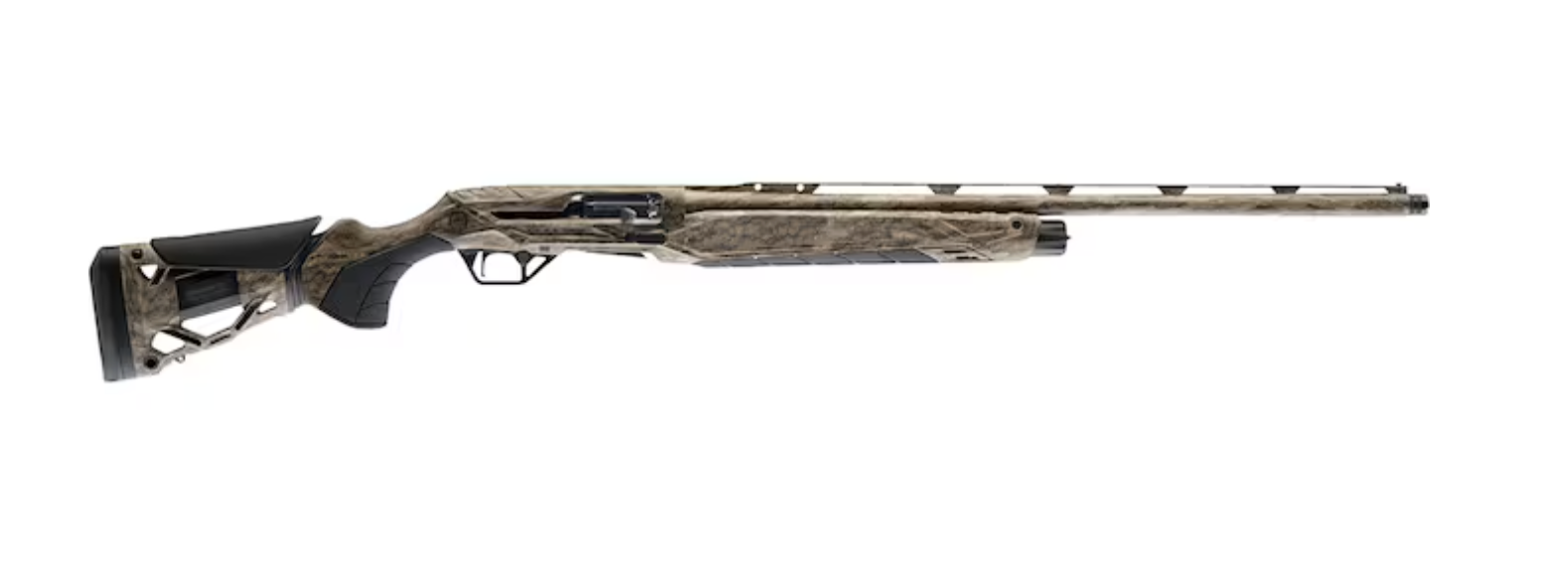
Beretta AX800
Score: 80
Why It Made the Cut: The AX800’s one-piece, all-polymer frame makes it the most weather-resistant waterfowl gun yet. It’s a shooter, too, soft-kicking and sure-pointing.
Specs
- Chambering: 3 ½-inch 12-gauge
- Length: 49.25 inches with 28-inch barrel
- Weight: 7.75 pounds with 28-inch barrel
- Barrel: Beretta Steelium Pro with raised rib, twin beads, Cerakote finish
- Action: Gas semiauto
- Trigger: 4 pounds
- Finish: Black, solid earth colors, Realtree, Mossy Oak and Optifade camos
- Price: $2499 in black, $2599 in camo and colors
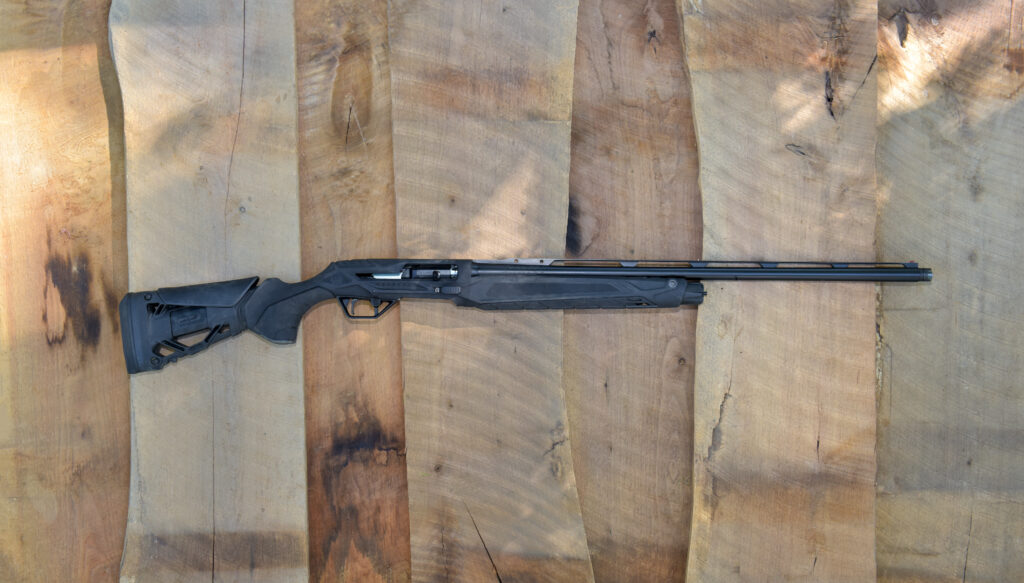
If Beretta resisted change, it would be the world’s oldest manufacturer of arquebus barrels, which were its first product. Instead, Beretta embraces new technologies and new designs, and thus, the AX800 looks like no waterfowl gun before it. Taking its inspiration from Beretta’s AR160 rifle made for the Italian military, the Beretta AX800 is built around an all-polymer stock and frame that make it more durable and easier to care for than alloy-framed guns. It also features a flat trigger borrowed from the tactical world that improves the feel of the 4-pound trigger. The stock, too, has a modular, military look with an interchangeable grip and cheekpiece. It includes the Kick-Off Pro recoil reducer, has standard sling swivel studs, and can accommodate tactical-style slings as well.
Inside, the AX800 has a gas system Beretta calls B-Link Pro, an improved version of the proven B-Link found in the A400 Xtreme. It also has—you should be detecting a “Pro” theme here—a Steelium Pro barrel, which features a very long forcing cone for reduced recoil and improved patterns. The barrel also has a stepped rib and a Cerakote finish to make it as weather-resistant as the rest of the gun.
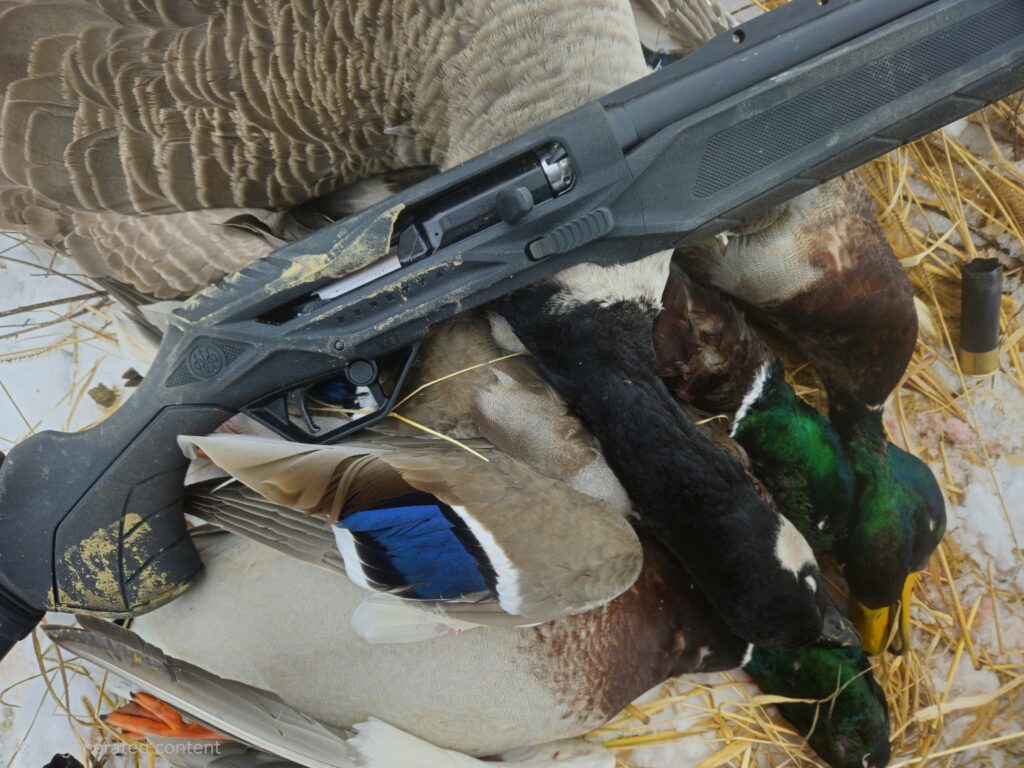
At the range, the AX800 shot flat for me once I adjusted the shims. It cycled heavy target loads while balking at lighter ones, which is not unusual for a 3 ½-inch gun. I found the heft and bulk of the gun was very similar to the feel of the A400 Xtreme, and it was easy to swing without over-controlling. I liked the stepped rib as well. The gun loads smoothly, with a milled-out port and a lifter that stays raised as you load the magazine, which totally eliminates the chance of the lifter snagging a glove or a thumb. The safety, bolt handle, and bolt release are easy to find and use. The bolt release is, if anything, too easy to find and use. It’s like a mousetrap that springs at the slightest bump.
I had a chance to hunt ducks with AX800 on a couple of occasions last season, and it performed admirably. This gun is pricey, and it’s made for one job, but if you are a devoted waterfowler, the AX800, our innovation and overall winner for 2026, is one of the most interesting new guns in a long time.
Best Upland Gun: Retay Upland Ultralight
best upland gun
Retay Upland Ultralight
Score: 77
Why It Made the Cut: At 5 pounds, 10 ounces, this 20-gauge inertia semiauto is easy to carry and not a heavy lift to pay for either.
Specs
- Length: 47.25″ with 26-inch barrel
- Weight: 5 pounds, 10 ounces with 26-inch barrel in 20-gauge
- Barrel: 24- or 26-inch barrel (tested), with vent rib, small red front bead, five flush Crio-pattern chokes, one extended IC choke
- Action: Inertia semiauto
- Trigger: 8 pounds
- Capacity: 2+1
- Finish: Two-tone gloss/matte black receiver, blued steel
- Stock: AA walnut and Airy recoil pad
- Chambering: 3-inch 12-, 20- and 28-gauge
- Price: $1049
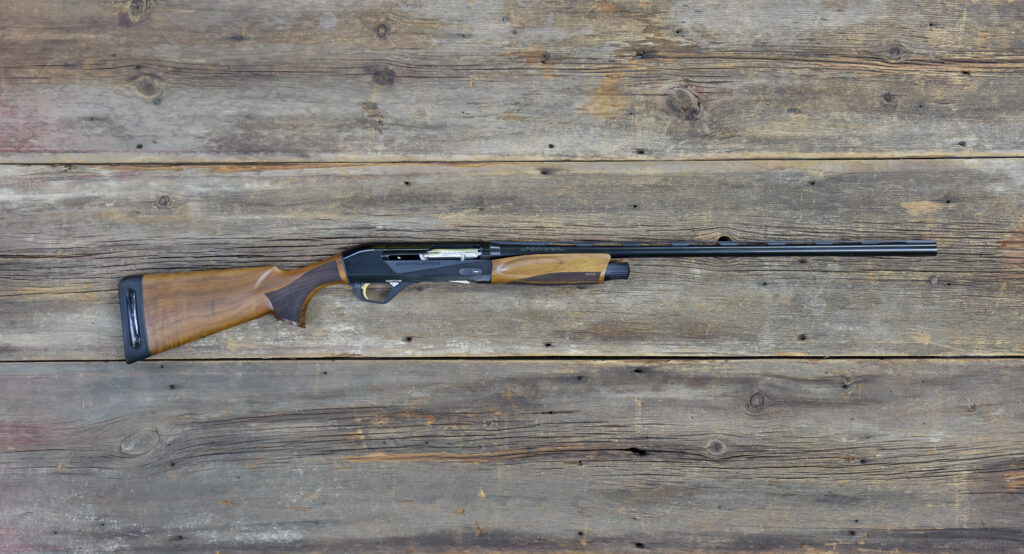
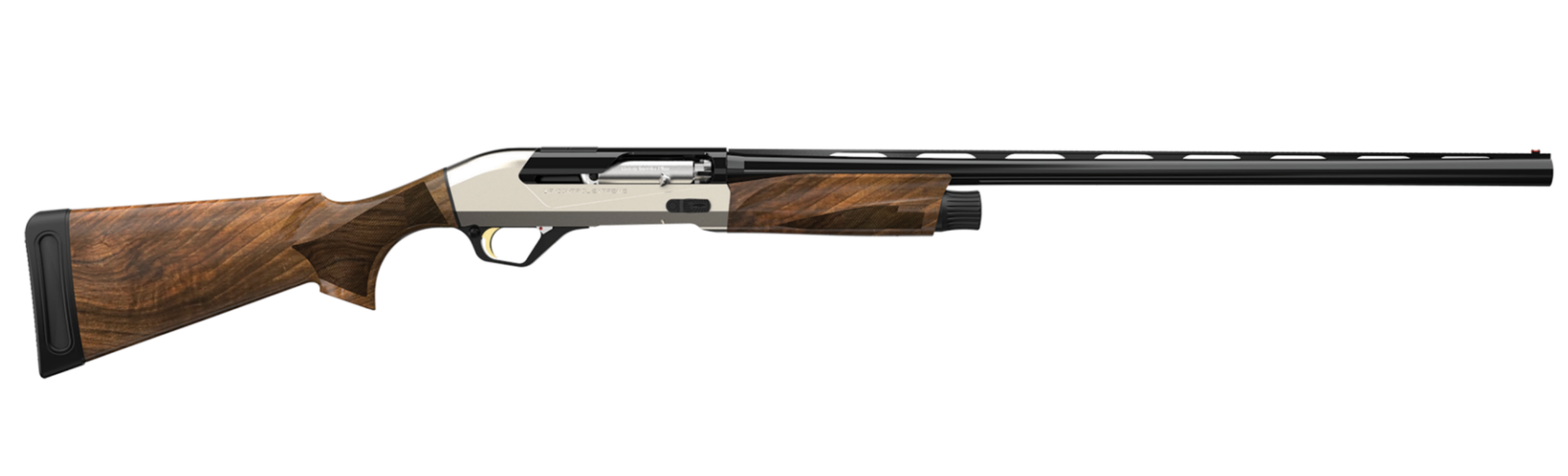
The Retay Upland Ultralight lives up to its name, weighing in at just 5 pounds, 10 ounces in 20-gauge with a 26-inch barrel. An extension of Retay’s ACE line, the gun comes in both square-backed and rounded receiver styles. The Ultralight saves weight with a shortened magazine tube, giving it a permanent 2+1 capacity. Available in 12-, 20- and 28-gauges with a 24- or 26-inch barrel, the Upland Ultralight is made to carry all day.
My test gun had a 26-inch barrel, and it handled closer shots well, as well as going-away and quartering birds. Long crossers on the skeet field were tougher. With a gun that light, you have to work to put the muzzle where it belongs in front of the bird, and shooting is more work and less instinctive. I also shot going-away birds from an oscillating trap, which replicated upland-hunting angles, and I did well with it. This is a gun for the hunter who follows the dogs for miles and shoots flushing birds going away.
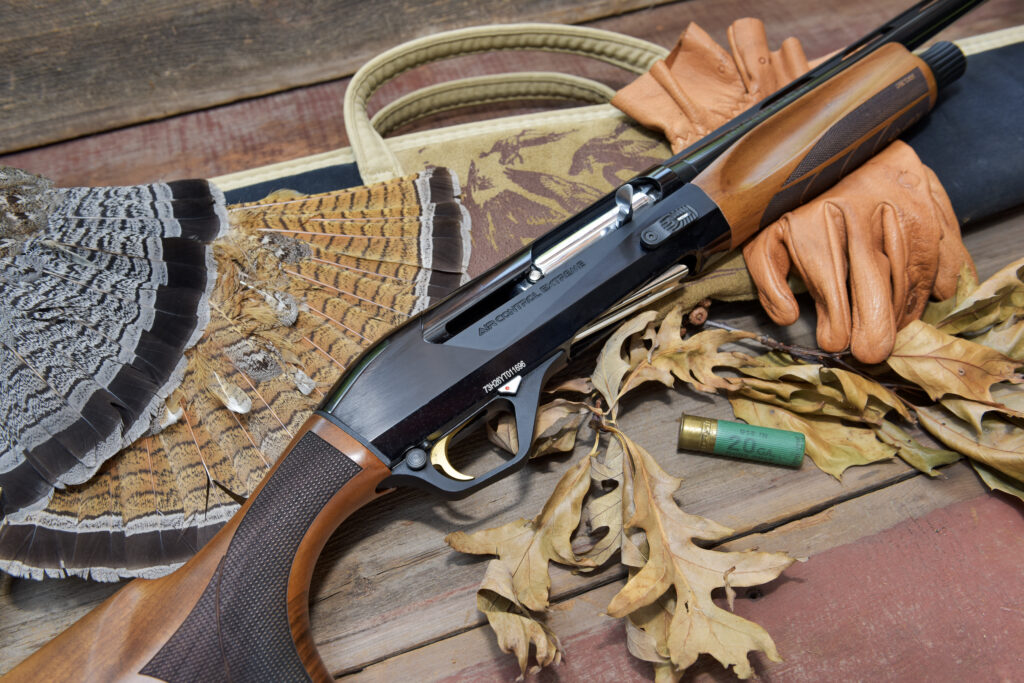
Function was perfect with factory ammo. The extended choke labeled “Improved Cylinder” measured closer to Modified, and it tore up clays and pattern paper with pellet clusters much tighter than you would expect. The gun also comes with five flush Crio-pattern chokes ranging from pure Cylinder to Full so you have six chokes to choose among for the ideal pattern. The walnut furniture has racy lines, understated but interesting figure in the wood, and Retay’s effective “Airy” recoil pad. It’s a good-looking, well-made gun, and it looks even better when you compare the price with its lightweight semiauto competition.
The only problem I had with the gun—other than difficulty hitting the long shots, which I expected—was the trigger, which broke at 8 pounds. Retay USA assured me they would bring any customer’s 8-pound trigger to within their 5-6 pound specs. This gun is made for a niche, but that niche is full of thick cover and startling flushes, so it’s one of the better niches. The ACE Upland Ultralight is almost ideal and very affordable, so it wins my “upland gun” award.
Best Target Shotgun: Beretta 694 Black DLC
best target shotgun
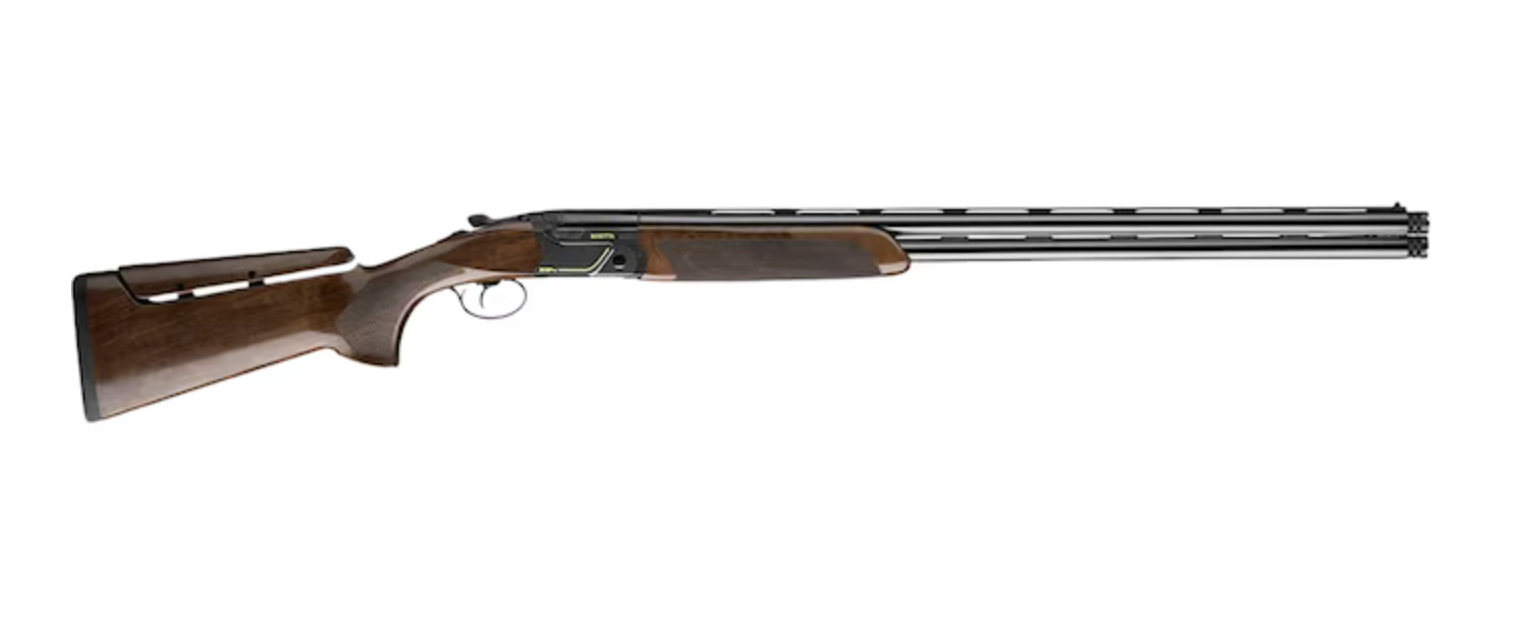
Beretta 694 Black DLC
Score: 80
Why It Made the Cut: The 694 Black DLC bridges the gap between everyday sporting guns and the high-end competition guns with a raft of competition-ready features. As the only target gun in the test, it won the category with ease. Don’t be fooled, though. This gun can take on all comers.
Specs
- Gauge: 3-inch 12-gauge
- Barrels: 30- and 32-inch (tested), extended Optima HP chokes
- Action: Break-action
- Trigger: Single selective, 4-pound pull
- Metal Finish: Diamond-Like Carbon (DLC) receiver and trigger, blued barrels
- Stock and Forearm: Grade 2.5 Walnut, pistol grip with RH palm-swell and adjustable comb, rounded forend
- LOP: 14.75 inches, extra, thicker pad included
- Weight: 8.75 pounds with 32-inch barrels (tested) and 4-ounce stock weights installed. Additional, optional barrel weights increase weight by 3 ounces.
- Price: $6599
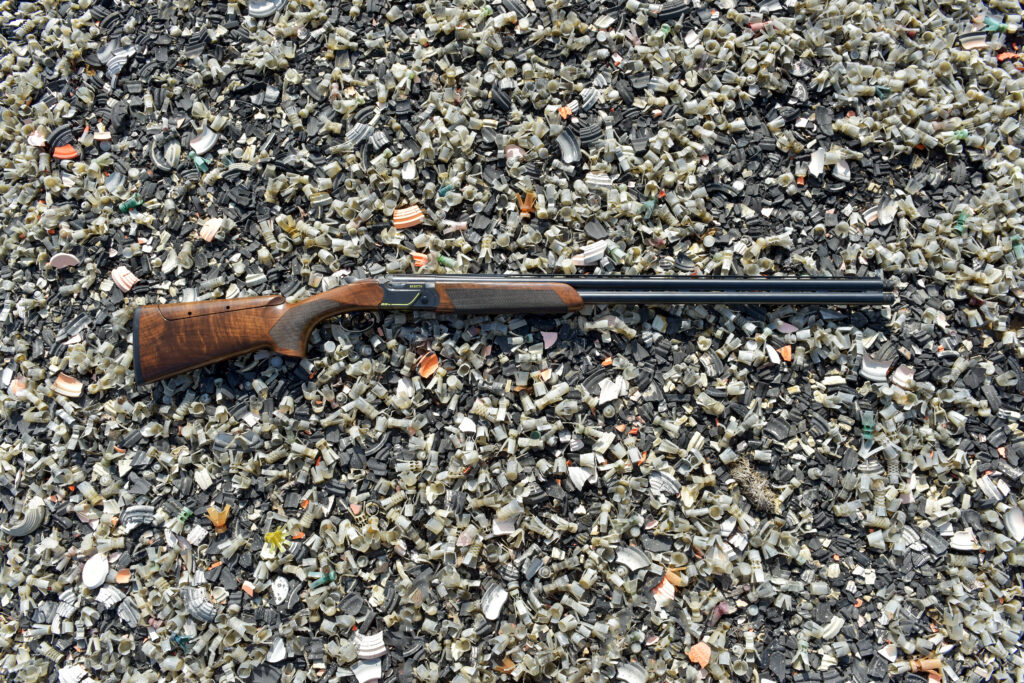
The Beretta 964 replaced the 682 a few years ago. Like its predecessor, it’s a competition gun that punches far above its price tag. For 2026, Beretta adds the 694 Black DLC to the 694 lineup. It features a corrosion-resistant coating on the receiver and trigger and improved internal barrel dimensions. Built on the familiar Beretta action, it is durable, and it has a low profile that makes it a natural pointer.
“DLC” stands for “diamond-like carbon,” and it’s a corrosion- and abrasion-resistant treatment that will look like new forever. Beretta did choose a distinctive, and by “distinctive” I mean “hideous,” acid green accent color. The barrels are blued, the grade 2.5 walnut furniture is well-figured, well-finished, and properly hefty for a target gun.

The barrels are bored to Beretta’s “Steelium Pro” internal dimensions, with an extra-long forcing cone for improved patterns and lower recoil. This an upgrade from the standard 694. The rib has a tramline, which I had not used before. It’s a recess that runs down the middle of the rib, creating a shadow that helps your eye flow to the target. That’s the idea anyway, and after shooting it, I could imagine getting rid of the front bead and shooting this gun tramline-only.
The gun shot a 50/50 point of impact. The barrels were properly regulated to shoot to the same spot, and the gun was smooth and soft-kicking. Beretta’s B-Fast adjustable comb was easy to use. I dropped it all the way down, and the gun fit me just right. My test gun came with removable stock weights installed, and you can buy a barrel weight kit to adjust the gun’s balance and weight. Based on how it balanced for me, and since I favor muzzle-heaviness, I would spring for a weight kit. You may or may not. All in all, this gun is a shooter, and one that could take you a long way in the target sports, or just make you the envy of your local gun club.
Best Waterfowl Gun: Beretta A400 Solo
best waterfowl gun
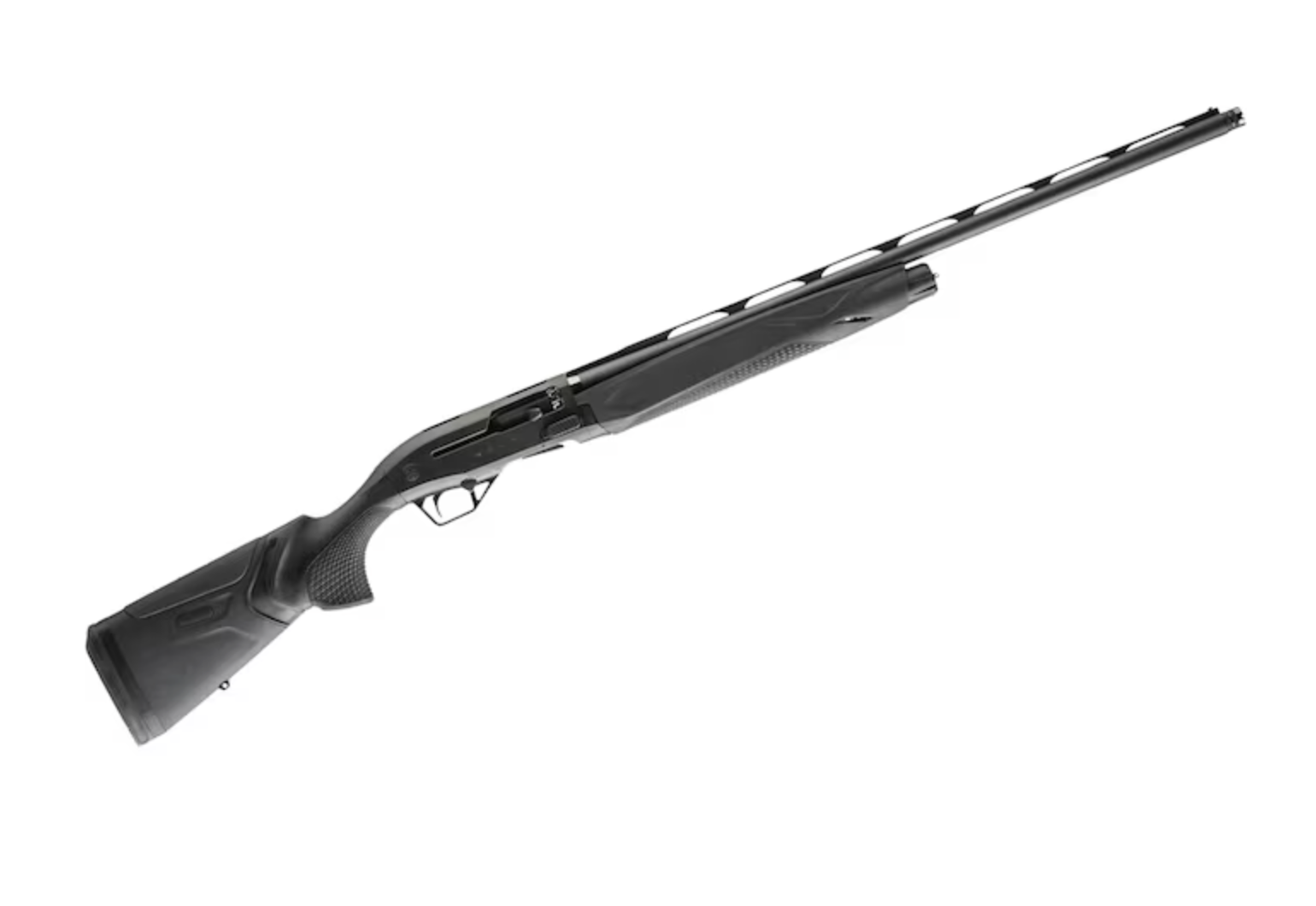
Beretta A400 Solo
Score: 78
Why It Made the Cut: As the price of flagship semiautos climbs to $2000 or more, some of us want to spend less but still get top-of-the-line gun tech. If you can live without 3 ½-inch shells, the A400 gives you all the goodies found on the A400 Xtreme for $450 less.
Specs
- Length: 49.5″ with 28-inch barrels
- Weight: 7 pounds, 12 ounces with 28-inch barrels in 12-gauge
- Barrel: 28-inch barrel (tested), with stepped rib, front and middle bead, extended chokes
- Action: Gas semiauto
- Trigger: 4 pounds, 12 ounces
- Capacity: 2+1
- Finish: Max-7 camo (tested) walnut, black and other patterns available
- Stock: Synthetic, with hard plastic modular grip and rubber cheekpiece plus Kick-Off recoil reducer
- Chambering: 3-inch 12-gauge
- Price: $1549 (black), $1649 camo
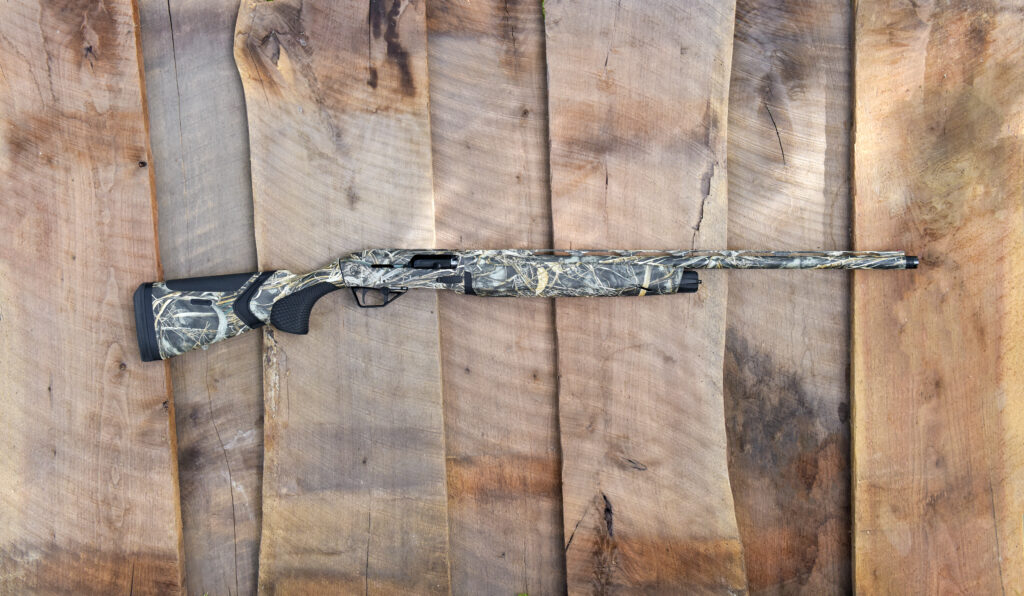
A 3-inch A400, the Solo looks very similar to the A400 Xtreme. It has the same stepped rib, the same in-stock Kick-Off recoil reducer, and, overall, the familiar, slightly bulky lines and feel. It also borrows what I suspect to be some common parts from the new AX800. It has the AX800’s flat trigger, angular trigger guard, and modular plastic grip that can be swapped for others not yet available. The receiver is grooved, drilled, and tapped for optics.
Inside, the Beretta A400 Solo has the same B-Link gas-operated action as the A400. It will run practically forever between cleanings. When you do clean it, you’ll find it comes apart easily. The action spring goes around the magazine tube, where it is easy to inspect, clean, and, after 10,000 rounds or so, change out.
Under recoil, the shock-absorber that Beretta calls “Kick-Off” compresses and bounces back, absorbing much of the gun’s recoil. The barrel has a stepped rib, front and mid-beads, and it comes with extended choke tubes. Shims and optional spacers let you alter the stock dimensions somewhat. The gun also features the magazine cap of the A400, which unlocks with a push and a half turn, and it is conveniently bright green inside so you can find it when you drop it in the weeds.
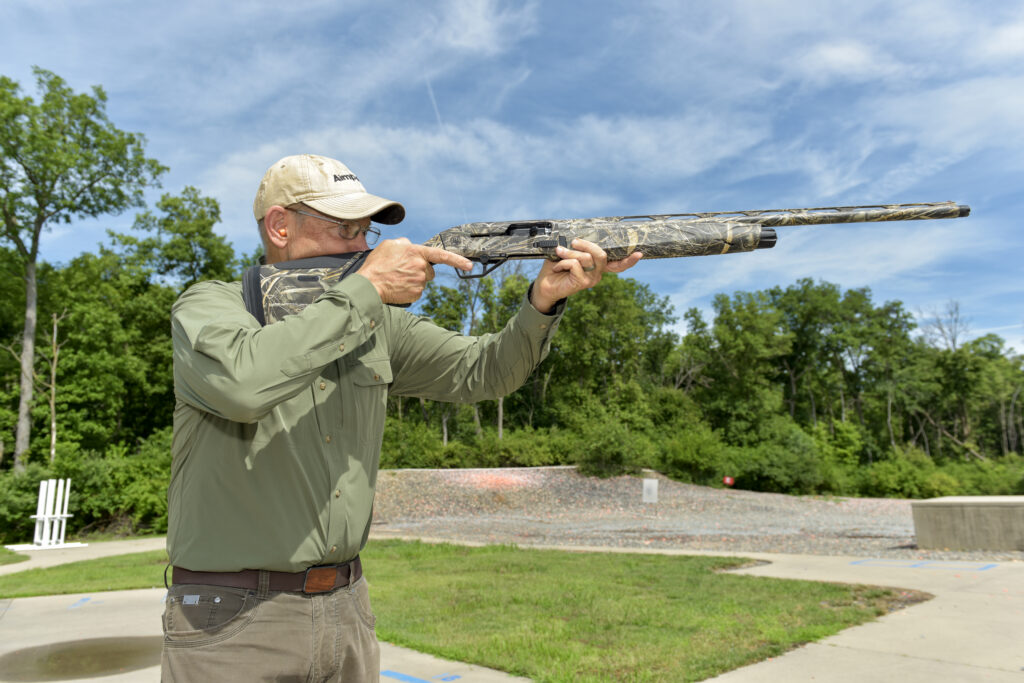
The flat trigger, which breaks at 4 ¾ pounds, feels lighter because you have greater leverage with a flat trigger than you do with a curved trigger. My test gun shot 1 ¼ inches high at 25 yards with the twin beads lined up. That would put it roughly two inches high at 40 yards, which is about perfect. After patterning the gun with Migra’s 24/7 “Funeral Pack” 2x4s with a Modified choke at 40 yards, I counted 80 percent of the pellets in the 30-inch circle, which would be good for Full choke, much less a Modified. The Steelium barrel seems to pattern very efficiently.
Through rounds of low-gun skeet, I found the gun to be very soft-shooting, and it had the familiar A400 Xtreme feel: almost 8 pounds and bulky. The trend is to ever-lighter duck guns, I know, but heavy guns are easy to shoot and softer on your shoulder, too. The weight and hand-filling feel agree with me.
I liked loading this gun, too. It has a relaxed magazine spring, a cut-out port, and a lifter that stays raised as you thumb shells into the magazine, so it never snags you. Some people with small hands and shorter fingers may not like the safety in front of the trigger guard, but I found it big and easy to press.
The gun cycled target loads easily out of the box, right down to Federal 7/8-ounce, 1200 fps Top Gun ammo. Bottom line, it gives you everything the A400 Xtreme does, plus a flat trigger, minus half an inch of chamber you won’t miss, and minus $450 in price. How can you beat that?
Best Value: Spandau S2 12/21
best value
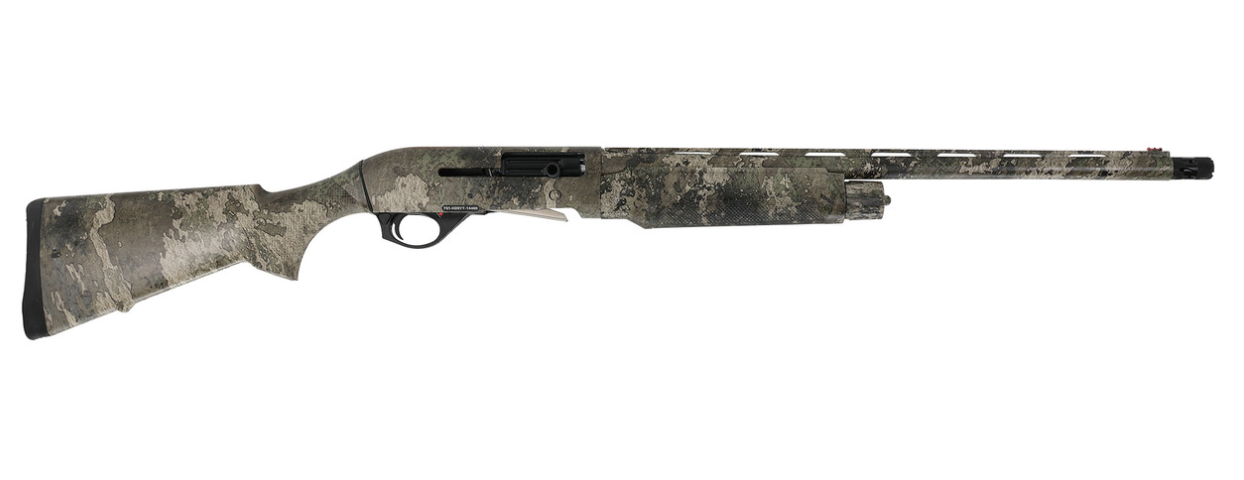
Spandau S2 12/21
Score: 72
Why It Made the Cut: A clone of the pre-2023 Benelli M2, the S2 12/21 looks good, works well, shoots straight, takes Benelli accessories, and doesn’t cost much money.
Specs
- Chambering: 3-inch 12-gauge
- Length: 43 inches with 21-inch barrel and extended choke
- Weight: 6 pounds, 12 ounces
- Barrel: 21 inches, orange fiber-optic front bead, brass mid-bead, stepped rib, three flush chokes and one Carlson’s Bone Collector turkey choke
- Capacity: 3+1
- Action: Inertia semiauto
- Trigger: 6.5 pounds
- Finish: True Timber Strata hydrodip
- Price: $631
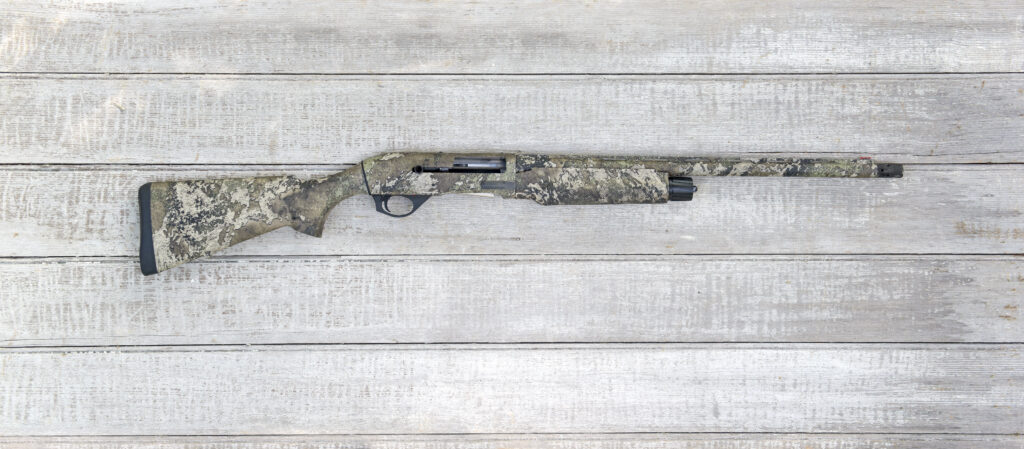
Having been vaguely aware of the Spandau S2 for a while, I considered it just one of the many Turkish inertia semiautos floating around. I thought I should get one and see if my preconceived notions were wrong. And they were very wrong.
The newest version of the S2, the 12/21 turkey gun, impressed me right away with its fit and finish, and a Tru Timber Strata pattern that looked great on this gun. I liked its pre-2023 M2 lines—it accepts aftermarket M2 parts—and I got very excited when I realized there was virtually no way to bump this gun out of battery, as you could with the old M2. I liked the gun’s weight and compact size, with its bobbed 21-inch barrel. Sure, the trigger was lackluster at 6 ½-pounds, but that’s better than a lot of Turkish guns, and what were you expecting for $600 anyway? The only actively bad feature of this gun is the spring-steel tab that serves as a bolt closer. It works, but it also falls out when you take the gun apart, and it doesn’t give you much more advantage over the very stiff round bolt release button it covers. While I am on record as hating slammer buttons, I’ll probably order one for this gun.
The gun came with three flush-mounted choke tubes, and one extended Carlson’s Bone Collector choke. With the turkey choke and Winchester’s 2 ½-ounce Long Beard TSS loads of 9 shot, the gun did 280-290 pellets in a 10-inch circle at 40 yards. Could you get even more hits if you experimented with chokes and loads? Probably. Is there any sensible reason to try? No. Almost 300 holes in 10 inches at 40 yards is overkill by any standards. But, at the low price of this gun, you could afford to splurge on a different choke if you really wanted to.
Browning 825 Gran Field
Browning 825 Gran Field
Score: 80
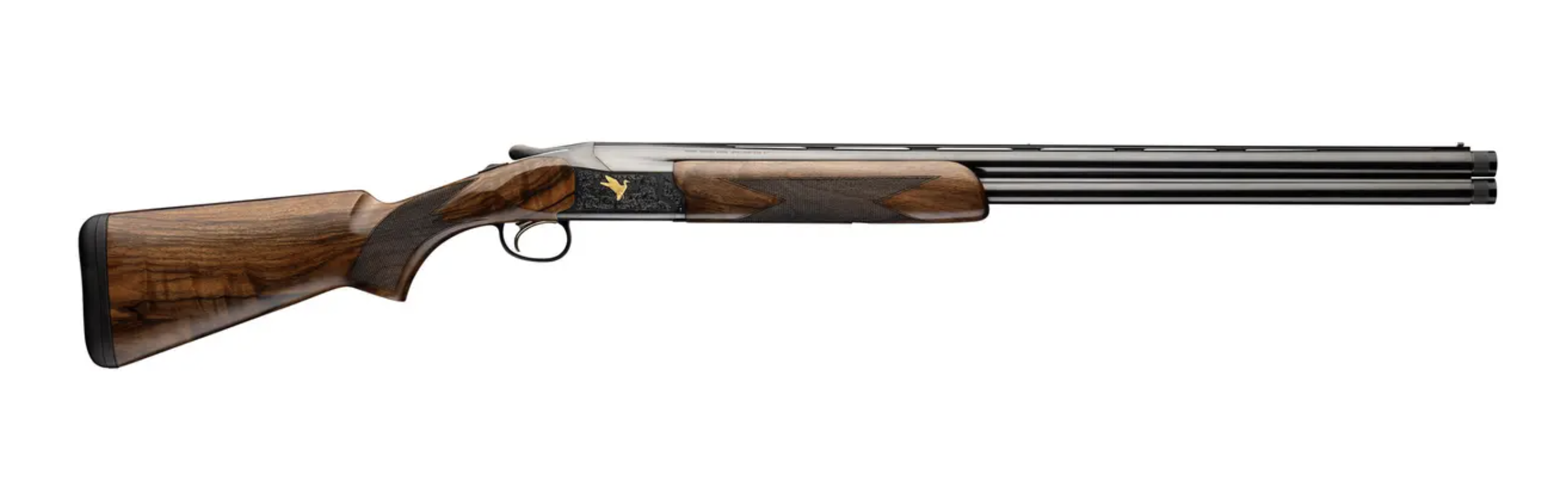
Why It Made the Cut: If there were an award for “prettiest gun,” this 825 would win, because, frankly, it’s the only decorated gun in the test. But it is a genuinely well-finished gun. And, along with being a good value in a good-looking O/U, the Gran Field is a shooter.
Specs
- Length: 45.75″ with 28-inch barrels
- Weight: 7 pounds, 4 ounces with 28-inch barrels in 12-gauge
- Barrel: 26-, 28–inch blued barrels with vent rib, front and middle white beads, three extended Invector DS II choke tubes
- Action: Break-action O/U
- Trigger: 4 pounds
- Capacity: 2
- Finish: Satin wood/blued steel, engraved, gold-inlaid receiver
- Stock: Grade III walnut
- Chambering: 3-inch 12-gauge
- Price: $4139.99
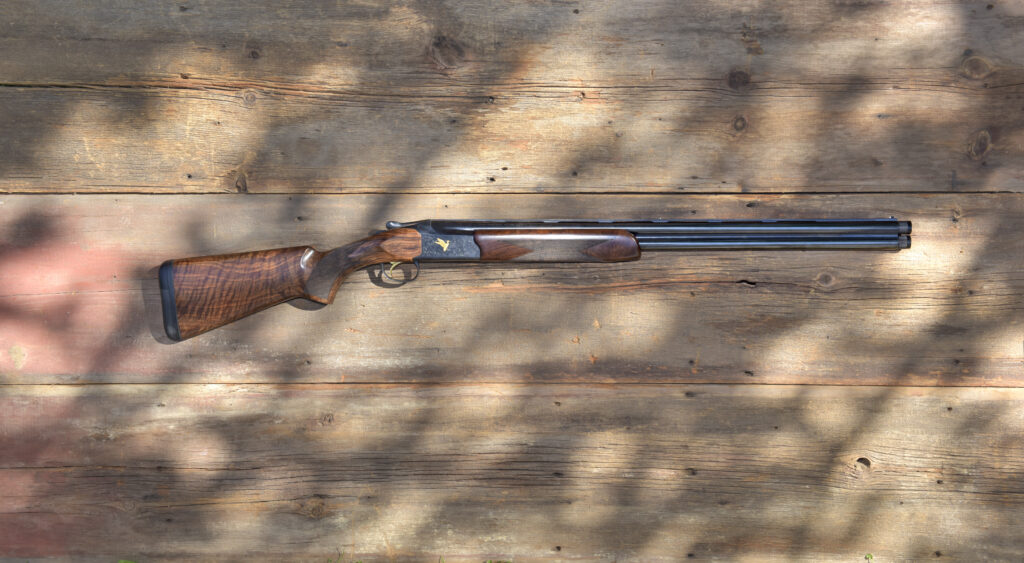
Last year the then-new Citori 825 was my favorite gun of the test. A light makeover of its predecessor, the 725, the 825 had a couple of cosmetic changes for the better, and an improved trigger. For 2026, Browning’s 825 had many line extensions, including the Gran Field, an engraved, gold-inlaid gun with Grade III wood. Since it is the same gun underneath the fancy wood and decoration, it did not surprise me at all that the Gran Field shot a very user-friendly 60/40 POI, with both barrels well regulated to shoot to the same spot. It patterned Remington Nitro Pheasant Magnums at 80 percent through its Full choke tube, which is outstanding. The gun functioned perfectly, as I would expect from a Browning. Since this gun is a line extension, it got an N/A in “innovation,” but that overlooks the fact that the 725, and now the 825, improve upon the original Citori in terms of weight, profile, and handling.
What sets the Gran Field apart from the base model is its decoration. The blued receiver has scroll engraving and gold inlaid birds. It’s all well executed and, unlike so much engraving done on low and mid-grade guns these days, the decoration is cut deep enough so you can actually see it from more than a foot or two away. The wood is very pretty, dark, and nicely satin-finished. I looked hard for imperfections in fit and finish and couldn’t find any. You get all this for $750 above the price of the standard field gun, and I’d say it was money well spent if you want a pretty hunting gun.
Mossberg International Maverick SA All-Purpose
Mossberg International Maverick SA All-Purpose
Score: 70
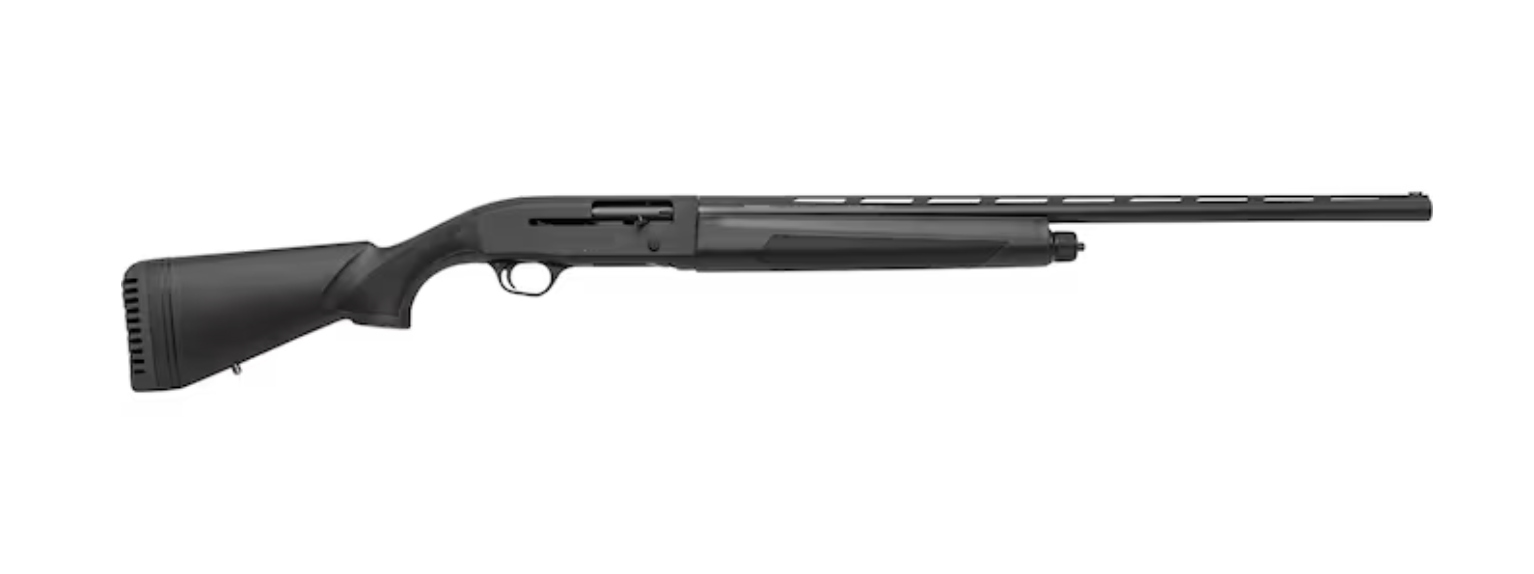
Why it Made the Cut: An affordable gas gun with a stock that easily adjusts for length, the Maverick SA is a soft shooter, too.
Specs
- Length: 48.5″ with all stock spacers installed.
- Weight: 6 pounds, 12 ounces
- Barrel: 28-inch barrel with vent rib, orange fiber-optic bead, and five chokes.
- Action: Gas semiautomatic
- Trigger: 7 pounds, 12 ounces
- Capacity: 5+1
- Finish: Matte metal (walnut and blued steel also available)
- Stock: Synthetic with swivel studs and adjustable length of pull
- Chambering: 3-inch 12-gauge
- Price: $623 in black (tested)
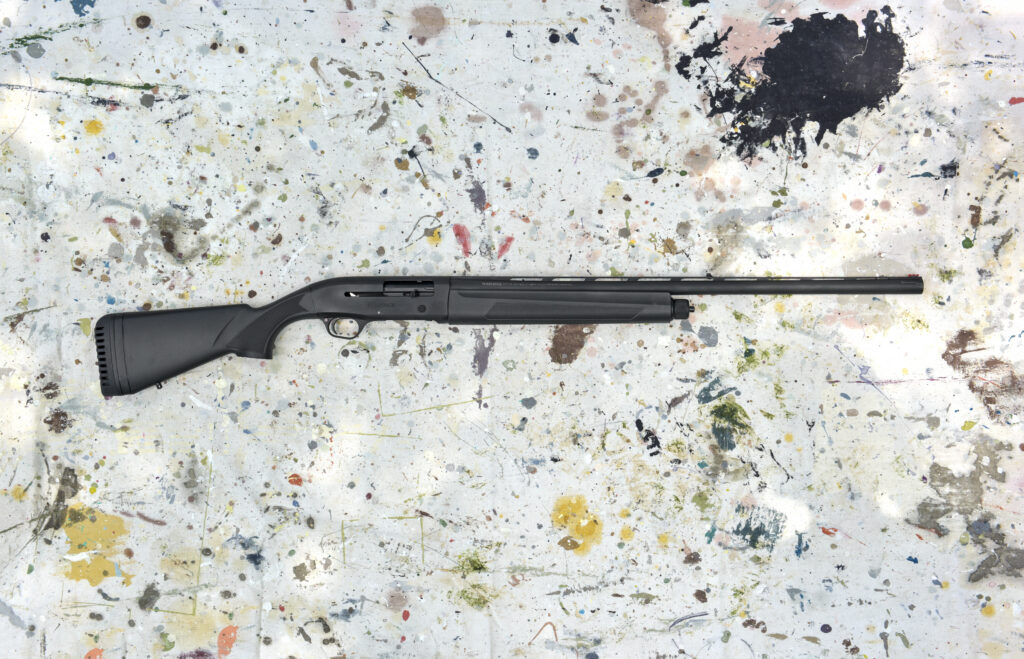
The Maverick SA All-Purpose adds a value-priced 12-gauge semiauto to the Mossberg lineup. Maverick has been Mossberg’s budget brand for almost 40 years, ever since the debut of the Maverick Model 88 pump in 1988. This new Turkish-made 3-inch 12-gauge Maverick gas gun stays true to the Maverick brand. Built on a proven design, this Maverick gun starts at $623 even as the price of Mossberg’s 940 semiautos climbs to $1000 and more. The SA requires interchangeable gas pistons to cycle its full range of loads, from heavy target loads to the heaviest 3-inch magnums. This gun also features the same spacer-adjustable length of pull seen on the 940s.
The gun shot to a 50/50 point of impact, patterned well, and was soft-shooting. I did experience several failures until I broke the gun in with a box of heavy duck loads. After that, I experienced just one light primer strike during the rest of the testing. As long as I used the heavier target loads the gun preferred, the gun functioned well.
My test gun showed no interest in cycling one-ounce loads even after break-in, which may bother me more than it matters to most of you. On the other hand, the heavy trigger may bother you, but doesn’t bother me a bit. Those shortcomings aside, the SA All-Purpose semiauto is well worth a look if you want a gas gun at a pump gun price, and the adjustable stock lets it fit a wide variety of people.
Tristar Upland Thumbhole Stock
Tristar Upland Thumbhole Stock
Score: 62
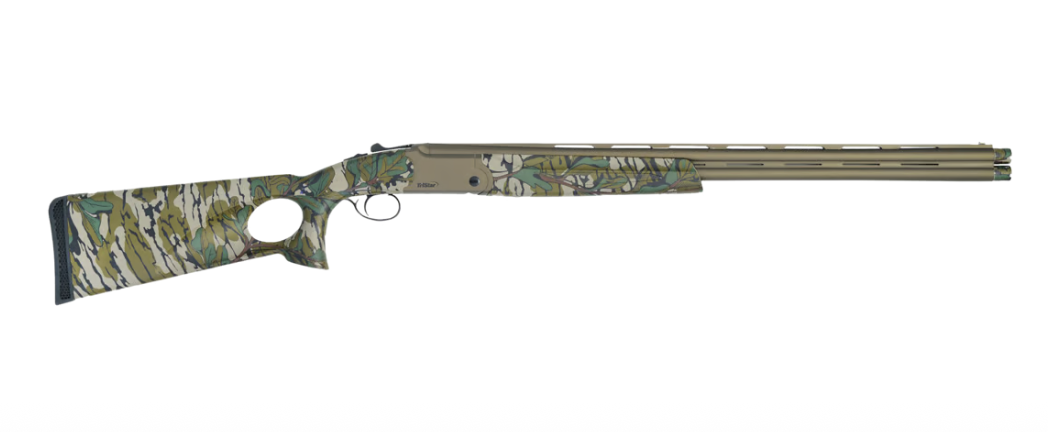
Why It Made the Cut: An intriguing idea for turkey hunters, the Upland Thumbhole offers quick choice of two chokes and/or loads for turkeys near and far, and the thumbhole stock adds comfort to long waits.
Specs
- Length: 44 inches with 26-inch barrels
- Weight: 6 pounds, 1 ounce
- Barrel: 26-inch vent- and mid-rib barrels, green fiber-optic bead, extractors, five extended chokes
- Action: Break-action side-by-side
- Trigger: 7 pounds
- Capacity: 2
- Finish: Bronze Cerakote metal, Mossy Oak Greenleaf furniture and chokes
- Stock: Camo synthetic thumbhole
- Chambering: 3-inch 20-gauge only
- Price: $879
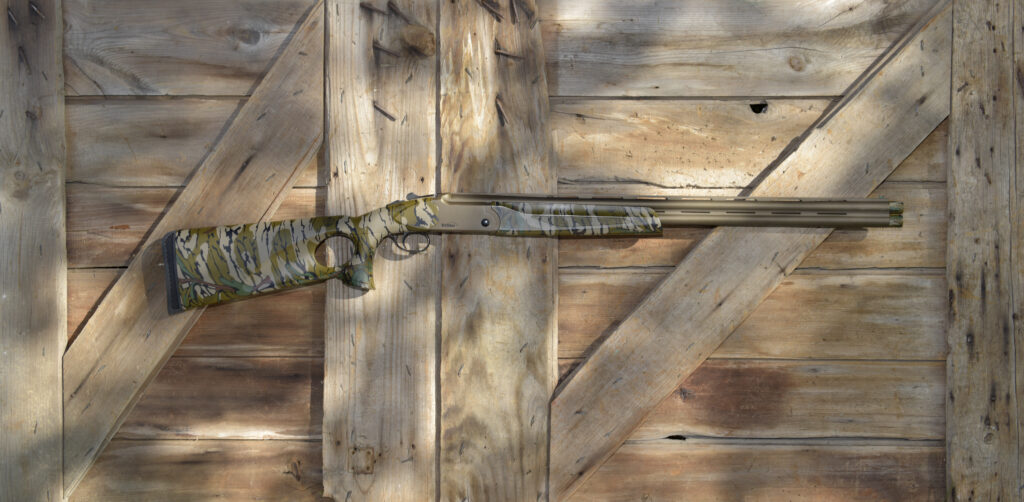
The TriStar Upland Hunter Thumbhole has a barrel selector/safety, a mechanical trigger, and extractors in place of ejectors. The 26-inch barrels have a vent rib, mid-rib, and a bronze Cerakote finish. The gun comes with five choke tubes, ranging from Cylinder to Full. The tubes are dipped in Mossy Oak Greenleaf to match the furniture. As its name suggests, the gun has a synthetic thumbhole stock. It weighs an ounce over six pounds. The stock and forend have textured grip panels.
I like the idea behind it. Two instantly selectable chokes, one for close-range and one for long-range, solve the dilemma of how to best take advantage of TSS in the woods. But my test gun’s poor barrel regulation—the top and bottom barrels were inches apart at 25 yards—would make field use difficult, and mounting a red dot on a rib would then require you to sight in for one barrel or the other, or try to split the difference. None of those choices would let you make effective use of the gun’s two barrels. In other ways, this gun is a good fit for the woods. It’s light and compact. If you found an Upland Hunter Thumbhole that shot both barrels to the same place, you would want to grab it. Buy an aftermarket turkey choke for one barrel, put an IC in the other. Add swivel studs, and it would be an intriguing choice in a turkey gun.
Franchi Affinity Upland Elite
Franchi Affinity Upland Elite
Score: 74
Why It Made the Cut: Light and reliable, the Affinity Upland Elite gives you easily portable 12-gauge firepower for bigger birds and longer shots in the uplands. The 20 does the same for grouse and quail.
Specs
- Chambering: 3-inch 12-gauge (tested), 3-inch 20-gauge
- Length: 49 inches with 28-inch barrel
- Weight: 6 pounds, 10 ounces, 12-gauge with 28-inch barrel
- Barrel: 28 inches (12-gauge), 26 inches, 20-gauge; stepped rib, green-orange fiber-optic bead, three extended chokes (Close, Mid-, Long-range), plus flush-mounted IC
- Capacity: 4+1
- Action: Inertia semiauto
- Trigger: 5 pounds
- Finish: Matte walnut, grayed Cerakote metal
- Price: $1579
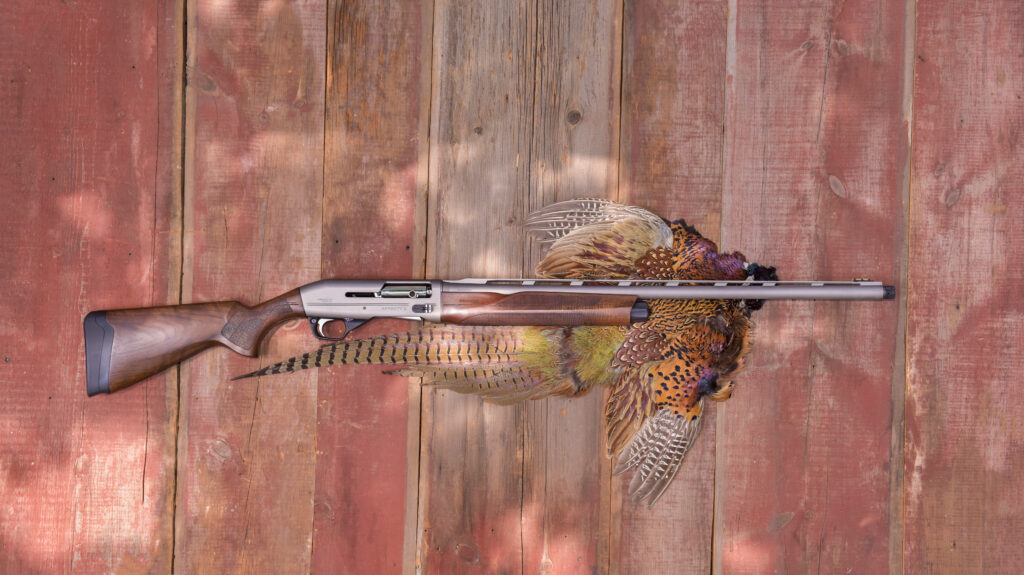
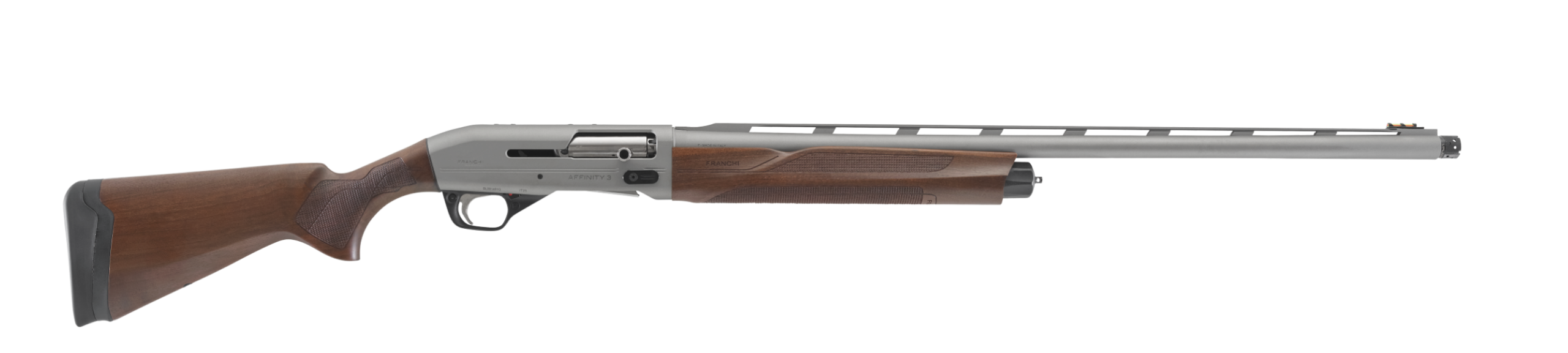
Taking advantage of the inherent light weight of inertia guns, Franchi bills the Affinity Upland Elite as an “upland elite” and, at 6 pounds, 10 ounces in a 12-gauge with a 28-inch barrel, it would be hard to beat as a gun for the wide-open spaces of pheasant, hun, and prairie grouse country. The matte-finished walnut furniture has a laser-cut scaling pattern in place of checkering, plus accent lines and the name “Franchi” on the forend. The pistol-grip stock bears Franchi’s signature “TSA” recoil pad. The barrel and alloy receiver have a Cerakote finish Franchi calls “gumetal,” but I would say it was more “French Gray.” The barrel has a stepped rib and a long, orange-and-green Truglo bead. The receiver has a shiny silver extended charging handle, and a black slammer button to close the bolt. The trigger guard is plastic, with a safety button at the rear.
My test gun shot to 50/50 point of impact, patterned well at upland distances of 25 yards, and functioned out of the box with ammo as light as 1160 fps, 1-ounce target loads. The TSA butt pad effectively softens recoil, too, as I noticed on the skeet field, where the gun acquitted itself very well. The safety button is small, and the orange and green fiber-optic bid is hideous, but aftermarket replacements are available for both. I liked this gun a lot, and, while I rarely take semiautos into the uplands, I would carry this one.
Benelli M2 ComforTech

Benelli M2 ComforTech
Score: 75
Why It Made the Cut: Always a great pick in a bulletproof, easy-care inertia gun, the M2 gets its second upgrade in three years with a Progressive Comfort recoil reducer.
Specs
- Length: 49 inches with 28-inch barrel
- Weight: 7.1 pounds (12 gauge with 28-inch barrel)
- Barrels: 26 and 28 (tested) inches
- Action: Inertia semiautomatic
- Trigger:5 pounds, 8 ounces
- Capacity: 3 +1
- Finish: Black or camo (Max 7 tested)
- Stock: synthetic, standard and compact models available
- Chambering: 3-inch 12 and 3-inch 20-gauge
- Price: $1699 black, $1829 camo
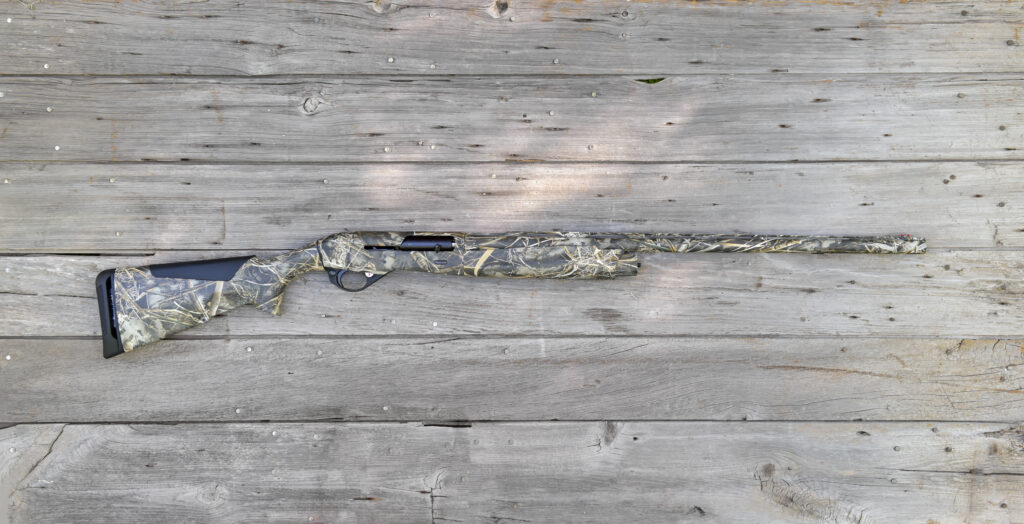
Benelli adds Progressive Comfort to the M2 for 2026. My test gun has dipped in Max-7 and, like any Benelli, was well-fit and finished. It’s trim and handles well. The bolt handle and bolt-release button of the made-over M2 are perfect examples of how controls should be enlarged. They are easy to use, but never in the way, and you never shut the bolt accidentally when you want it to stay open. The round safety button is big and never a problem to find, either. Some overlook the ease of loading this gun, but not me, thanks to a two-piece shell latch and softer mag-tube spring. To me, that’s the most important cold-weather ergonomic feature of a pump or semiauto.
The new addition to the M2 line, “Progressive Comfort,” absorbs shock by flexing plastic fingers inside the stock—think interlocking comb-teeth—to mitigate recoil. It does work, although I didn’t find the reduction to be dramatic. It also has a soft comb insert. The M2 already has an effective buttpad, so the new system helps overcome one drawback of inertia guns: their lack of recoil mitigation compared to gas guns.
I put the gun in a rest and tested it for point of impact. At 20 yards, it centered the pattern 4 inches high, so you could reasonably expect it to shoot 8 inches high at 40 yards. Benellis often shoot high, a fact that bothers me right up until I start pulling the trigger, at which time, I can hit with them just fine. With the Modified Crio-Choke in place, the M2 delivered excellent 73 percent patterns with Migra’s “24/7”1 ¼ ounce 2×4 stacked loads. That’s solid Full choke performance. At the Skeet range, the gun cycled target loads perfectly, including light 1-ounce, 1160 fps B&P Competition One ammo. While the Progressive Comfort recoil reducer did work, I felt like it could do more. Still, it’s an improvement, and if you take a gun that’s already great and make it a little better, that’s still good.
Why Trust Us
For more than 125 years, Field & Stream has been providing readers with honest and authentic coverage of outdoor gear. Our writers and editors eat, sleep, and breathe the outdoors, and that passion comes through in our product reviews. You can count on F&S to keep you up to date on the best new gear. And when we write about a product—whether it’s a bass lure or a backpack—we cover the good and the bad, so you know exactly what to expect before you decide to make a purchase.

All new! 1871 Club Field Trips