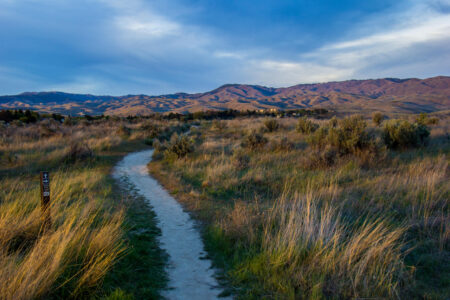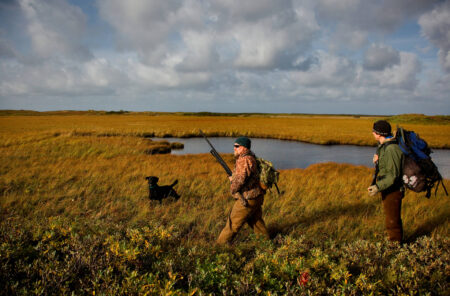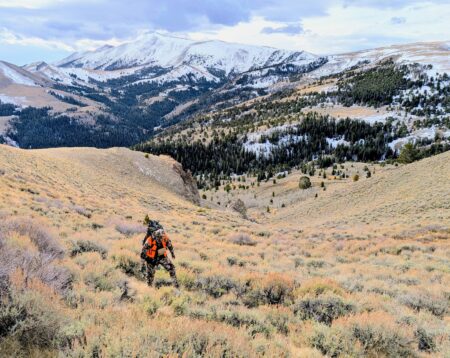
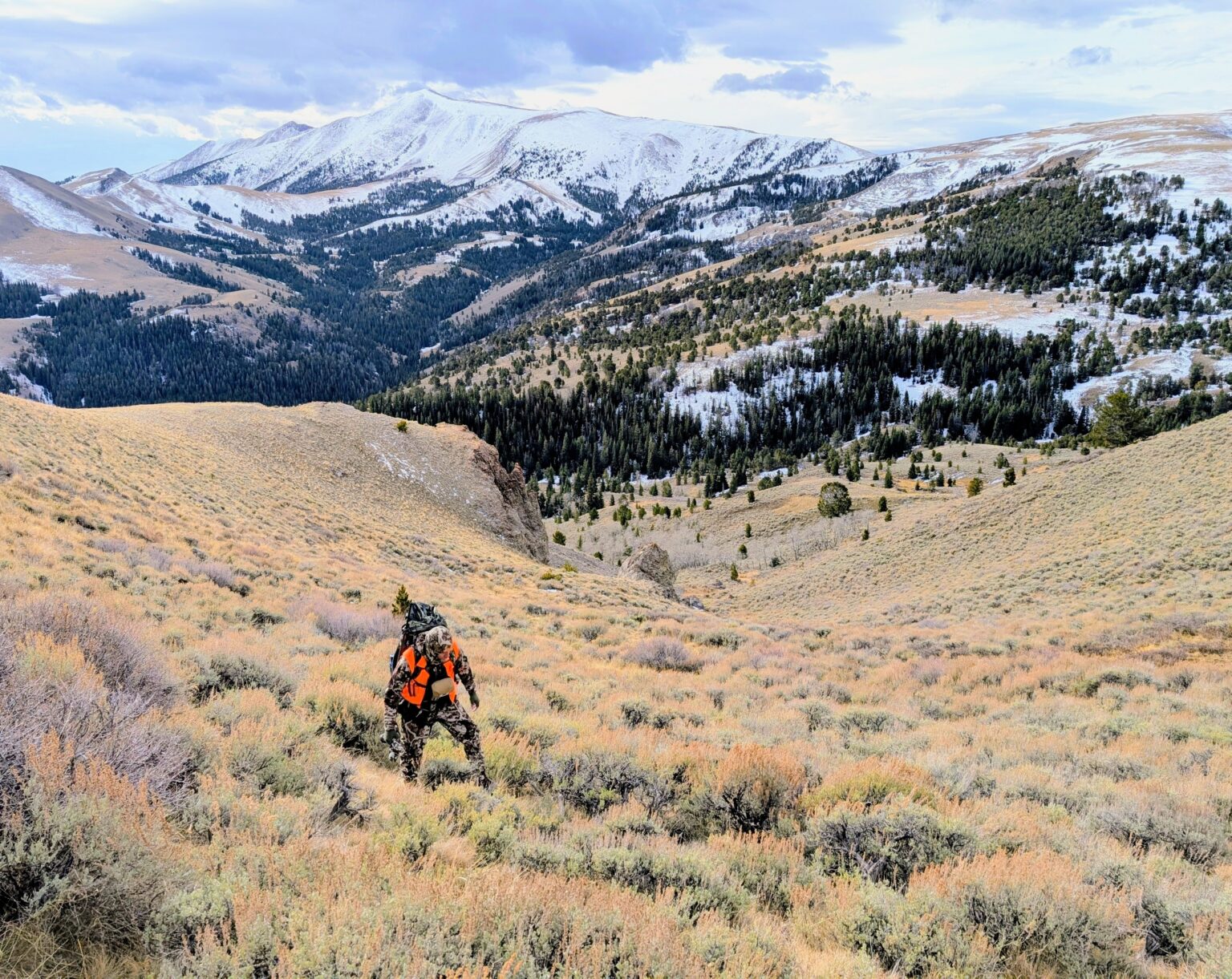
On Thursday, May 21, the US House of Representatives will consider a resolution that would officially eliminate the Roadless Rule. Established in 2001, the Roadless Rule protects some 58 million acres of public land with the cleanest water and the best hunting and fishing habitat in the National Forest system. It does so by blocking new road development that would facilitate commercial-scale timber harvest and other industrial activities. The rule is already under attack by the Trump Administration’s Department of Agriculture (USDA) despite its widespread support with conservation-based hunting and angling groups and public land advocates across the country.
Anti-Public Land Sponsor
HR 7695 was first introduced in February by Wyoming Republican Harriet Hageman. Hageman has a long history of pushing back against federal safeguards for America’s public lands. She was one of the few outspoken defenders of Utah Sen. Mike Lee’s amendment to the Big Beautiful Bill that would have sold off more than 3.5 million acres of US Forest Service and Bureau of Land Management lands. In an op-ed published in the Cowboy State Daily last June, Hageman said Lee’s attempted public land sell-off was an appropriate way to address housing needs in the West. She’s also the author of the “No Net Gains in Federal Lands Act,” which would prohibit the federal government from increasing the total acreage of its overall land base in any given fiscal year.
In addition to wiping out the Roadless Rule, Hageman’s bill would prohibit the Forest Service from restoring any similar Roadless Area protections during future administrations. According to Backcountry Hunters & Anglers, Hageman’s prohibition on future Roadless Rule protections would be more permanent than the USDA’s current push to rescind the rule through bureaucratic manuevers. It may also eliminate the need for the USDA to issue a formal rescission of the rule altogether, if it passes.
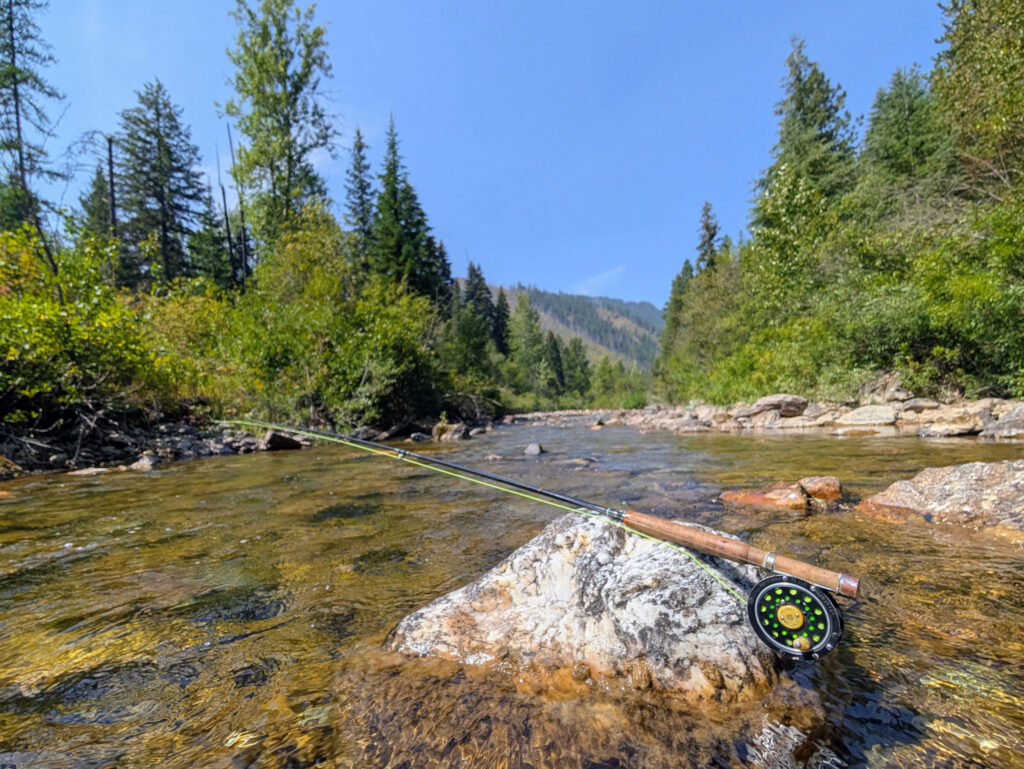
What Happens in Roadless Areas?
Hageman claims that her bill is designed to help the Forest Service fight fire. But according to Backcountry Hunters and Anglers President and CEO Ryan Callaghan, the Roadless Rule doesn’t impede fire suppression or even proactive forest management, like timber thinning. “Things like mechanical thinning in the urban interface, building roads or establishing roads where needed for habitat improvement and fuels reduction, these are already provided for in the current Roadless Rule,” Callaghan tells F&S. “It’s clear that fiscal responsibility—which was part of the foundation of the Roadless Rule—is not en vogue here. Hageman’s bill mandates that ‘We the People’ pay for more roads, when much of the work specified doesn’t even require [roads] with the implementation of modern forestry equipment.”
According to Trout Unlimited, there are already roughly 370,000 miles of roads in America’s National Forests. That road network more than doubles the overall length of the US Highway System. There are also many miles of roads within Roadless Areas that hunters and anglers use for access via motorized vehicles.
Trout Unlimited CEO Chris Wood worked for the Forest Service in the late 1990s and into the early 2000s. He helped craft the Roadless Rule under the leadership of USFS Chief Mike Dombeck. “I think this bill is a reflection of a general misunderstanding,” Wood tells Field & Stream. “There’s this sense that there hasn’t been a lot of hazardous fuels treatment work in Roadless Areas, and that’s just not accurate. In Wyoming, for example, where one-third of the National Forest land is Roadless, and a full one-third of active hazardous-fuels management has taken place on Roadless. So it’s completely proportionate.”
Hunting and Fishing in Roadless Areas
In a recent report, Trout Unlimited spelled out the benefits that intact Roadless Areas provide for public land hunters and anglers. “In Montana, 93 percent of roadless areas contain elk summer range, while in Utah more than 99 percent are designated crucial or substantial mule deer habitat,” TU wrote in a recent press release about the report. “Intact landscapes also improve hunting opportunities: elk harvest density in highly roadless areas can be up to ten times higher than in heavily roaded landscapes.”
Roadless areas are also the best-remaining strongholds for native cold-water species, like trout. “Roadless areas are essential, irreplaceable refuges for native trout and salmon across the United States,” the TU Roadless report states. “Research conducted by the U.S. Forest Service shows that roadless areas are nearly twice as likely to have properly functioning watersheds compared to roaded areas.”
What’s Next for Roadless?
Hageman’s bill will go before the the House Committee on Natural Resources at 10 a.m. EST on Thursday, May 21. Co-sponsors include Troy Downing (R-MT), Celeste Malloy (R-UT), Tom Tiffany (R-WI), and Pete Stauber (R-MN). It’s worth noting that Malloy was one of the primary sponsors of the House version of the proposed public-land sell-off in the Big Beautiful Bill last summer. And Stauber was the architect of the HJ Res. 140, which just stripped protections from the Boundary Waters in northern Minnesota using the Congressional Review Act.
Read Next: Bill Would Transfer 140,000 Acres of National Forest Land in Louisiana
Wood will be testifying before the Committee in support of the Roadless Rule. If you’d like to weigh in on Hageman’s proposal, call the Capitol Switchboard (202-224-3121) and ask to speak to your elected leaders in the House. BHA also has an action alert center that you can access here.
EXCITING NEWS
Membership Now Includes