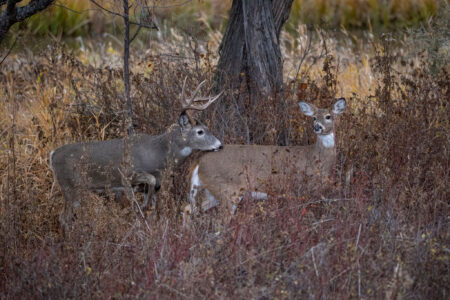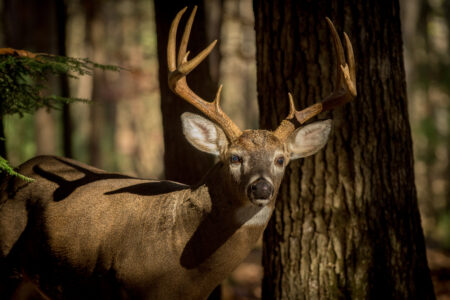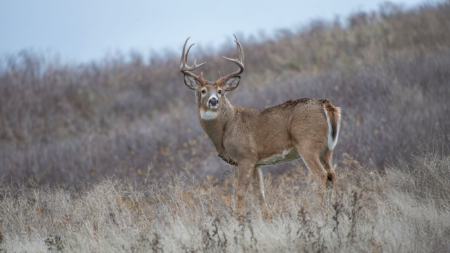

November 21st may be the most-hunted day across North America in 2026, as whitetail hunters in the biggest deer hunting states have open gun seasons, and it’s a Saturday during the rut. On thing is for sure: Millions of hunters will be hitting the woods on this day for a chance to surprise and unsuspecting buck. Meanwhile, they should give well-positioned hunters a chance to intercept deer bouncing from open timber to hidden thickets and everywhere in between. So, dial in that rifle or slug gun for our first firearm-focused Best day of the Whitetail Rut. Below are two high-odds plans that will help get you ready for some action faster than your grandad’s Winchester repeater.
Rut Phase: Late Breeding

The majority of does have been bred across the whitetail’s range at this point, but not all. Bucks are now searching for those last stragglers, increasing their range to fringe and even new areas to find them. These “zombie bucks,” running on fumes after weeks of searching all-out for mates, can be seen wandering the landscape at any time of day now. Also, areas with buck-to-doe ratios skewed towards does give hunters an extended chance, as this dynamic prolongs the rut due to the sheer volume of does in the breeding pool. And yes, the influx of hunters in the woods should provide an extra incentive for bucks to be on the move, too, as they flee the increased human presence for their most secluded haunts. For savvy hunters, these are important clues about where and how to hunt for your best chance of intercepting one of those grizzled old bucks who have dodged arrows and bullets thus far.
Related: The 7 Best Days of the 2026 Whitetail Rut
November 21 Morning Hunt Plan: Invade a Thicket
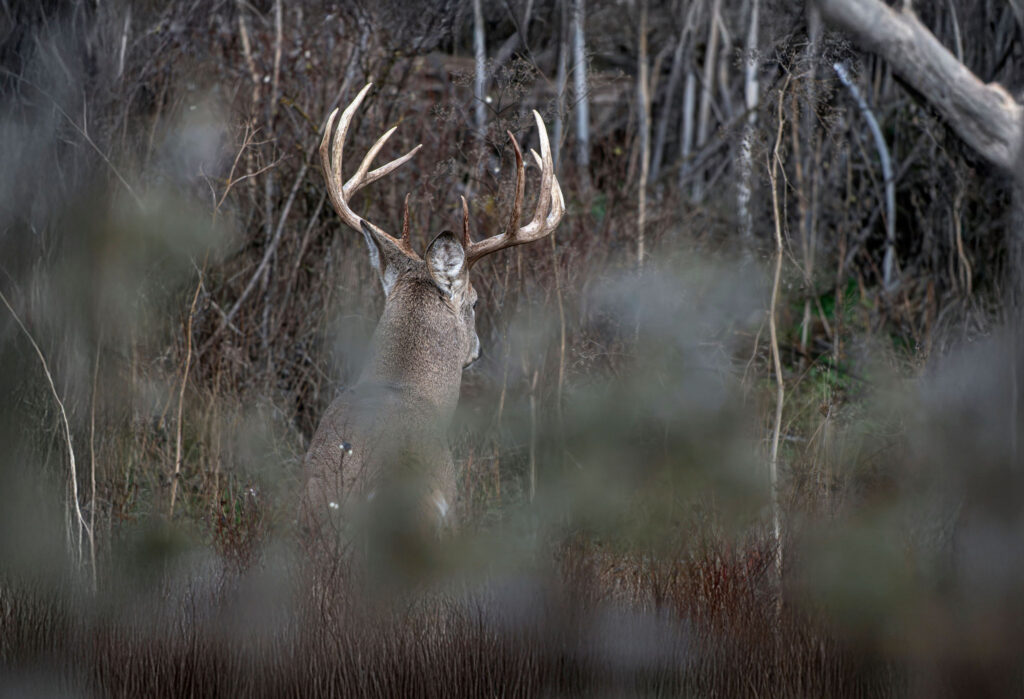
One way to gauge hunting pressure at this point in the season is to consider what well-known land specialist Tony LaPratt calls the “doe clock,” in your area. If does are arriving at food sources later and later in the evening, this indicates high pressure and reveals how close to security cover you need to hunt to catch late-rut activity. If does are on a normal schedule, hunt deer patterns as usual. If not, it’s now time to think like a doe who has been running into human traffic in all the usual places and beat her to where she feels most protected—those nasty, impenetrable thickets.
Thick tangles, swampy humps, isolated brushy sanctuaries are your go-to spots now. On public land, the best plan is to get in early and let the droves of hunters push deer to these safe zones and right to you. This is when it’s crucial to beat the other hunters out and be willing to go where they won’t. Take a boat, strap on waders, or crawl, if you must, to access these hidden whitetail havens. A precise-shooting gun that you are confident can thread the needle at moment’s notice shines in these circumstances, where bucks weave in and out of small openings searching for and chasing does, requiring quick target acquisition and exact shots.
If a thicket isn’t accessible, or if you don’t want to invade your set-aside sanctuary on private land, finding escape routes from neighboring properties leading to isolated cover will pay big dividends. This is a tactic my father and uncles used exclusively in the 60s and 70s with great success in Northern Michigan, and it’s just as valid today during a majority of gun seasons around the country. Map where pressure will be, do some homework to find likely entry routes of other hunters, and set up along the quickest and most secure routes deer can take to bedding thickets.
If you’re in a mixed ag region, standing corn becomes a magnet for deer activity in late November. At this time of year, most corn has been harvested, leaving minimal cover and amplifying the drawing power of these last patches of security. A well brushed-in popup blind and a short-barreled slug gun or straight-wall rifle are smart choices. Standing corn allows for screened access along the side of the rows, but be ready. Quick flurries of hooves, hide, and antlers are common.
And on windy days, stalking your way through a corn field is a great way to sneak up on a bedded buck that just won’t budge. Keep the wind in your face or crossing to your weak side, step across rows looking toward your strong side-shot. Complete a zig-zag pattern every 25 yards or so as you cross rows and weave through the field.
November 21 Evening Hunt Plan: Be a Long-Range Sniper

Yes, the rut is about bucks chasing does, but food comes into play more and more as it lingers on. Temperatures begin to dip in many regions, causing both does and bucks to increasingly seek high-energy foods. And again, where the does will be, the bucks will also be, still with breeding at top of mind. Combining both is a dynamite choice for an evening sit.
As a general rule, think greens for warmer days (clover, chicory, tops of turnips, and radishes), and when it’s cold, think grains (cut corn, beans, wheat, oats, brassica bulbs, or even red oak acorns). But even better, let the deer tell you what they currently prefer. Hopefully you’ve kept some of your food sources off-limits for hunting until now. Use a long-range elevated position like a box blind for easy entry and exit while hunting these destination foods. Prep these locations for all day sits, making sure doors and windows are quiet and able to seal to keep both sound and scent to a minimum.
Another long-range option for this time of year is sitting a major funnel. Especially for areas of the country with low deer populations and large expanses of open land, hard pinch points become an inevitable location that big bucks will eventually pass through as they scour the landscape for remaining estrus does. According to author and rut-funnel guru Bobby Worthington, persistence is key once these funnels are identified. A few funnels that can work exceptionally well include: a creek crossing where steep banks keep deer from crossing at other locations, strategic hinge-cuts on private land, gates or opening in fenced field areas, necks around bodies of water, and narrow creek bottoms connecting larger timbered areas. Just be aware of “bridges to nowhere,” according to Worthington. These are apparent funnels, but upon looking at the larger landscape don’t really connect anything of significance for deer.
Bonus Tip: Put on a Push
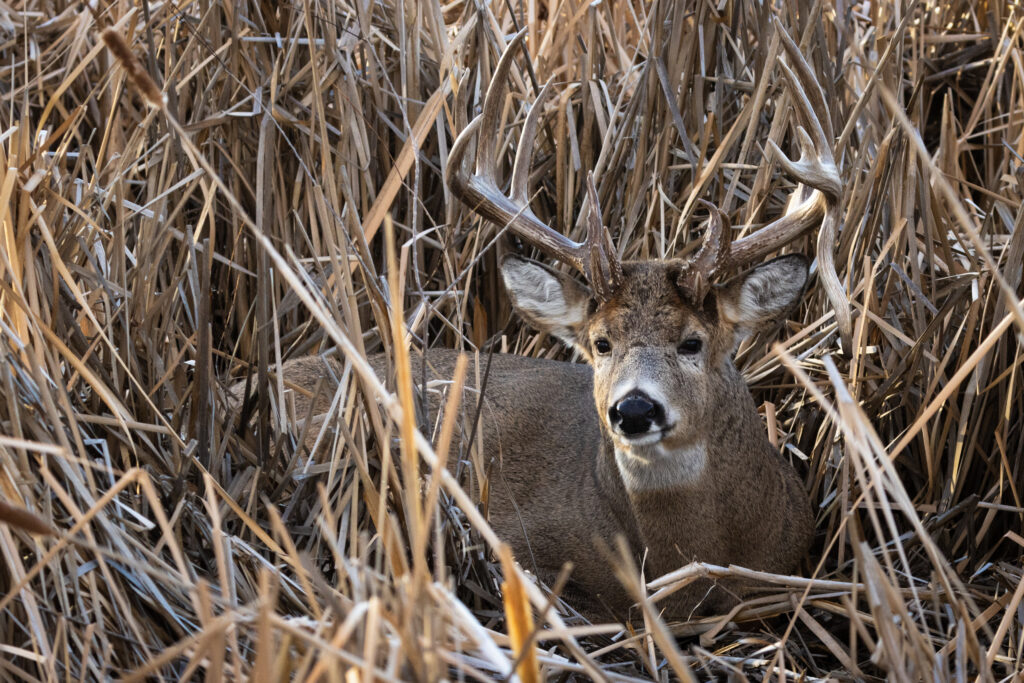
If deer are dug in like ticks and refuse to move, consider trying a good old-fashioned push, or deer drive, to roust them. Yes, drives are controversial in some circles due to their intrusive nature, so I suggest waiting until after gun season openers and during midday to respect other hunters, especially on public land. Most are familiar with the standard drive where posters stand and drivers crash through large chunks of land sending deer bolting in every direction. I prefer a subtler approach that produces less stress on the deer herd and better shot opportunities—namely, two-man drives. The stander can get a vantage point, even utilizing mobile gear to get up a tree in known pinches, while the pusher slowly works through bedding areas, using the wind to do work for him. These make for slower escapes of deer, fewer running shots, and more opportunities that flying lead will connect with a buck instead of a tree.