We may earn revenue from the products available on this page and participate in affiliate programs. Learn more
Last year, Stealth Cam’s Revolver 2.0 Pro took home the Best Detection award in our annual Best Cellular Trail Camera test. I liked the Revolver 2.0, and its detection range was remarkable. However, it was a bit big and clunky, and it produced far too many false triggers. For 2026, Stealth Cam has rolled out an update of a favorite cell-cam model of the past: the Deceptor 2.0.
The new Stealth Cam Deceptor Max 3.0 is a well-designed cellular trail camera that pairs seamlessly with the brand’s Command app to be your eyes and ears in the field when you can’t be there. This 2026 camera offers a fast trigger speed, photos of up to 50MP, and new controllable detection zone promises fewer false triggers. I spent more than two months testing this camera in my backyard and on my whitetail lease. Here’s how the Max 3.0 fared.
Quick Overview
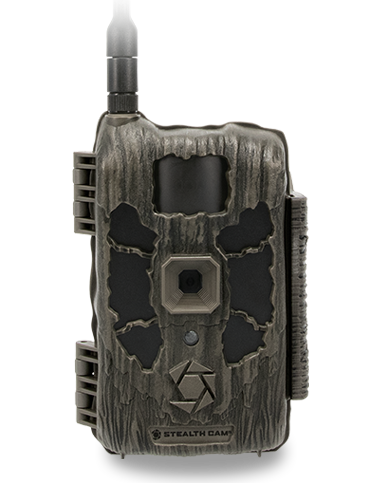
Stealth Cam Deceptor Max 3.0
Pros
- Excellent photo and video quality with audio
- Extended battery life
- Rapid trigger speed
- Very few false triggers
Cons
- Weak antenna
- Internal interface is hard to access
Specs
- Trigger Speed: <.3 seconds
- Detection Range: 100 feet
- Power: 16AA batteries
- Cellular Network and Carrier: Connects to the strongest available cellular network.
- On-Board Screen: No
- Price: $119.99
Related: Tactacam Reveal 4.0 Cellular Trail Camera Review
Stealth Cam Deceptor Max 3.0 Features and Tech
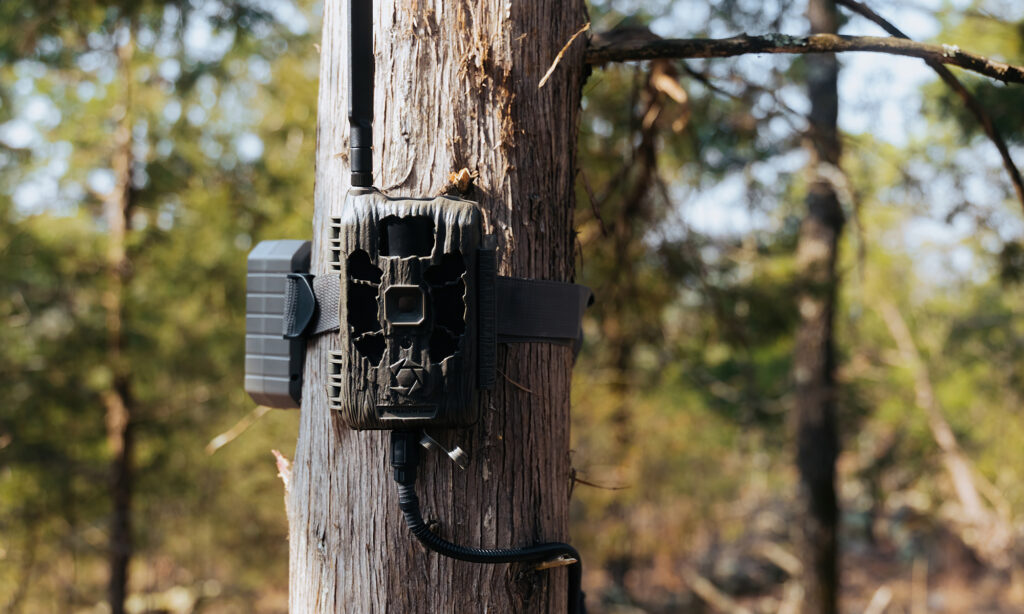
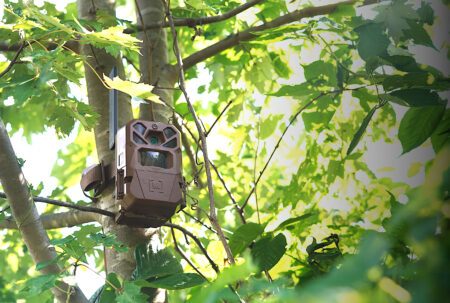
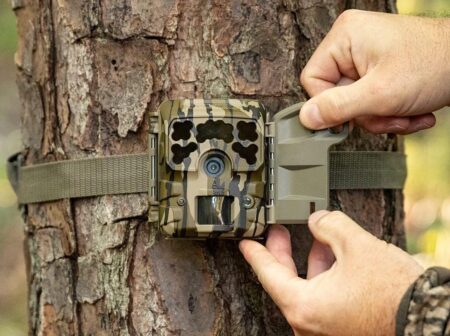
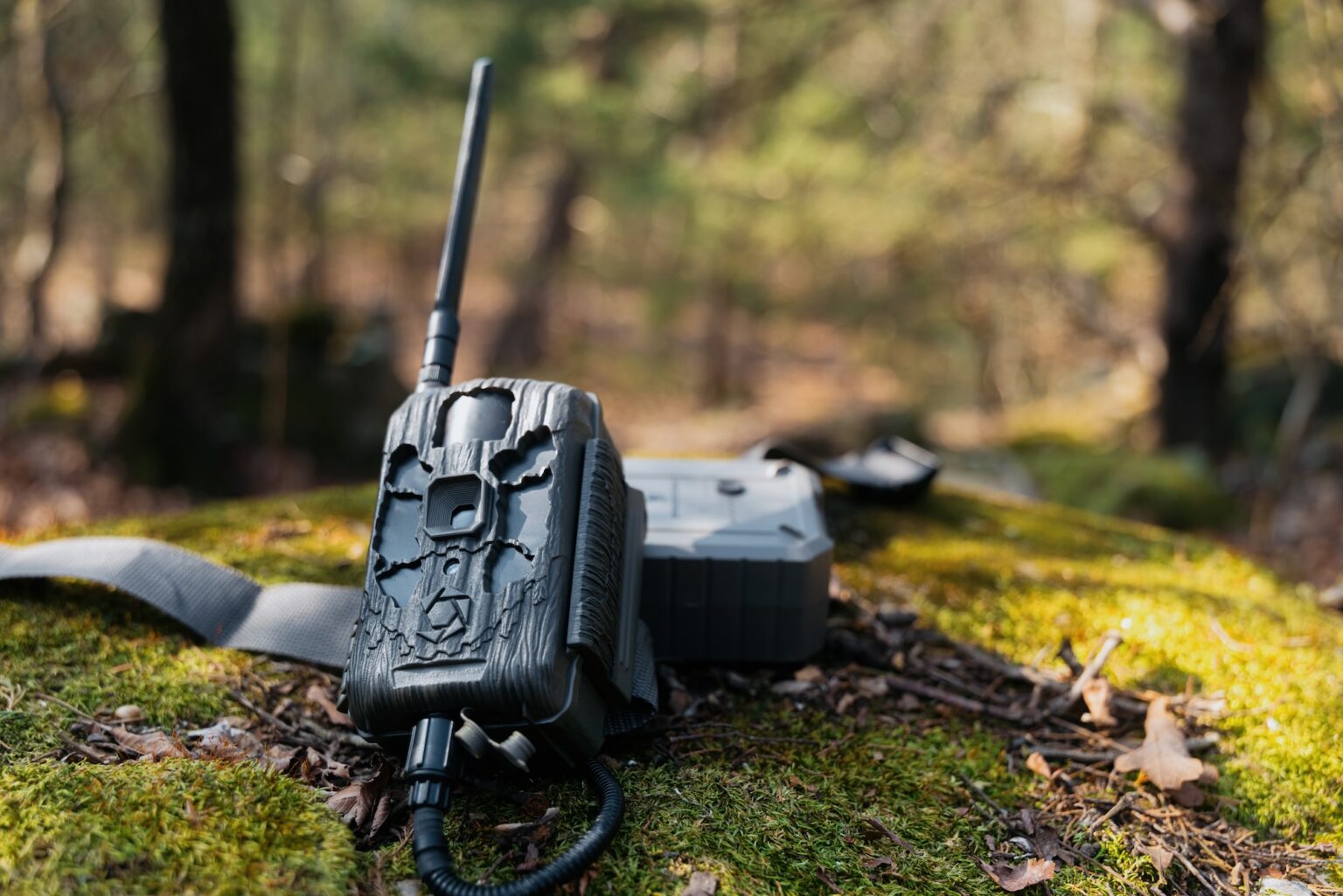
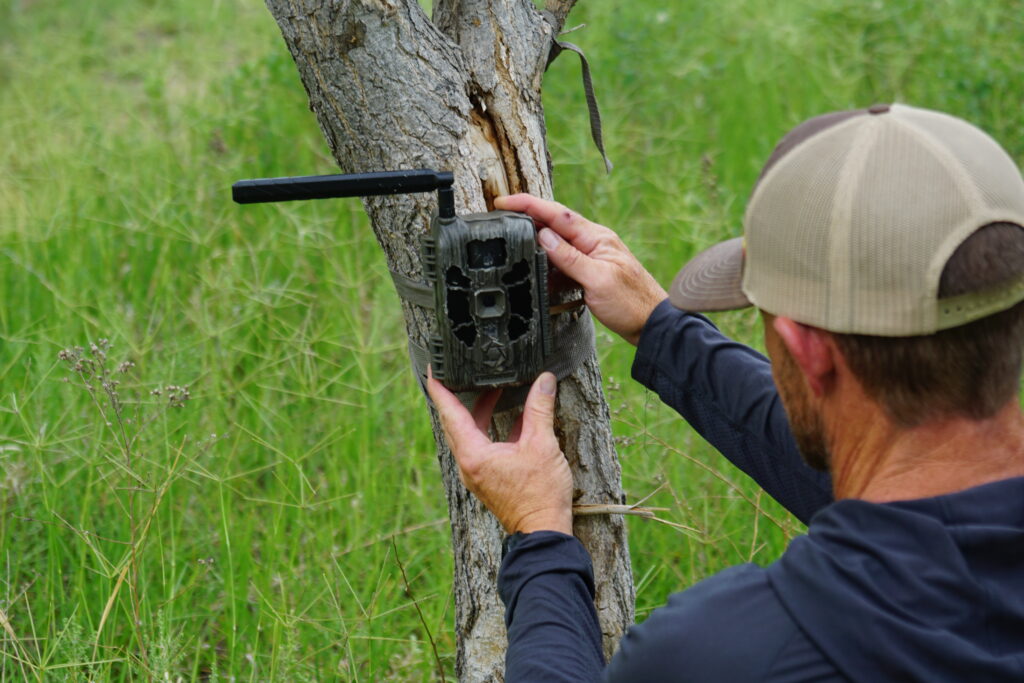
The Deceptor Max 3.0 is a tad heavy and very deep but not awkward to mount. The internal battery tray takes 16 AA batteries, which adds some weight, but the trade-off is extended battery life. I like the long hinge-and-buckle side latch, and the plastic outer shell feels durable. The antenna needs some work. I like the top-left corner mount, but the mounting hole is tiny and the antenna, like the one found on the Revolver 2.0, is flimsy.
I was excited to see that Stealth Cam went with 940 no-glow mm LEDs. Some whitetails like to be movie stars; others, not so much. Some deer, once they detect a trail camera, will never walk by that camera again. They may only shift a couple of yards, but years of trail-cam use have proven that some deer don’t like any flash, even a dull low-glow. A No Glow cell scouter that doesn’t spook game, captures quality images, and doesn’t compromise image and video quality is worth every penny.
The Deceptor Max 3.0 takes photos up to 50MP, but settings inside the much-improved Command app let you select between photo sizes of 50, 16, 8, and 4MP. Photo burst mode and delay time can be set to your liking, and the cell cam will record 1440p video with audio.
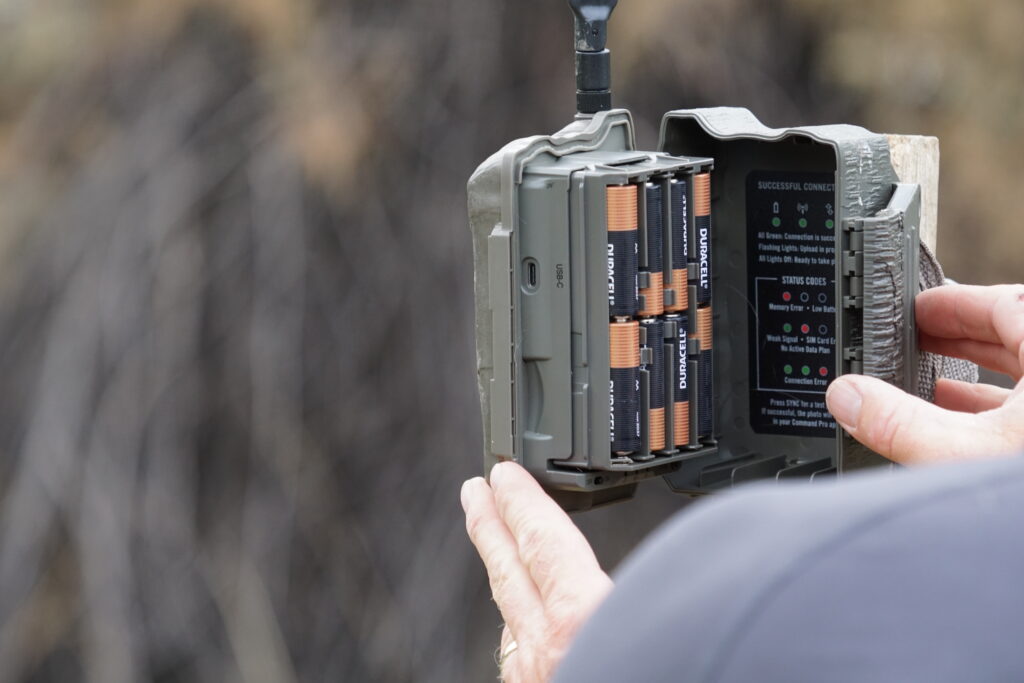
The internal interface isn’t complicated; however, all controls, including three lights that show the camera’s connection, are on the bottom of the camera’s interior door. The design makes it difficult to see when turning the camera on/off and checking for a connection. The on/off button is small and not user-friendly. This isn’t a deal breaker by any means, just a small design flaw. Activation is still straightforward. All you need to do is power on the cell camera, wait for the three lights to turn green, then close the door. The camera is now ready to send photos/video to the Command app. Like most cellular trail cameras, the Deceptor Max 3.0 connects to the strongest available cellular network.
Stealth Cam addressed some issues and made some upgrades to the Max 3.0. The dual-core cellular trail camera features false-image detection. Stealth Cam calls this a “breakthrough.” I wouldn’t disagree. I despise false triggers. They drain my battery and take time out of my day while I scroll through images of nothing but vegetation. In the Command app, users can select the False Trigger Filter, which offers multiple setting options. More to come on this.
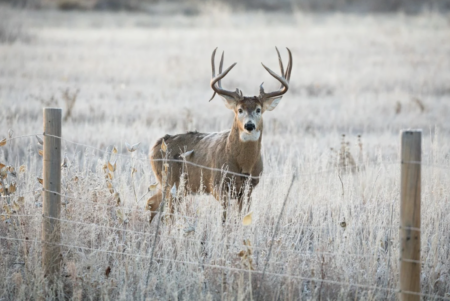
Another Max 3.0 Stealth Cam feature I’m excited about is Rack Alert. When activated inside the Command app, Rack Alert will send an immediate notification to your smart device the moment a racked deer enters the camera’s detection zone.
Essentially, what Stealth Cam has done here is combine the best features of two of my favorite cameras, the DS4K Ultimate conventional cam and Deceptor 2.0 cell cam and added a few new bells and whistles.
Related: Moultrie Edge 4 Cellular Trail Camera Review
How I Tested The Deceptor Max 3.0

Over the course of two months, the Deceptor Max 3.0 monitored a trail intersection, a large alfafla field, a pond, and a community scrape that deer on my Colorado lease use all season long. Although I set the camera set to capture 8MP images with sensitivity on low to save battery life, the Deceptor Max 3.0 still proved to be one of the top-performing cellular cams in this year’s test. I tested the camera’s AI capabilities, Command app features, photo and video quality, trigger speed, and detection range.
As with all cellular trail cameras in this year’s test, I placed the camera in my backyard and walked, jogged, and ran past it between 10 feet and its max-rated detection range of 100 feet. Stealth Cam claims a trigger speed of less than .3 seconds, which I feel is spot-on. Two cameras in our annual test missed me sprinting beyond 50 feet. The Deceptor Max 3.0 captured all but my back leg in the frame at a dead run at 100 feet.
Stealth Cam Deceptor Max 3.0 Test Results
After 60 days in the field, the camera has had three false triggers, including a day with 80-mph winds. The False Trigger Filter lets the user select: Off, Lite, and Smart filter settings. I tested the camera in the Off setting, which transmits all images, and the Smart setting. Smart sends images with AI-detected animals/objects. Both worked flawlessly.
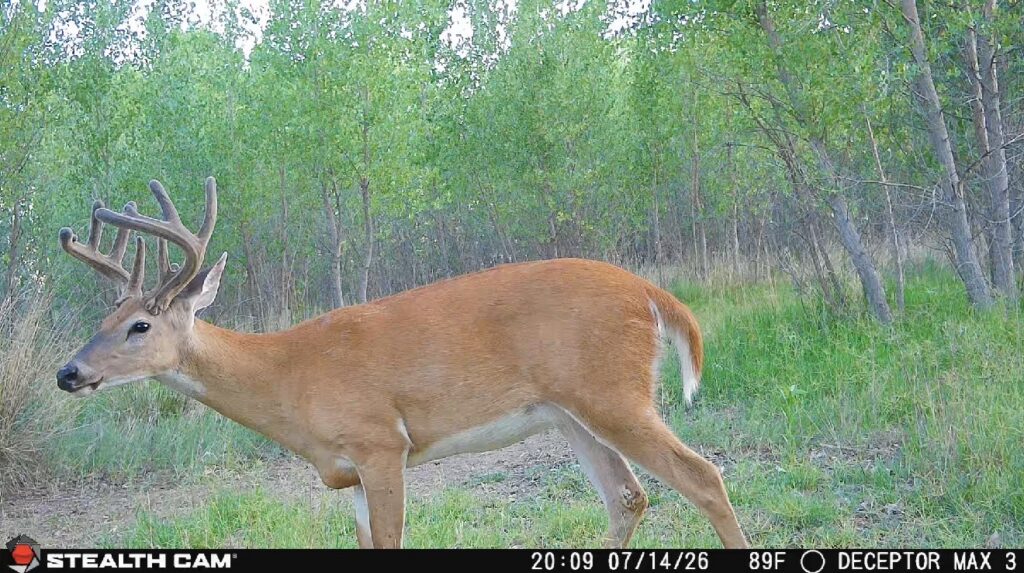
The No Glow flash didn’t spook deer. One of the best bucks I have on trail camera so far—a regular at a trail intersection—paid the Deceptor Max 3.0 no mind day or night. The camera’s No Glow LED range exceeded the advertised night/day distance of 100 feet.
Trigger speed is excellent, and with the camera set to Standard blur reduction, all images, including one of a doe that ran past the camera at warp speed, were centered and in focus. The cell camera’s video capability is remarkable, and the audio is even better. I ran the camera in photo and video modes throughout the testing period and neither disappointed me.
When set to video mode, the Deceptor Max 3.0 captures small, choppy clips. It doesn’t matter whether you set the video runtime to 10 seconds or a minute; the videos look the same in the app. To view a high-resolution video with audio, you must request it, and the next time the camera triggers, you can view the full HD video. Full HD video quality is impressive.
I don’t love the added weight of the 16 AA batteries, and I still feel the camera is a tad bulky, but I do appreciate the boosted battery life. After 60 days in the field, 723 photos and 23 20-second videos, battery life measured 90 percent.
Cellular trail-cam makers make lots of claims. Stealth Cam is no different. However, Stealth Cam’s two biggest claims for 2026 held up. The difference in false triggers between the Deceptor Max 3.0 and the Revolver 360 is staggering. Plus, my favorite feature, Rack Alert, works perfectly. From spikes to big bucks, Rack Alert works. I love getting the notification on my phone that a buck is in front of my camera, and I appreciate that every single time I’ve clicked on a Rack Alert image, I saw horns.
I don’t care about 50MP resolution photos. I tested the camera at 4MP and 8MP, and all images were bright, colorful, and grain-free. Video is just as clear, and I can’t wait to listen to the high-definition audio the Deceptor Max 3.0 records when the rut is rocking. Setting options inside the Command app are simple, which is a breath of fresh air. And you get all of this at a very reasonable price. At just $119.99, you get a very capable camera that offers more than enough bells and whistles to make it a standout in the cell-cam arena.
Related: 30 Pro Trail Camera Tips for More and Better Pictures
Why Trust Us
For more than 125 years, Field & Stream has been providing readers with honest and authentic coverage of outdoor gear. Our writers and editors eat, sleep, and breathe the outdoors, and that passion comes through in our product reviews. You can count on F&S to keep you up to date on the best new gear. And when we write about a product—whether it’s a bass lure or a backpack—we cover the good and the bad, so you know exactly what to expect before you decide to make a purchase.

All new! 1871 Club Field Trips