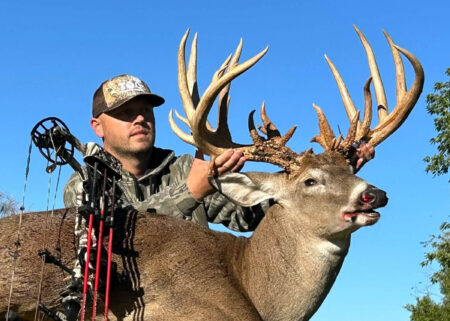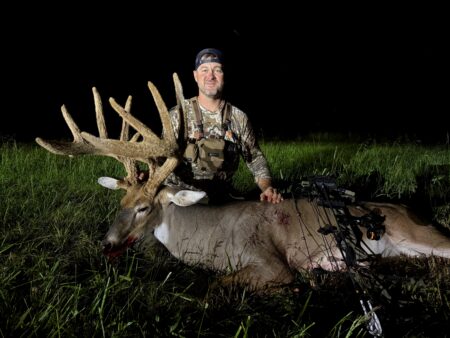
Early-Season deer hunting should be easy right? Whitetails haven’t seen a lick of hunting pressure for months, and bucks are never more predictable than they are now, living in small core areas and waltzing into ag fields and food plots with daylight to spare. There’s no better time, in fact, to put your tag on a bruiser whitetail you’ve patterned.
Or, at least, that’s what all the online how-to articles say. The truth, however, looks more like this: Yes, early-season bucks can be on highly predictable feeding patterns. And sure, this is a great time to catch one off guard. But there are still 1,000 ways to screw it up.
And screw it up, we do. No one knows this better than the people whose job it is to big bucks in front of clients all season long, including now. So, we asked some of the country’s top whitetail guides: What are the biggest mistakes early-season deer hunter make? Here are their answers.
Early-Season Deer Hunting Mistake #1: Waiting for the Rut
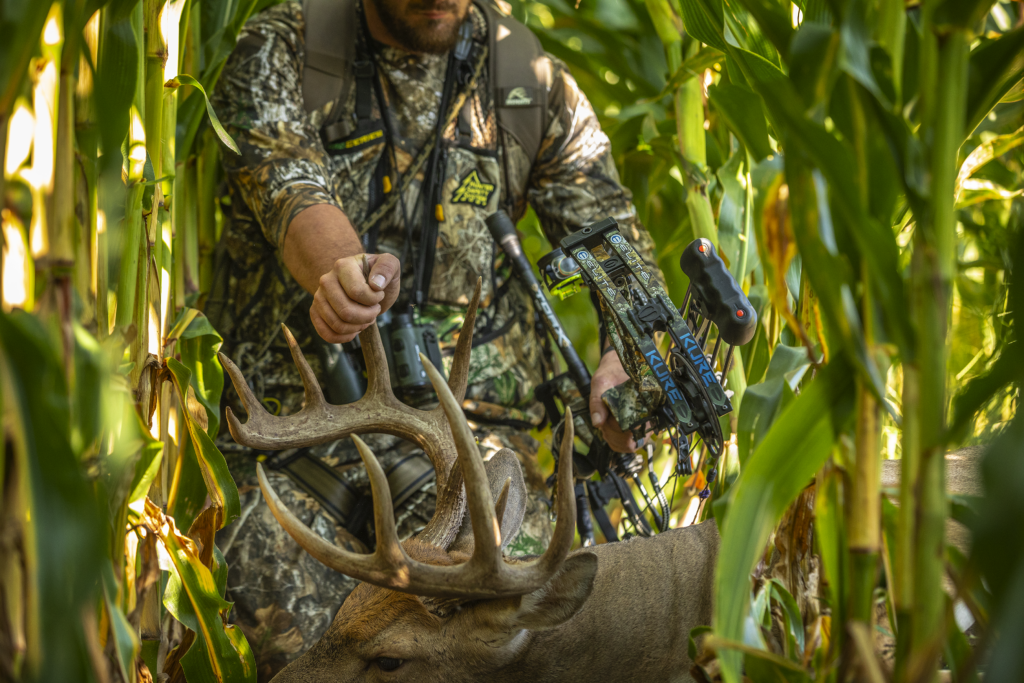
On one hand, you can’t blame hunters who skip the early season to avoid disturbing bucks ahead of prime time. But according to our pros, the early-season is prime time—or, at least, too good an opportunity to pass up.
“If hunted correctly, the early season is one of the best times of the year to kill a big buck. Even better than the rut, in my opinion” says Joel Artis of Buffalo County Outfitters in Wisconsin. “Bucks are very patternable this time of the year in the evenings. Find their preferred food source and you will probably find one or more bucks.”
Brian Gilbert of Massachusetts’ Western Mass Guide Service agrees: “One of the biggest mistake I see hunters make now is waiting for the rut to pursue a mature buck that they have patterned through the summer months. People think that the second week of November is their prime time, when in reality, what happens is those mature-buck patterns become increasingly unpredictable. If you have a good buck patterned in the early season, don’t wait.”
The key, however, is to hunt these buck very carefully, which brings us to the next mistake.
Early-Season Deer Hunting Mistake #2: Hunting Too Aggressively
“The biggest mistake I see early-season hunters make is hunting when conditions aren’t right,” says Tim Clark of Red Dog Outfitters. “Guys don’t understand how fragile their property is. If you pressure deer early, they’ll be gone before the end of October. Sometimes it’s better to leave things alone until the wind is right, the weather is right, or the corn harvester is on you. Then take your shot.”
Just about all of the experts we reached out to advised a conservative approach in the early season. Try to avoid bedding areas, don’t invade too far into the timber, stay away from stands where you can get busted, and save more aggressive setups or tactics for when conditions are just right.
“A mature buck doesn’t necessarily have to leave the farm when he feels pressure,” says Bryan Dawes of Brushy Fork Outfitters. “Sometimes the only adjustment he makes is standing up at last light instead of 10 minutes before it. And those 10 minutes can make all the difference. Early in the season, it’s not always about hunting harder. Sometimes it’s about hunting less—and making the first sit count.”
Related: The Best Times to Hunt Deer All Season Long
Early-Season Mistake #3: Hunting Too Many Mornings
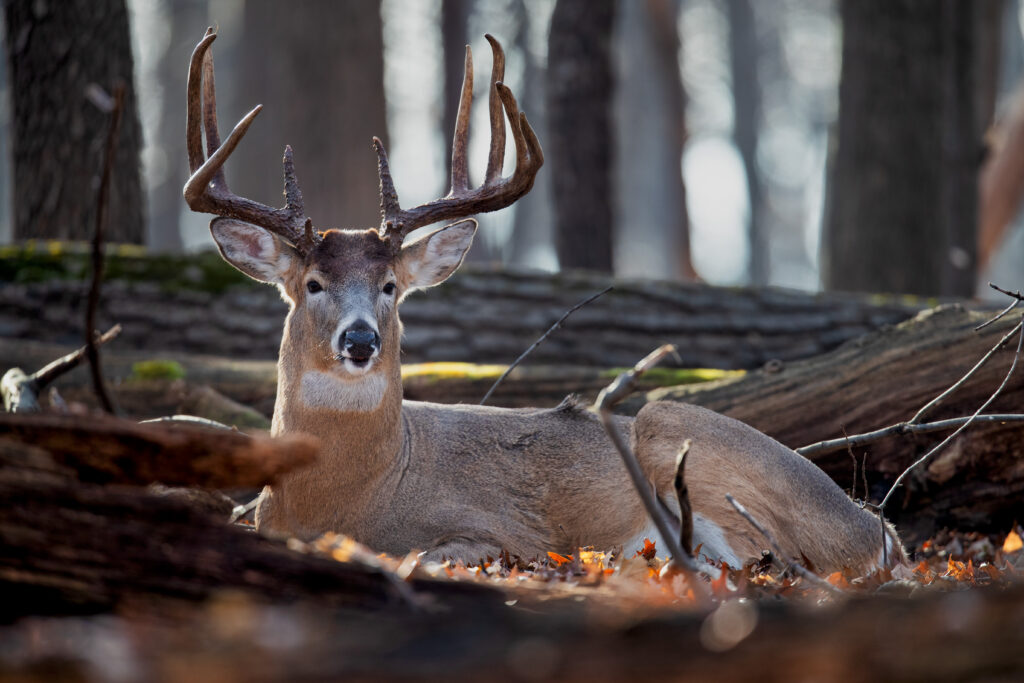
“Don’t wreck your evening hunts by trying to hunt the same deer in the mornings,” says Artis. “You’ll just be spooking those bedded deer when you walk in before daybreak. Be patient and hunt the evenings.”
“I also do not hunt a spot in the morning if I plan on hunting there that evening,” says Tom Indrebo of nearby Bluff County Outfitters. “Early-season bucks bed close to their feeding area, and it’ s important not to disturb them before you plan to hunt.”
Most of our experts concede that if conditions are perfect, you can go ahead and take your shot in the morning, but as a general rule, as Dawes puts it, “Pushing into a farm before daylight can do more harm than good. It doesn’t take much pressure to change the behavior of a mature buck. Repeated early-morning access, bumped deer, human scent, or even a slight increase in activity can quickly push daylight movement closer and closer to darkness.”
Early-Season Deer Hunting Mistake #4: Hunting the Wrong Food
“Alfalfa, soybeans that still have green leaves, and acorns are going to be your go-to food sources in the Midwest this time of year,” says Artis. “Concentrate on those big three, and you will find deer.”
In Indiana, Chris Fischvogt of Muscatatuck Outifitters sees too many hunters ignoring a can’t miss early-season food source. “People hunt field edges around corn and soybeans when they should be hunting white-oak acorns. White oak trees usually start dropping acorns as early as mid-September and the deer burn them up. My advice would be find the white oaks, and set up on nearby feeding or buck sign.”
Related: Top 12 Early Season Deer Foods to Focus on Now
Early-Season Deer Hunting Mistake #5: Over-Hunting Water Holes
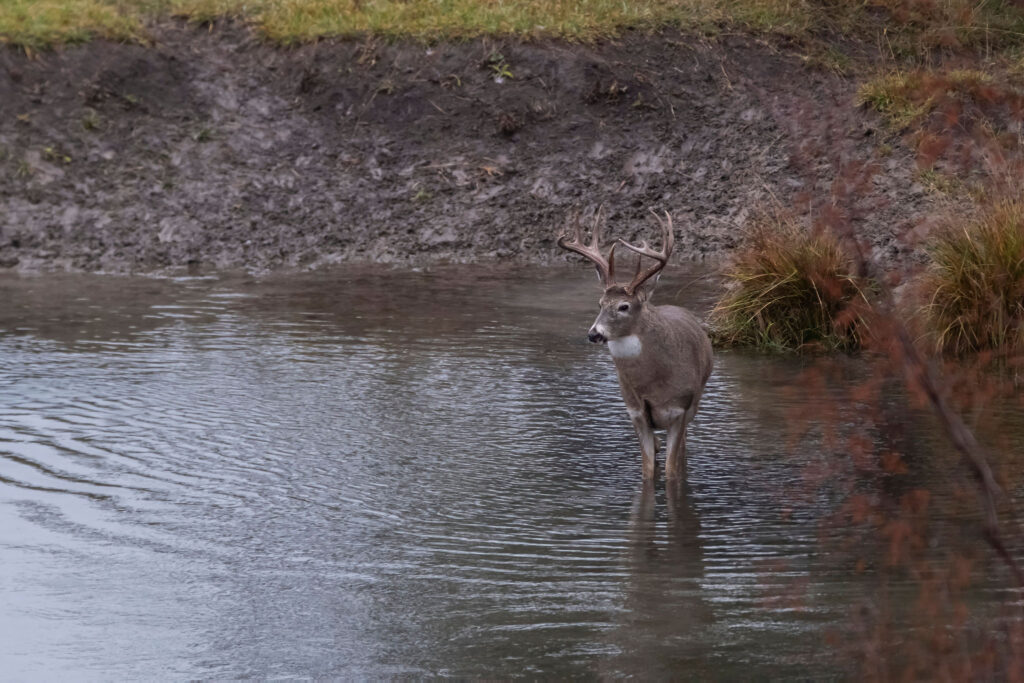
“I’m going to get a lot of negative feedback on this, but the fact is, people hunt water holes too much in the early season,” says Artis. “They figure it’s warm out now and so deer are seeking water. I’m not saying that can’t work. But the truth is that the colder it gets, the better water-hole hunting gets.” Artis explains that under normal conditions, deer get plenty of moisture from rain and dew, and don’t need to seek out standing water as much as people think they do early season.
“We struggle on water holes in the early season,” he says. “But when it gets cool and the air dries and there is very little dew in the mornings, water holes get really good. So don’t get too hung up on hunting water now.”
Early-Season Mistake #6: Not Planning You Entry and Exit
“When you’re hunting early-season bucks on summer food sources, it’s critical to carefully plan your exit from each afternoon stand,” says Indrebo. “Usually, the older bucks will be the last to arrive at the food source, about the time you’re ready to leave. The most common mistake made by hunters is walking out through a field full of deer. If at all possible, plan to have someone drive into the field with a vehicle to lightly bump the deer off before you exit your stand.”
Early-Season Deer Hunting Mistake #7: Not Hunting Buck Scrapes
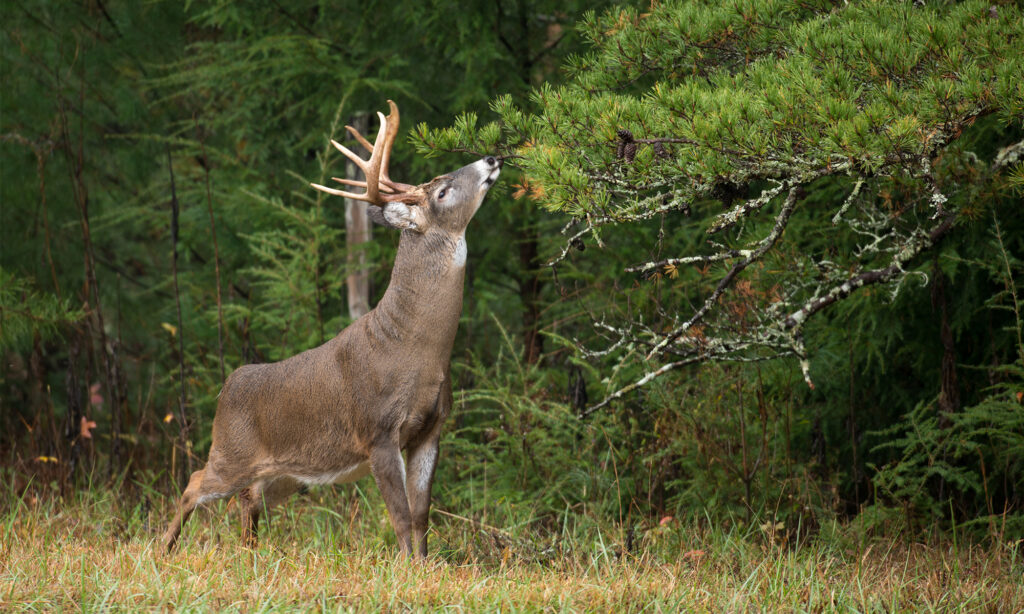
Hunting over both real and mock scrapes is an overlooked tactic in the early season, according to Artis. “Some of our best scrape hunting happens now. I start my mock scrapes in early summer and let the bucks take them over. Scrapes are used all year and a lot more in the summer and early fall than people think. Rest assured, I will have hunters on scrapes and scrape trees in food plots during my early-season hunts.”
Related: Buck Scrapes: Pay Dirt of Fools Gold?
Early-Season Deer Hunting Mistake #8: Hunting Only on the Food
“One of the biggest things I’ve learned about early-season hunting is to not always hunt the food directly,” says Dawes. “Staging areas lead to way more opportunities during daylight hours than the plots themselves.” He notes that this also helps when you’re trying to exit your stand, because it will often keep you from having to exit through the open field. “I like hunting the staging areas to intercept deer heading to the feed. Access is way better and intrusion is a fraction of what it would be directly on the food source.”
Finally, if bucks are late getting to the food, Sherk has had good luck moving back incrementally toward bedding areas in the evening. “My best success is carefully hunting closer to bedding areas, especially once we get into early October. I find that most mature bucks stay in the bedding area or very close to it until sunset. If you can slip close undetected, you’ll be sitting pretty.”
Early-Season Mistake #8: Not Focusing on the Weather
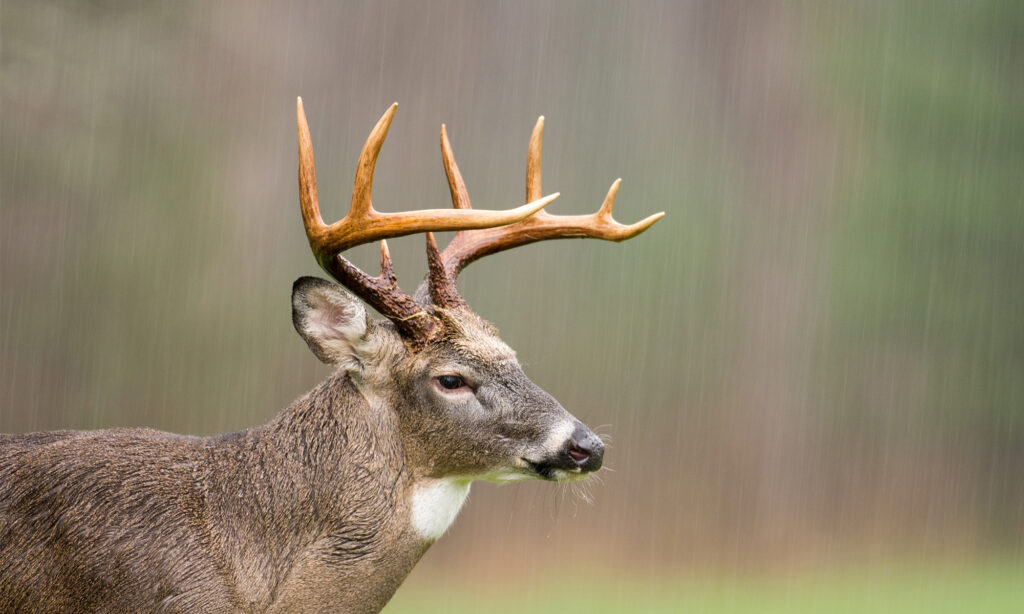
Sherk also says that one of the most important things he’s learned about early-season hunting is to key in on weather fronts. “Cold fronts get deer moving toward food earlier in the evenings, and those cold, frosty mornings keep bucks on their feet longer during daylight hours. I also find that if you get a full moon early in the season, you will see extended late morning feeding activity.”
Related: Early Season Deer Hunting Tips from the Pros
Early-Season Mistake #9: Assuming Bucks Have Disappeared
A lot of hunters think that as soon as bucks shed their velvet, they move out of their summer range. “That can happen,” say Dawes. “But I’ve found that more often they stay put and just change their habits.” He explains that as bachelor groups break up, food sources change, and bucks that were buddies all summer start thinking about fighting for breeding rights, there’s a bit of a shakeup. “But we have had a lot of hunters kill deer exactly where we got their pictures all summer in velvet. So when a buck seems to disappear, remember, he’s often not really missing.” Figure out his new pattern, and you’ll be back in the game.
Early-Season Deer Hunting Mistake #10: Refusing to Rattle or Call
Conventional wisdom says that it’s best not to rattle or call in the early season. But many hunter take this too far by never making a sound, even when they should. “Once whitetail deer shed their velvet, bucks will starting banging their heads together here and there, especially younger deer. This draws the attention of all deer, big and small, bucks or does,” says Gilbert. “Go ahead an be confident in strategic early-season rattling and grunting. Because I can tell you, it works!”

All new! 1871 Club Field Trips