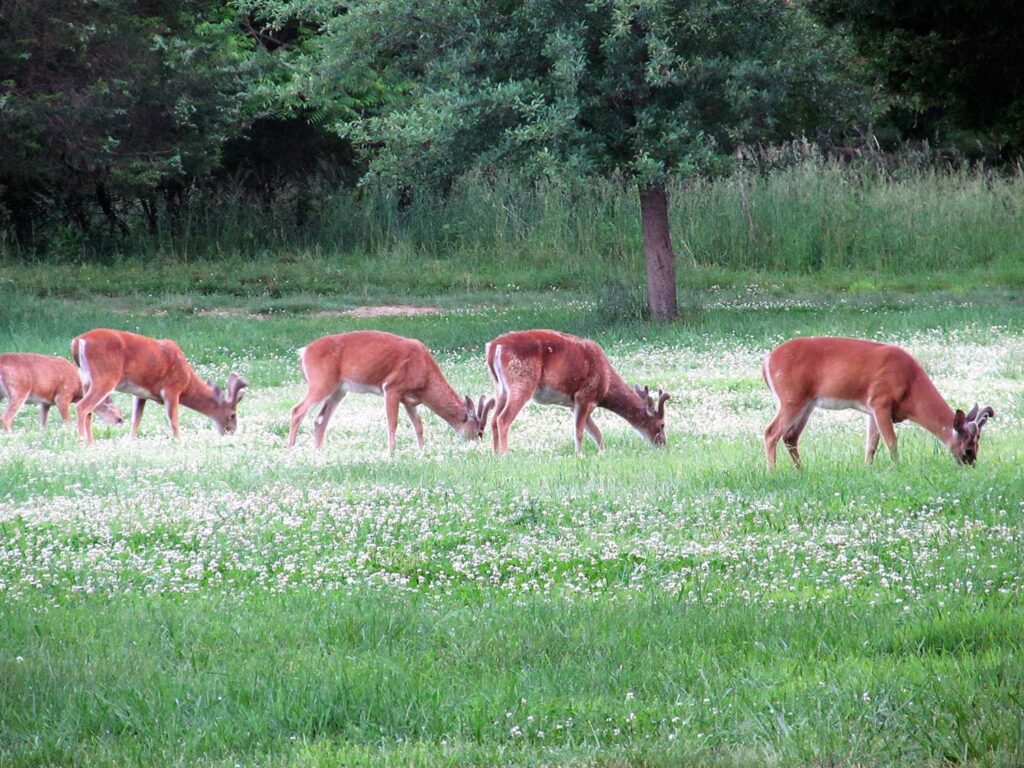
If you were forced to choose just one food plot forage, what would it be?
Outrageous? Of course.
But posing a question like that can stimulate serious debate about the qualities of the various food plot forages and whether you are doing what’s best for the deer on your land. And that, in the end, is what most of us amateur farmers and hunters are seeking—healthier, bigger deer and better hunting.
In a few cases, where only limited acreage is available, it may actually be best to go “all in.” Slide your chips onto one crop to maximize the amount of nutrition you can provide and the attractiveness of that small parcel.
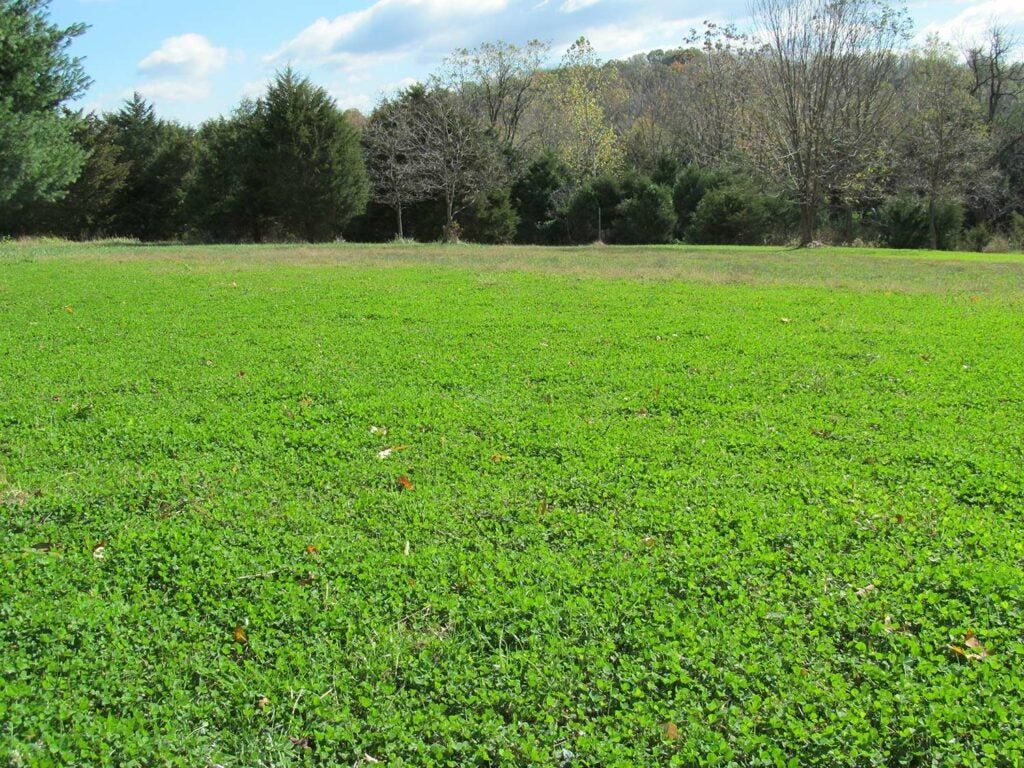
Most of the time, however, it’s better to plant a variety of foods for whitetails, to have overlapping periods when different forages are available. Some should be in early growth stages while others are peaking. One may thrive during bow season while another stands tall in late winter when snows cover low-growing plants. One may need frosts to reach peak taste appeal (brassicas) while another (oats) taste best to deer when the tender green shoots first come out. Still others like chicory and lablab thrive in dry summer heat while plants like white clover struggle.
But whether you put in just a single type of food or sow a smorgasbord of varied forages, trying to pin down the best one or two plants for deer is a valuable exercise.
What Is the Best Food Plot Seed?
It depends. Trying to choose the food plot seed that’s best for the archer in Alabama, the late-season muzzleloader hunter in Michigan, and the rifle hunter in Pennsylvania is a stretch. We won’t go there. Instead of homing in on specific states, it’s better to break it down by region.Certainly some of these forages will work in all regions. Most of them will. But choosing the best plants for three separate regions is more valuable than recommending a single plant for everyone.
We’re also going to choose a runner-up contender. That allows hunters with more available land to cover more time frames, weather, and varying soil conditions than they could if they only chose a single plant.
Finally, while we’re hedging our bets, why not allow the winner and runner-up choices to be blends, as long as the seeds are all of a distinct category, like white clovers, warm-season annuals, or cereal grains. I have seen too many cases of particularly fussy bucks preferring one food plot forage over another to lock myself into one single clover or one specific bean.
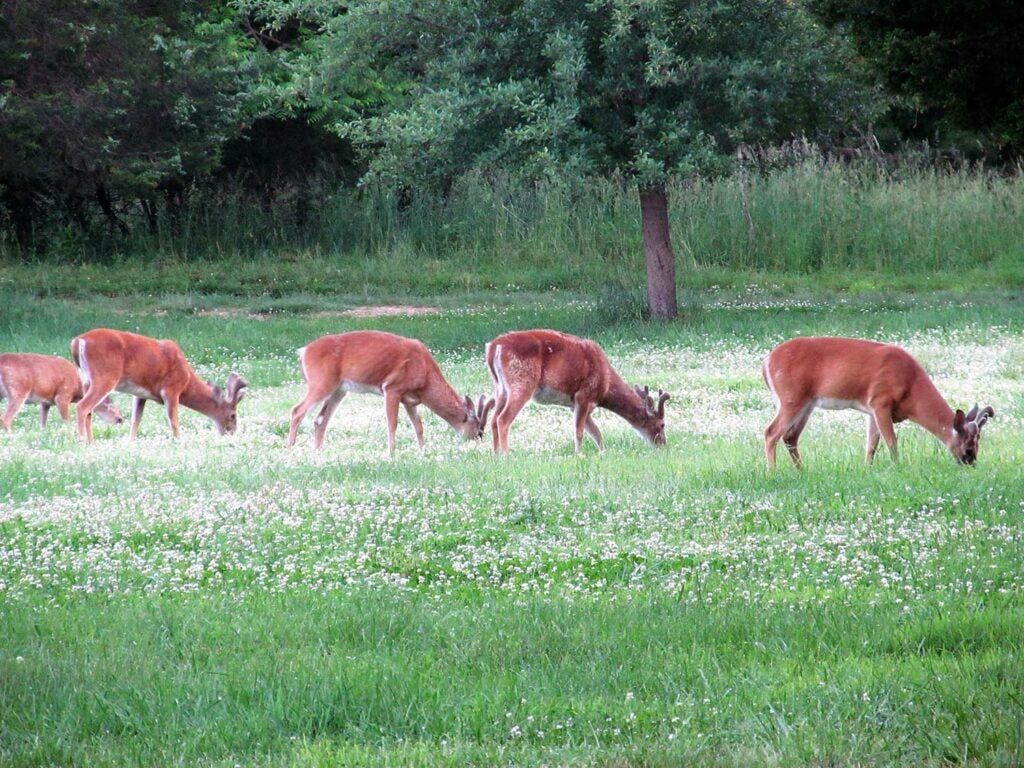
No one is recommending narrowing your food plot selections down to the choices described here. But do consider making these winners a major part of your deer forage program. And always remember that whitetail habitat management should also emphasize enhancing and protecting native deer foods already on your land.
How to Choose the Best Deer Forage for a Food Plot
I based these decisions on 30 years of food plotting on my 117 acres of land in Virginia, lots of research, and by visiting dozens of other deer properties around the country. I rated each food and chose the contenders and the winners based on ten factors:
Attractiveness to deer
Resistance to feeding pressure
Ability to grow in poor quality or acidic soils
Palatability
Low cost
Ease of growing
Digestibility in a deer’s small rumen
Length of time forage is available
Drought hardiness
Benefits to the soil
I then broke them down to a number one pick and a runner-up for the following three regions:
The South
The Mid-Atlantic and Northeast
The Midwest and West
1. The South
States Included: Texas, Oklahoma, Arkansas, Louisiana, Mississippi, Alabama, Tennessee, Kentucky, North Carolina, South Carolina, Georgia, and Florida
First Choice: Warm Season Annuals
Planting Date: April to June
Almost any forage can grow here. Some don’t thrive in the extreme heat of summer, such as clovers. Others like brassicas might not reach their most palatable sugar-sweetened stage until well into the hunting season. And the tall height of late-season plants is of little concern here where snows seldom measure more than a few inches.
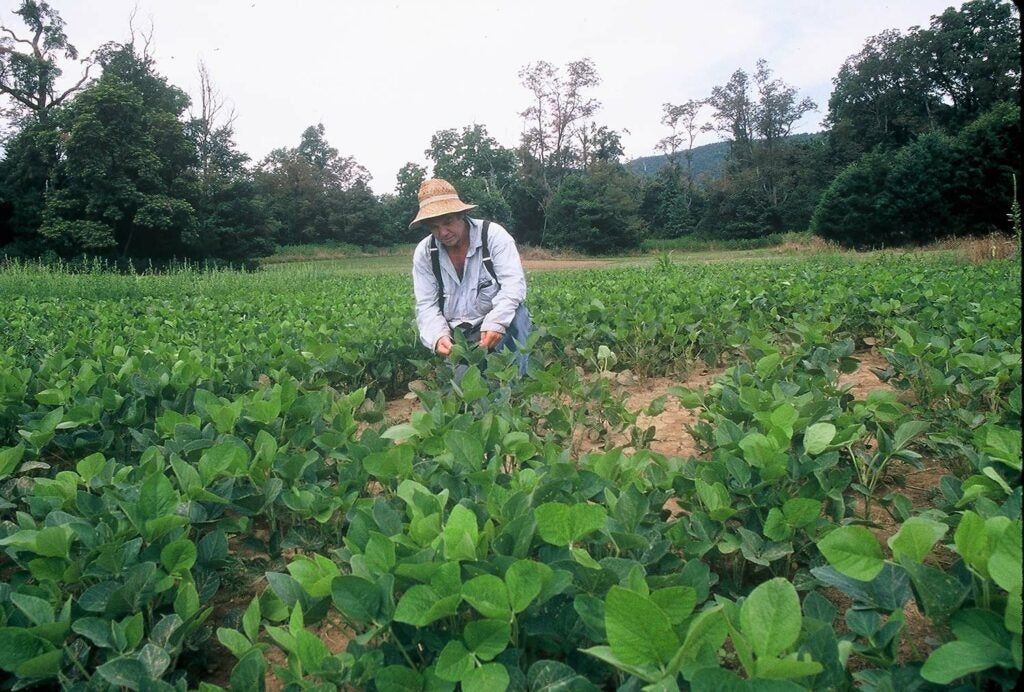
The number one choice for food plotters in the South is warm-season annuals. A mixture of these plants will thrive from April or May well into bow and even early gun seasons. The best plants in this category are forage soybeans, cowpeas, and lablab. For added structure to allow these legumes to grow so tall, try to include sunflowers and either sunn hemp or sorghum. They will not only provide more forage but cover as well.
Warm-season legumes provide high protein levels (up to 35 percent), tremendous tonnage, and strong taste appeal to deer. And in no other region do they offer food to whitetails for as long a period—up to eight months in some states.
Planting Guide
Make sure you buy “forage” soybeans, which are meant to produce food in their leaves for deer or cattle, rather than beans grown for a harvestable crop. Eagle Seeds’ Large Lad and Big Fellow are both Roundup-Ready and grow six feet tall while producing up to 10 tons of forage per acre. The Whitetail Institute’s Power Plant or Plantbiologic’s Bio-Mass All-Legume are good pre-mixed blends.
Plant single species or mixes of warm-season annuals about one inch deep. They can be sprayed for grasses (unless you include sorghum) with herbicides such as Poast or Arrest Max during their early growth stages. Cowpeas are more forgiving of low-quality soil, growing well with a pH of just 5.8 or higher. Lablab is best in drought-prone areas.
Tip: Leave some strips unplanted in warm-season annual fields for shooting lanes and travel routes to channel deer movement past your stand. You can sow these strips in annual clovers or brassicas to add to their appeal.
Second Choice: Cereal Grains (Wheat, Oats, Rye, and Triticale)
Planting Dates: Late August to October
If restricted to just one more forage for the South, a cereal grain such as oats, wheat, rye, or triticale gets the nod. All of these will go in the ground about the time the annuals are peaking in late summer. In a week, they’ll offer tender green shoots that will tempt bucks who are getting tired of beans and lablab. They will continue to offer 15 to 20 percent protein right through winter and into early spring, when they can be plowed under for valuable organic matter.
Planting Guide
Cereal grains are very forgiving. Give them a well-tilled, weed-free seedbed and a pH of 6.0 or higher and you can throw them on the ground and get a good crop. A better bet is to lightly till them under about ½ to 1 inch. If you didn’t do a soil test, add a 19-19-19 or similar fertilizer. If you want to fudge on the single plant-type theme, add an annual clover such as crimson or arrowleaf. This will pull even more deer into the grains and provide that crop with extra nitrogen which the clovers produce.
Tip: If wheat, triticale, and oats grow taller than eight inches and feeding drops off, mow them down to 3-4 inches. Tender fresh shoots will appear that are tastier to the deer.
2. Mid-Atlantic and Northeast
States and Canadian Provinces Included: Maine, New Hampshire, Vermont, Rhode Island, New York, Connecticut, Massachusetts, New Jersey, Pennsylvania, West Virginia, Maryland, Deleware, Virginia, Quebec, and Maritime Provinces
First Choice: White Clover
Planting Dates: March to early May; August to September
With a moderate climate and summers that aren’t as hot as the south, the best plant here is white clover. Most managers will go with the big-leaved, high-protein ladinos, featured in famous plot offerings such as Whitetail Institute’s Imperial Whitetail Clover and Mossy Oak’s Non-Typical Clover. Others choose Intermediate white clovers such as Pennington’s Durana. These have smaller leaves and thrive with frequent mowing. If you’re able to clip the crop to cut back weeds and stimulate new growth every few weeks, the intermediates are good. If you want to allow the forage to grow taller and won’t be able to mow as much, ladinos produce extraordinary crops.
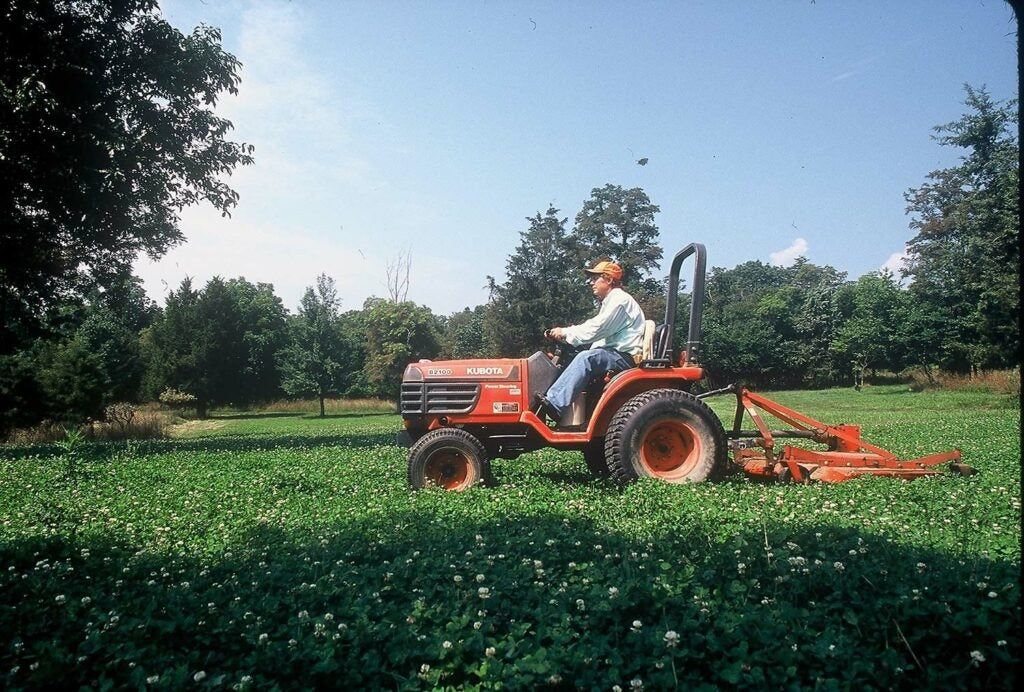
In mild winters, white clovers can yield food year-round. In more northern areas, they may go dormant for a month or two. But who can fault a plant that deer eat 10 months a year?
Summer’s growth may slow in some areas, but seldom will it totally stop—as it might happen in parts of the South. The other main plus to white clover, besides a long growing season and palatability, is that this plant is a perennial. When managed properly with mowing, weed control, fertilizing, and liming, it can yield sustained crops for 3 to 5 years.
Living in Virginia, I’ve killed bucks on perennial white clover plots during October bow seasons, November rifle, and January muzzleloader hunts. Friends from Northeast report similar successes.
Planting Guide
Perennials like clover can be planted in spring or fall. Spring plantings establish a stronger root structure, but they have to compete with more weeds. Fall plantings from August into September generally work best except in the most northern parts of this region. Make sure you have a firm, smooth seedbed and either lightly roll over the tiny seeds with a cultipacker or simply spread before a gentle rain.
Tip: Make sure the seed is inoculated or add it yourself. If you’re a skilled farmer, a grazing-type alfalfa could be substituted here, but most food plotters do best with more forgiving white clovers.
Second Choice: Warm Season Annuals
Planting Dates: Mid May to late June
They may not thrive for as long as they do in the South, but you can still get five to six months of solid forage growth from warm-season annuals in this region. These crops will give nursing does and antler-growing bucks huge portions of 25 to 35 percent protein when they most need it. Then, in September, when bean leaves yellow and sun hemp dies out, your white clover plots will be coming on strong.
Planting Guide
Make sure you have at least 1 to 2 acres for warm-season annuals. Larger fields are even better. Small bean plots will be decimated by deer soon after they emerge. Only by sowing so much that they can’t damage all the plants will a plot survive. Overwhelm them with food.
Tip: Alternately, to protect the young plants, you can erect electric fences or double fences of ribbon sprayed with deer repellent such as Plot Saver or P2 Plot Protector.
Midwest and West
States and Canadian Provinces Included: Ohio, Michigan, Indiana, Illinois, Wisconsin, Minnesota, Iowa, Missouri, North Dakota, South Dakota, Nebraska, Kansas, eastern Colorado, Wyoming, Montana, Idaho, eastern Washington, Ontario, Manitoba, Saskatchewan, Alberta
First Choice: Brassicas
Planting Dates: Late June to August
Some hunters think food plots are pointless in the fertile farm country of the Midwest and West where soybeans and corn blanket fields like huge green carpets. But savvy wildlife managers know deer will often seek different foods after gorging themselves on corn and beans all summer. Frosts come early, perfectly timed for bow season, sweetening brassicas, and making them the best food plot selection for this region.
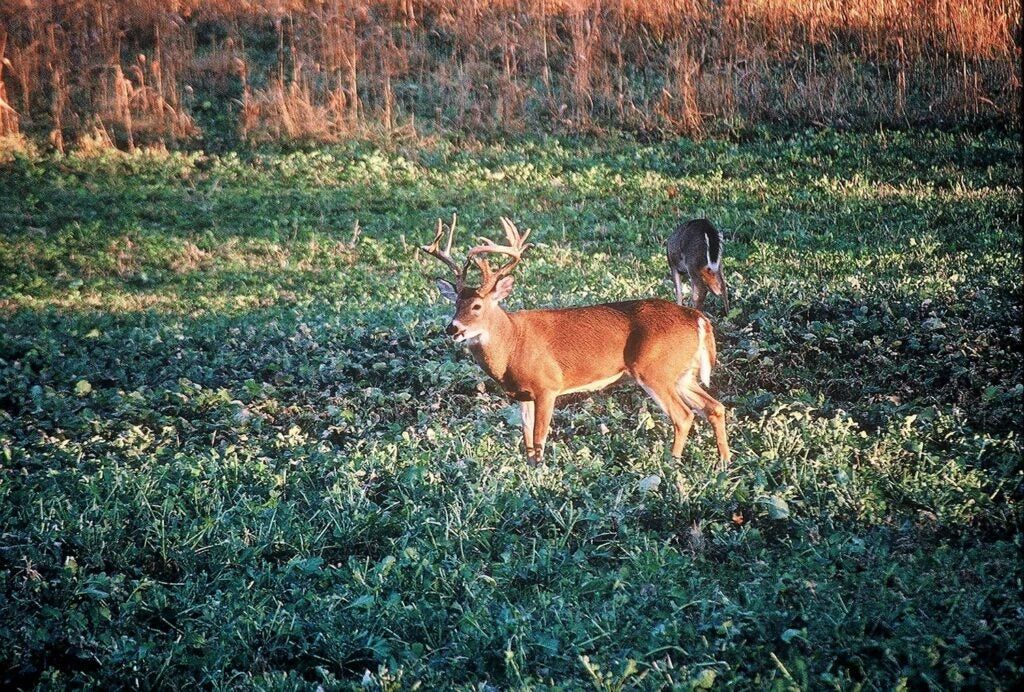
Strategically place a plot of tender kale, radishes, turnips, and rape between major evening feed areas and daytime bedding hideouts. As sub-freezing nights convert the starches in these plants to sugars, deer are almost guaranteed to stop there.
Another reason for planting brassicas is that they stand tall when properly fertilized, sometimes 2 to 3 feet high. When a heavy snow falls and stays for weeks (as it typically does in this region), a forage that protrudes above it and is accessible further solidifies these plants as number one for this region. Brassicas have other pluses as well: they release chemicals that kill harmful weeds and pests, aerate compacted soils, and reduce erosion.
Planting Guide
Brassicas can thrive with a pH of 6 or higher. Be sure not to spread too much seed or plant them too deep. Mixtures or single plants such as radishes are good. To get the tallest plants and most tonnage out of these forages they can’t be crowded. Do a soil test or add a 10-10-10 or similar fertilizer mix. Cover the seed only lightly or simply spread on a smooth packed seedbed before a rain.
Tip: To get more production and improve the palatability of brassica crops, supplement the plot with a 34-0-0 or 46-0-0 nitrogen 3 to 4 weeks after the plants emerge. Repeat again later in the winter if the plant leaves start to turn pale green or yellowish.
Second Choice: Clover-Chicory Mix
Planting Dates: April to June; Aug to September
Brassicas will attract deer to your hunting property during fall, but to get them to stay on a year-round basis, grow a perennial that will provide a change of pace from agricultural crops during summer and offer food when brassicas fade in early spring. Mixing some chicory in with the clover will keep your plots going strong during drought and hot summer days when clover tends to struggle a bit.
Planting Guide
A great way to get a thriving clover-chicory plot is to first plant wheat or oats tilled ½ to 1 inch deep and then firm the seedbed and broadcast the tinier seeds on top. The cereal grain will act as a nurse crop and take some pressure off the young clover and chicory plants as they establish a deep root structure. The wheat also entices deer early before the other plants grow tall enough to draw them in. The grain will eventually die out, leaving a lush perennial crop for years to come.
Tip: be sure you have amended your soil with lime if it’s acidic. Getting the pH in the 6.3-7 range is crucial for this crop. A few annual clovers like crimson can do okay in lower pH dirt, but not the prized ladinos.

All new! 1871 Club Field Trips