Close Menu
  • Stories
    • Hunting
      • Big Game Hunting
        • Elk Hunting
        • Bear Hunting
      • Deer Hunting
        • Whitetail Hunting
        • Mule Deer Hunting
      • Predator Hunting
        • Bobcat Hunting
      • Small Game Hunting
      • Bird Hunting
      • Dogs
        • Hunting Dogs
        • Canine Gear & Accessories
      • Turkey Hunting
      • Waterfowl Hunting
        • Duck Hunting
    • Fishing
      • Freshwater Fishing
        • Bass Fishing
        • Catfishing
        • Trout Fishing
        • Pike & Muskie Fishing
      • Saltwater Fishing
        • Striped Bass Fishing
      • Ice Fishing
      • Fly Fishing
    • Guns
      • Ammo
        • Handguns Ammo
        • Shotguns Ammo
        • Rifles Ammo
      • Rifles
      • Handguns
      • Shotguns
    • Survival
      • Survival Food
      • Wilderness Survival
      • All Survival
    • Conservation
      • Hunting Conservation
      • Fishing Conservation
      • Public Lands & Waters
      • Wildlife Conservation
    • Cooking
      • Recipes
  • Outdoor Gear
    • Hunting
      • Big Game Hunting
      • Bird Hunting
      • Bow Hunting
        • Crossbows
        • Compound Bows
      • Boots
      • Hunting Calls & Decoys
      • Knives
      • Hunting Apparel & Accessories
      • Optics
        • Binoculars
        • Scopes and Sights
        • Rangefinders
      • Trail Cameras
      • Waterfowl Hunting
      • Turkey Hunting
    • Fishing
      • Baits, Lures, and Flies
      • Fishing Reels
      • Fishing Rods
      • Fly Fishing
    • Guns
      • Ammo
        • Shotgun Ammo
        • Rifle Ammo
        • Handgun Ammo
      • Handguns
      • Shotguns
      • Rifles
    • Camping & Outdoor Rec
      • Auto & Truck
      • Camping Gear
      • Hiking & Backpacking
    • Gift Guides
    • Cooking
      • Cooking Gear
  • Shop
    • Shop Field & Stream
      • F&S Shop
      • Hunting
      • Fishing
      • Camping & Hiking
      • Clothing
      • Footwear
      • Gear
      • Outdoor Living
      • Member Merch
      • Journals
      • Gift Cards
      • Membership Gift Card
      • Merchandise Gift Card
    • Shop Field & Stream at:
      • Tractor Supply Co.
      • Amazon
      • Moultrie
      • Yuengling
      • Old Wood Signs
      • Best Home Furnishings
      • Sugarlands Distilling Co.
      • Gokey
      • WearSPF
  • F&S TV
  • Membership
    • Subscription Plans
    • Free Membership
    • Member Login / Create an Account
    • Gift a Subscription
      • Premium Membership
      • Print Membership
Search
Facebook X (Twitter) Instagram
Join the 1871 Club to access two limited-edition Father's Day gifts · LEARN MORE
Field & Stream
  • Stories
    • Hunting
      • Big Game Hunting
        • Elk Hunting
        • Bear Hunting
      • Deer Hunting
        • Whitetail Hunting
        • Mule Deer Hunting
      • Predator Hunting
        • Bobcat Hunting
      • Small Game Hunting
      • Bird Hunting
      • Dogs
        • Hunting Dogs
        • Canine Gear & Accessories
      • Turkey Hunting
      • Waterfowl Hunting
        • Duck Hunting
    • Fishing
      • Freshwater Fishing
        • Bass Fishing
        • Catfishing
        • Trout Fishing
        • Pike & Muskie Fishing
      • Saltwater Fishing
        • Striped Bass Fishing
      • Ice Fishing
      • Fly Fishing
    • Guns
      • Ammo
        • Handguns Ammo
        • Shotguns Ammo
        • Rifles Ammo
      • Rifles
      • Handguns
      • Shotguns
    • Survival
      • Survival Food
      • Wilderness Survival
      • All Survival
    • Conservation
      • Hunting Conservation
      • Fishing Conservation
      • Public Lands & Waters
      • Wildlife Conservation
    • Cooking
      • Recipes
  • Outdoor Gear
    • Hunting
      • Big Game Hunting
      • Bird Hunting
      • Bow Hunting
        • Crossbows
        • Compound Bows
      • Boots
      • Hunting Calls & Decoys
      • Knives
      • Hunting Apparel & Accessories
      • Optics
        • Binoculars
        • Scopes and Sights
        • Rangefinders
      • Trail Cameras
      • Waterfowl Hunting
      • Turkey Hunting
    • Fishing
      • Baits, Lures, and Flies
      • Fishing Reels
      • Fishing Rods
      • Fly Fishing
    • Guns
      • Ammo
        • Shotgun Ammo
        • Rifle Ammo
        • Handgun Ammo
      • Handguns
      • Shotguns
      • Rifles
    • Camping & Outdoor Rec
      • Auto & Truck
      • Camping Gear
      • Hiking & Backpacking
    • Gift Guides
    • Cooking
      • Cooking Gear
  • Shop
    • Shop Field & Stream
      • F&S Shop
      • Hunting
      • Fishing
      • Camping & Hiking
      • Clothing
      • Footwear
      • Gear
      • Outdoor Living
      • Member Merch
      • Journals
      • Gift Cards
      • Membership Gift Card
      • Merchandise Gift Card
    • Shop Field & Stream at:
      • Tractor Supply Co.
      • Amazon
      • Moultrie
      • Yuengling
      • Old Wood Signs
      • Best Home Furnishings
      • Sugarlands Distilling Co.
      • Gokey
      • WearSPF
  • F&S TV
  • Membership
    • Subscription Plans
    • Free Membership
    • Member Login / Create an Account
    • Gift a Subscription
      • Premium Membership
      • Print Membership
JOIN THE 1871 CLUB
Join the 1871 Club Today - Spring Journal Ships in April
Field & Stream
Home / Stories / Survival / Wilderness Survival / How to Prevent Altitude Sickness
Wilderness Survival

How to Prevent Altitude Sickness

Allie ContiBy Allie ContiJanuary 23, 2026

FIELD & STREAM NEWSLETTERS

ALL F&S NEWSLETTERS

They call it the “death zone.” It’s a stretch of Mount Everest that’s about 26,000 feet up and is strewn with something like 200 corpses permanently frozen into the landscape

—a warning to other climbers that the air there is not life-sustaining. While extreme pressure and natural disasters can be killers, it’s also likely that oxygen deprivation played a significant role in these folks’ demise. Basically, when you can’t intake more air than you expend, your organs will fail, causing you to faint and possibly not get back up again. With so many serious attached risks, it’s important for those on the climb to know how to prevent altitude sickness.

You don’t need to be hiking in the Himalayas to contract altitude sickness. Whether you’re a flatlander going after your first western elk, or a mountain hunter looking to reach new heights on a sheep slam, you need to be aware of the dangers of climbing too high, too fast—particularly if you plan to ascend more than 1,000 feet. Read on to learn more about the different stages of altitude sickness, how to prevent it, and if people can ever become immune.

Table of Contents

  • What exactly is altitude sickness?

  • How to prevent altitude sickness, and how not to

  • Can people become immune to altitude sickness?

What Exactly Is Altitude Sickness?
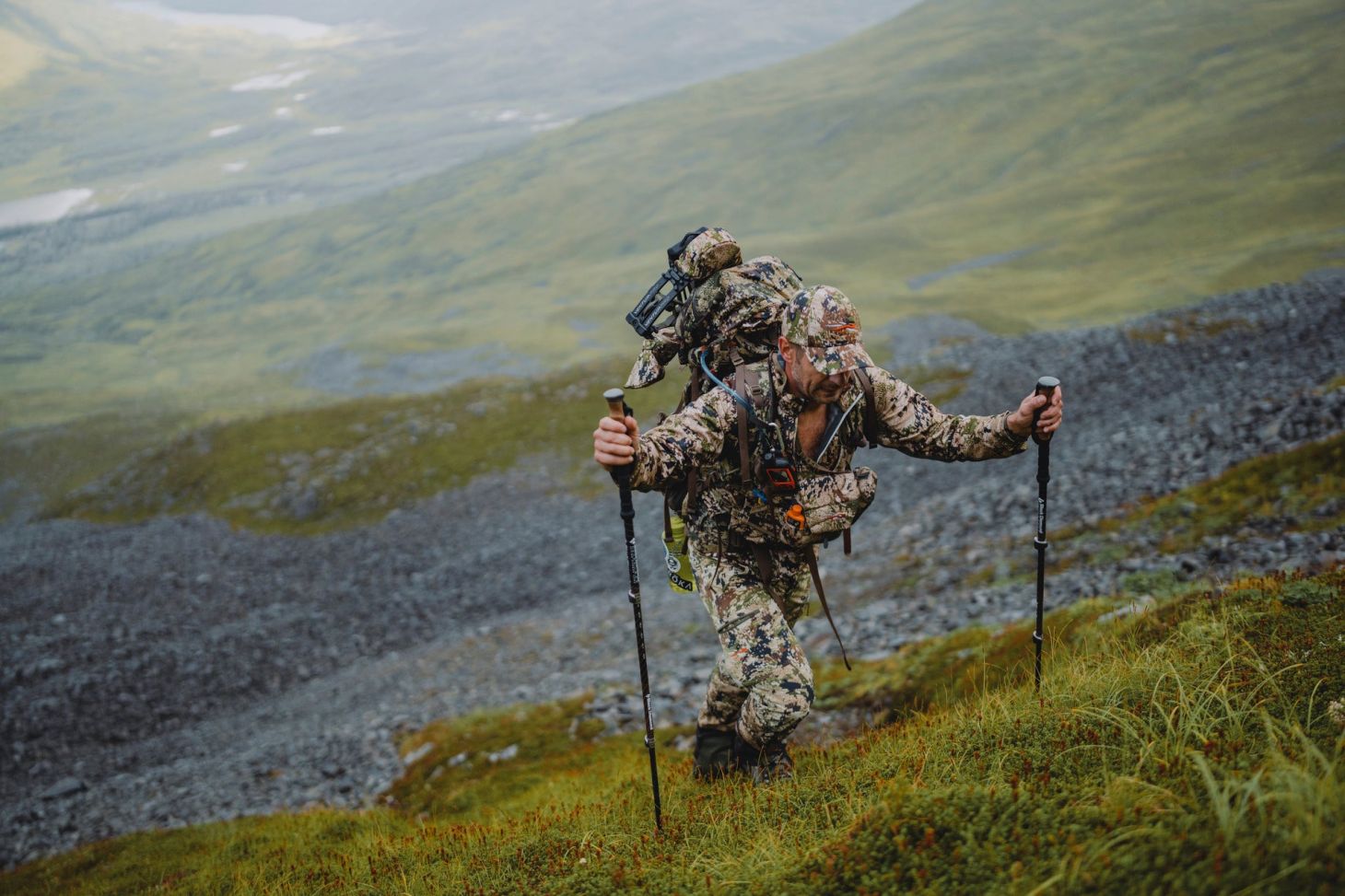
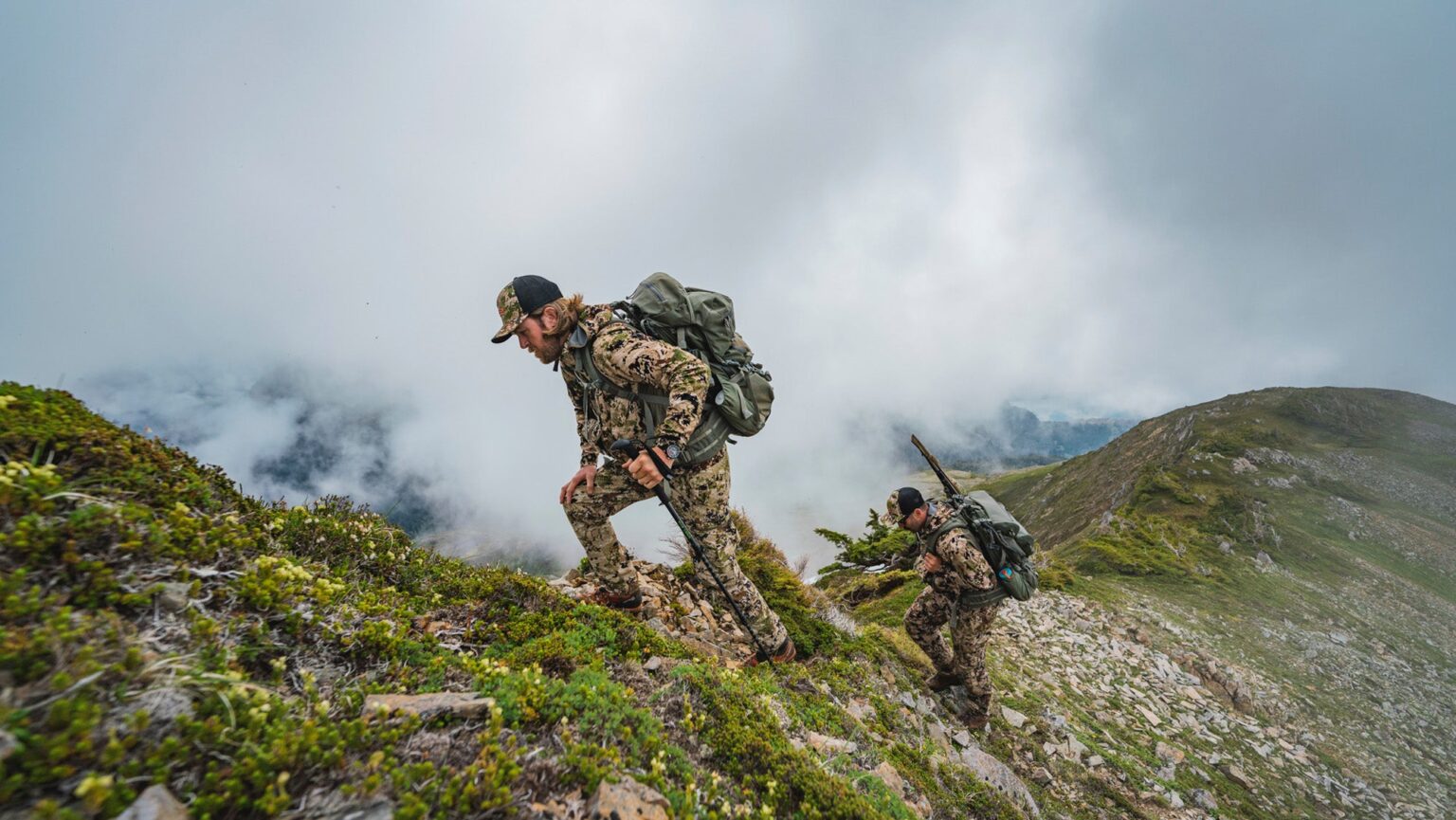
Photo of hunter climbing up a steep mountain to reflect the dangers of altitude sickness

There are three kinds of altitude sickness: acute mountain sickness, high-altitude cerebral edema, and high-altitude pulmonary edema. SITKA Gear

Altitude sickness

is caused by the body not having enough time to react to changes in air pressure and oxygen levels that come with increased elevation. And as previously noted, it’s not mountaineers who need to worry about it. Typically, any place that is 8,000 feet above sea level is considered “high altitude.” Doctors and other experts warn that even a slight change—say, flying from New Orleans to Colorado—can necessitate a few days’ adjustment.

To begin with, there are three kinds of altitude sickness: acute mountain sickness, high-altitude cerebral edema, and high-altitude pulmonary edema. Acute mountain sickness, the least severe of the bunch, might be something easy to write off as just feeling a bit sick, or even hungover. Symptoms include nausea, a turned stomach, and dizzy spells that come from sitting up. It’s common and usually self-treatable.

High-altitude cerebral edema is a fancy way of saying someone’s brain capillaries have begun to leak due to hypoxia, or oxygen deprivation. People suffering from HACE can appear drunk, as they will be clumsy, confused, and sleepy. This form of altitude sickness is dangerous enough that requires immediate medical attention, as it can lead to a coma or death.

Meanwhile, high-altitude pulmonary edema happens when the blood vessels in the lungs begin to leak fluid and fill up the lungs. It is typified by shortness of breath and by coughing up frothy, pink fluid. As you might imagine, this is incredibly dangerous and should be cared for by a doctor.

While acute mountain sickness is much less dangerous than the other two versions of altitude sickness, they’re all caused by descending too quickly, and are all treated in more or less the same way.

How to—and Not to—Prevent Altitude Sickness

Photo of a hunter descending down a steep mountain to reflect the risks of altitude sickness

The earliest signs of altitude sickness can feel like a hangover, so it’s important to not actually be hungover when climbing above 8,000 feet so you can know for sure whether you’re heading into dangerous territory or not. SITKA Gear

Once again, the only way to really prevent altitude sickness is to not ascend too quickly. That’s fairly easy advice to apply if summiting a mountain or going on a hike. If you come from a low-lying place and are traveling to somewhere mountainous, try to plan your trip over a period of five days rather than two. Once you arrive, play close attention to how your body is reacting to the new environment.

Avoid taking sedatives or drinking excessively before bedtime, because being at a high altitude already slows down your breathing. And, as previously mentioned, the earliest signs of altitude sickness can feel like a hangover. So it’s important to not actually be hungover when climbing above 8,000 feet. That way you can know for sure if you’re heading into dangerous territory and need to take some time to acclimate to your new environment.

If you feel the onset of acute mountain sickness and there’s no other plausible explanation as to why, stop climbing immediately. You can take ibuprofen to treat your headache, or get your doctor to prescribe other medications to alleviate your symptoms. But if you don’t take anything and begin to feel better within a few days, your body is giving you the go-ahead to continue on your ascent without risk of further complications.

Sometimes, though, you don’t have a say in how quickly you change altitude. Say you’re flying from somewhere like Florida to the mountains. In that case, you can ask your doctor for acetazolamide, which is a medication commonly used for glaucoma. According to the Center for Disease Control, this drug can make the process of acclimatization take only a single day, rather than four or five, by stimulating ventilation. The idea is to begin taking the pills 24 hours before arriving at your destination, and then take it for another two days once arriving.

Additionally, many people are under the mistaken impression that drinking lots of water is a good way to prevent altitude sickness. The two are not actually related. However, the symptoms of dehydration are quite similar to those of acute mountain sickness. It’s important to keep your fluid levels up so as to not confuse one for the other.

Can people become immune to altitude sickness?

A person’s tolerance for a lack of oxygen does depend, in part, on fitness levels and conditioning. That’s to say, people who live at a high altitude may be less prone to acute mountain sickness, but they’re not immune. According to a scientific survey

conducted in 2006, about 43 percent of sherpas who participated had previously experienced one symptom when climbing significantly higher than their resting altitudes.

Conversely, studies show that exposure to extreme altitudes can cause permanent changes in the body. The brains of professional mountaineers will sometimes shrink as they lose brain cells, which causes cognitive deficiencies. In fact, a 2008 article in Scientific American detailed a study by a Spanish neurologist who took MRIs of 35 climbers with high-altitude climbing experience and found brain damage in almost all of them, even if it was outwardly unnoticeable.
content_wilderness-survival,content_survival,content_stories
Field & Stream 1871 Club

THE 1871 CLUB

The best outdoor stories the way they were meant to be read: in print. 160+ pages. Coffee table-quality. 2 issues per year.

Club Magazines and Hat
JOIN THE CLUB

Recommended Products

Allie Conti

    Allie Conti is a journalist who writes both investigative and human interest stories for national outlets like Field & Stream and The New York Times. Highlights Education Conti is a graduate of the University of Florida. She earned a master’s in magazine writing from the Columbia University Graduate School of Journalism. Experience Conti is a writer and investigative journalist who lives in New York City. She spent two years at the Miami New Times and five years at Vice Magazine before going freelance in 2019. Although primarily a generalist non-fiction writer who focuses on narrative storytelling, Conti’s reporting has been recommended by The New Yorker, turned into a segment on NBC Nightly News, and highlighted on National Public Radio. She’s won both investigative and feature writing awards from the Society of Professional Journalists. Fun Fact Conti is also a licensed private investigator who is currently producing an investigative podcast about a series of cold cases in Texas. Notable Work

    Related Posts

    How to Build a Signal Fire

    March 11, 2026

    10 Uses for Duct Tape

    March 11, 2026

    4 Ingenious Uses for a Wine Cork

    March 11, 2026

    How to Build a Log-Cabin Council Fire

    January 23, 2026
    Leave A Reply Cancel Reply

    1871 CLUB
    Field & Stream 1871 Club

    JOIN THE CLUB

    Spoil your dad with a gift of a Field & Stream Membership, then go the extra mile with our exclusive Father's Day add ons.

    Father's Day Gifts
    JOIN THE CLUB TODAY

    NEWSLETTERS

    NEWSLETTERS

    Weekly recaps of the latest outdoor news, hunting and fishing tips - plus exclusive offers, giveaways and more!

    Field & Stream Newsletter Whitetail 365 The Strike Zone The Strike Zone
    SIGN UP
    F&S PICKS
    Dan Wesson Kodiak handgun on a fencepost in the woods. Handguns

    Dan Wesson Kodiak Handgun Review—Expert Tested

    Whitetail Hunting

    When Do Deer Shed Their Antlers? A Shed Hunter’s Guide

    Outdoor Gear

    The Story Behind the Turtlebox Speaker Everyone’s Talking About

    Weekly recaps of the latest outdoor news, hunting and fishing tips - plus exclusive offers, giveaways and more!

    SIGN UP
    Instagram Facebook-f X-twitter Tiktok Youtube
    Shopping
    • Military & First Responders Discount
    • Shipping
    • Returns
    Company
    • About Us
    • FAQs
    • Contact Us
    Legal
    • Affiliate Disclosure
    • Privacy Policy
    • Terms of Service
    • F&S Music Fest Refund Info
    • Privacy and cookie settings
    Partners
    • Nashville Race Weekend Sweepstakes
    • Amazon
    • Best Home Furnishings
    • F&S x Gokey Collection
    • Moultrie
    • Old Wood Signs
    • Sugarlands Distilling Co.
    • Tractor Supply Co.
    • Yuengling
    • WearSPF
    • Whiskey JYPSI
    • Field & Stream Lodge Co.
    Disclaimers

    Articles may contain affiliate links that enable us to share in the revenue of any purchases made.
    Registration on or use of this site constitutes acceptance of our Terms of Service.

    © 2026 Field & Stream All rights reserved.

    • Sitemap

    Type above and press Enter to search. Press Esc to cancel.