
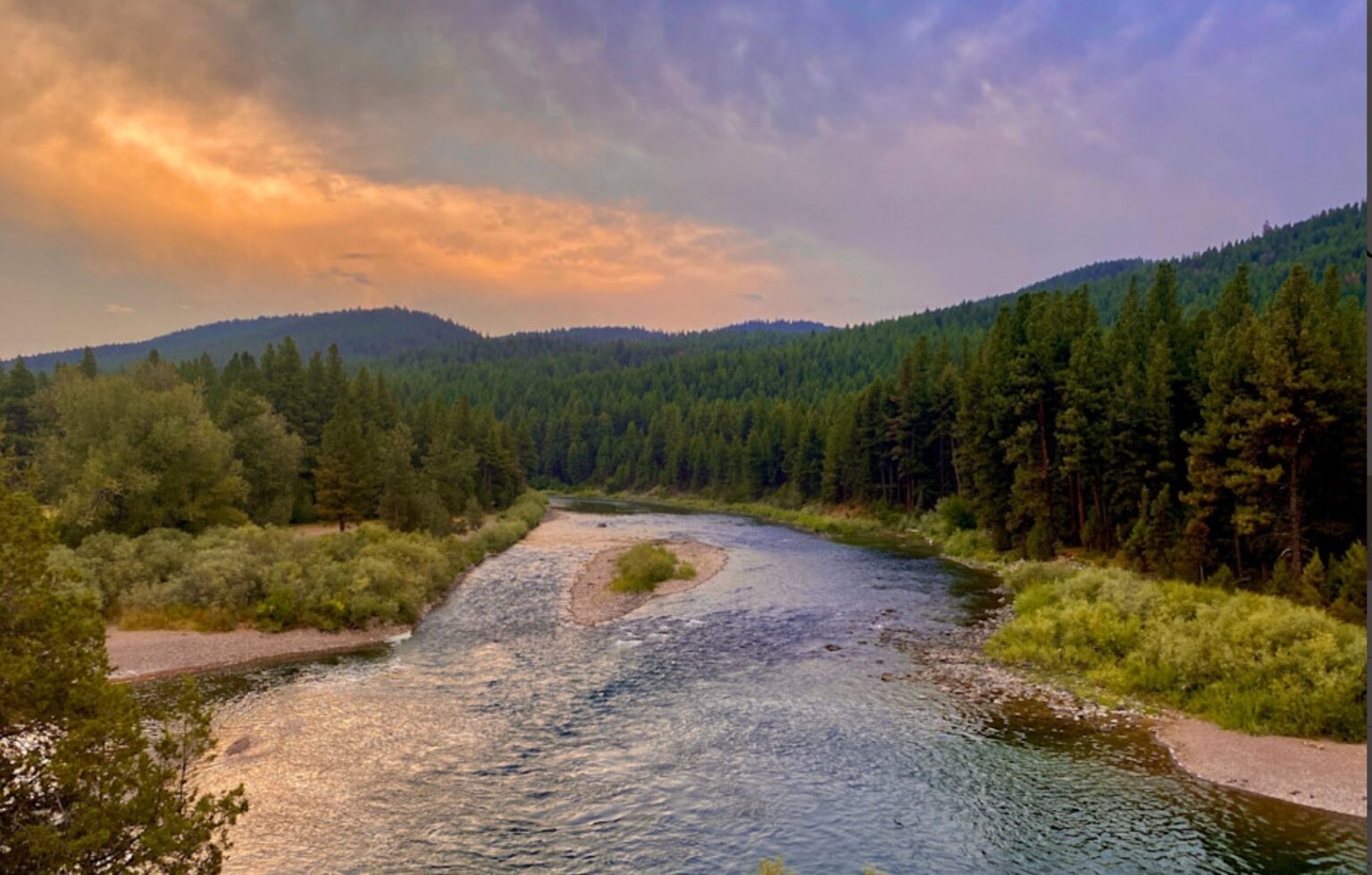
The Blackfoot River, one of Montana's most celebrated trout fisheries, faces two simultaneous development threats: a proposed gold mine in its headwaters and an AI data center on its lower banks. Both projects are advancing quickly, alarming anglers and conservationists who spent decades and millions of dollars restoring the river after a catastrophic 1975 mine failure.
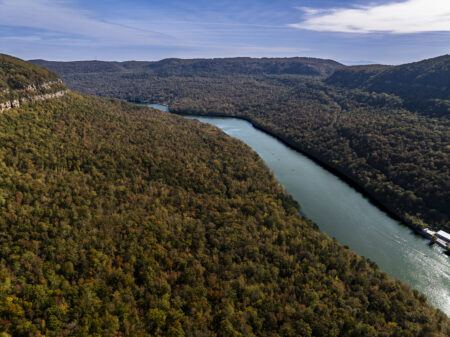
Western Montana’s Blackfoot River draws anglers from all over the world thanks to its thriving populations of brown, rainbow, and cutthroat trout. Made famous as the setting of Norman Maclean’s A River Runs Through It, the Blackfoot flows for 130 miles from its headwaters on the Continental Divide to its confluence with the Clark Fork River. But the world-renowned fishery is suddenly facing two major development threats that have anglers, residents, and local conservationists worried.
In recent days, local reporting has revealed plans for a gold mine in the Blackfoot’s headwaters and an AI data center on the banks of its lower stretch. Both proposals are moving rapidly despite serious concerns from community members and the Montana Chapter of Trout Unlimited.
“These are companies that have a singular interest in using the Blackfoot and its resources for profits that will primarily flow outside of Montana and outside of the U.S.,” David Brooks, Executive Director of Montana Trout Unlimited, tells Field & Stream. “And they’ll leave behind damages to the Blackfoot, its traditional land uses, and a blue-ribbon fishery that the community has spent decades and millions of dollars restoring.”
The Mine
According to the Missoula Current, exploration activities for an Australian-owned gold mine in the Blackfoot’s headwaters could begin as early as this spring. “The exploration would involve drilling up to 21 separate bore holes to a maximum depth of almost 2,300 feet,” the Current reports.
Brooks says the proposal sparked immediate concern when it made headlines earlier this month. “This isn’t just knee-jerk anti-mining sentiment,” he says. “It’s knowing what the history of mining has been in that valley, and what it’s taken to overcome that history.”
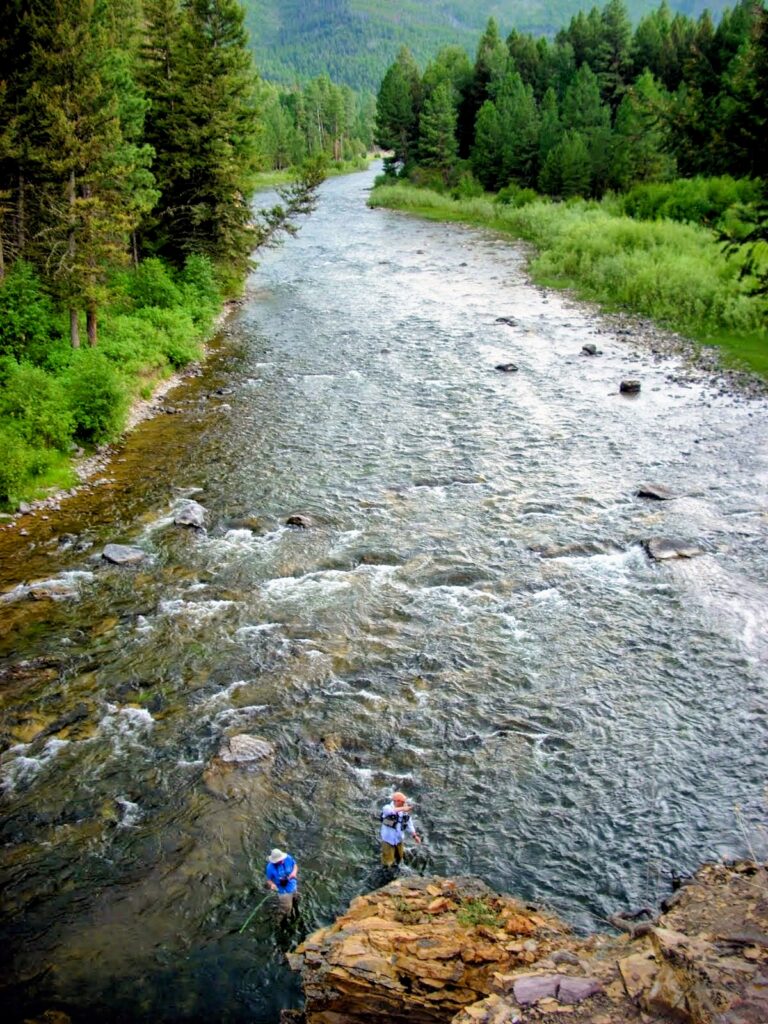
The Blackfoot suffered a catastrophic mine failure in 1975 when a tailings impoundment at a defunct mine along Mike Horse Creek—one of the river’s headwater tributaries—broke and rushed downstream, decimating the fishery. Though the area around Mike Horse Creek is still a state-managed superfund site, the Blackfoot itself has largely recovered thanks to hundreds of millions of dollars in private and taxpayer-funded stream restoration work. Today, it’s not uncommon for anglers to experience 20-fish days during guided outings on the Blackfoot. According to Blackfoot River Outfitters, the river’s cutthroat trout average between 10 and 16-inches in length, a typical rainbow measures between 16 and 18 inches, and the brown trout tend to top out around 20-inches long. It’s also one of Montana’s last-remaining holdouts for endangered bull trout.
Brooks says that Sentinel Metals—the Australian-owned company vying to build the mine—would operate on private inholdings inside US National Forest land. That’s why the plan is moving faster than similar mining proposals on land fully contained by federally-managed public land agencies—where regulations require extensive community involvement.
“Responsible mining starts with true transparency and community engagement, and we at Montana TU would welcome an open, early dialogue with Sentinel Metals to ensure that the company and its investors fully understand our concerns and why the Blackfoot is beloved by so many,” he says. “But teeing up this proposal in investor boardrooms, out of the sight of Montanans, and then dropping a permit on the public through the Department of Environmental Quality with no warning and only a 15-day public comment process is not open dialogue or community engagement.”
In a presentation shared with investors back in November, Sentinel Metals touted the project’s potential for open-pit mining. The company also said it has 155 mining claims on the public land adjacent to their inholdings, where they could expand mining operations down the road.
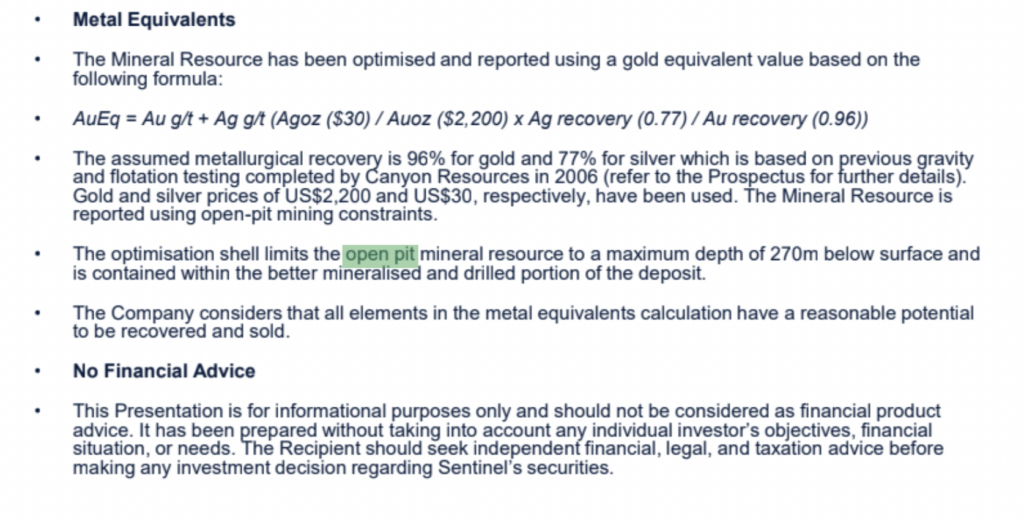
The worst impacts of a gold mine in the headwaters of the Blackfoot won’t be felt immediately but will likely surface years down the road, Brooks says. “Most of the long-term devastating impacts from mining happen late in the life of a mine as water quantity diminishes and water quality suffers,” he continues. “It tends to get bad after the mine and its operators pack up and leave, leaving Montanans holding the mess. That’s the industry’s track record in the state, and that’s why we have so many concerns with this proposal.”
The Data Center
On the opposite end of the Blackfoot, where its lower stretches flow into the Clark Fork, an AI data center proposed for an old lumber mill in the town of Bonner has sparked just as much concern as the gold mine planned for the river’s headwaters. According to the Missoula Current, an Idaho-based computer company called Krambu could have the data center up and running as early as June 2026.
Data center operators often draw inordinate amounts of water that they use to cool their servers, though Krambu claims it will used a “closed loop” system that recycles water continually. Brooks says there hasn’t been adequate consideration or study about the ways in which a data center on the banks of the Blackfoot would impact the famous fishery. “That all needs to be done before permits are issued if we’re going to continue to conserve this priceless resource for future generations,” he says. “Water usage aside, these things often require substantial grid upgrades and new transmission buildouts because they consume huge amounts of power.”
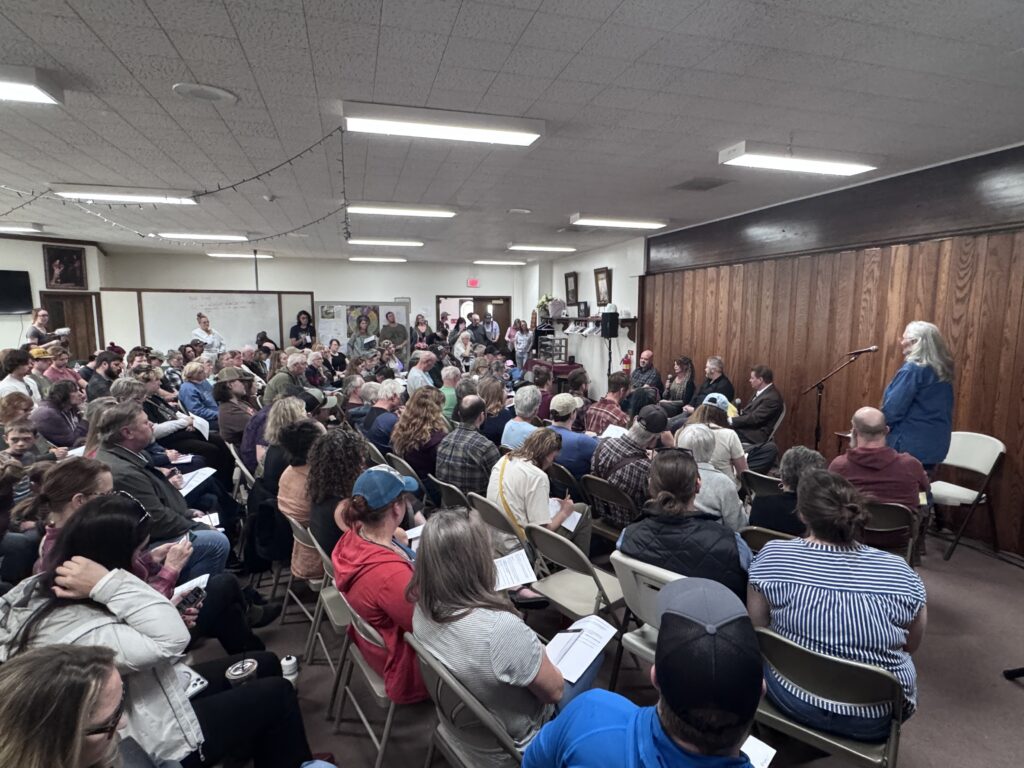
According to the Current, the data center would power about 100 square feet of servers. In its initial phase, it would use 1 megawatt of power—enough to power 800 homes for an entire year. But a Missoula county official quoted in the article said Krambu has a vision of expanding operations to use up to 100 megawatts.
Read Next: Interior Strips Protections from Alaska’s Famed Dalton Highway, Opens Public Lands to State Transfer
The added strain on the electrical grid will impact ground water and surface water quality, which could in turn hurt the cold-water fishery, Brooks says. “And we’re already dealing with historic low flows and drought conditions over the last two years on the Blackfoot,” he adds. “So what will it look like when you add a data center and all of its demands in that environment.”
The Blackfoot is not just a famous river. It is a hard-won one. The community spent decades and hundreds of millions of dollars pulling it back from the wreckage of a 1975 tailings spill, and the fishing that exists today is the direct result of that sustained effort. What is happening now is the recurring tension at the center of public lands conservation: restored resources attracting exactly the kind of industrial interest they were never meant to serve. For anglers, the Blackfoot is a reminder that fisheries don’t stay fixed. They require ongoing defense, and the threat rarely announces itself as obviously as a gold mine or a data center.
All new! 1871 Club Field Trips






1 Comment
In regards to the article about to the threats to the Blackfoot River in MT, there is also a proposed 64 acre asphalt gravel pit mine just 4 miles upstream from the proposed data center. This industrial development would change the character of this treasured, internationally revered river corridor forever. Learn more, view maps, and follow updates below.
https://www.change.org/p/stop-the-64-acre-blackfoot-corridor-asphalt-plant-and-gravel-pit?recruiter=1157334985&recruited_by_id=cf950b70-0fb9-11eb-a5da-3d07491e6160&utm_source=share_petition&utm_campaign=share_petition&utm_medium=copylink
Also- if you want to help further- sign and share the petition to reject permits for the Bonner Data Center:
https://c.org/8VvstnZ9fX
And stay informed on ways to help fight against the gold mine proposed upriver from these other two assaults on the mighty Blackfoot. Stay strong friends- hand in there- and do what you can to support the communities you care about.