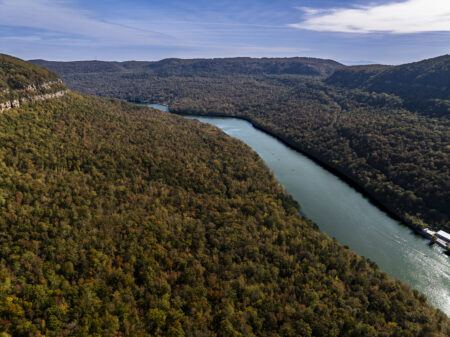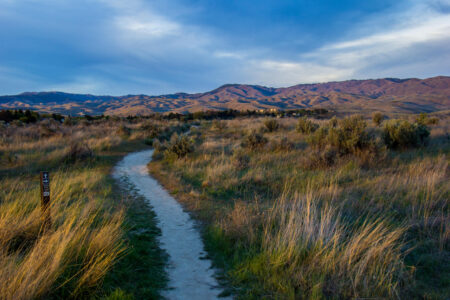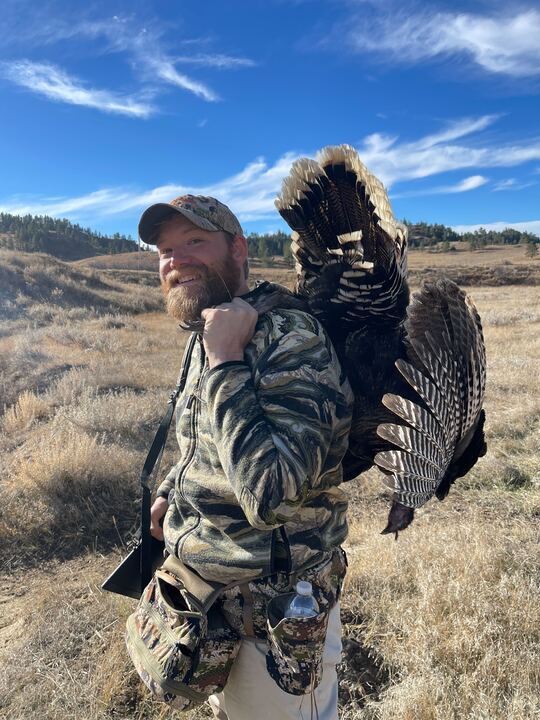
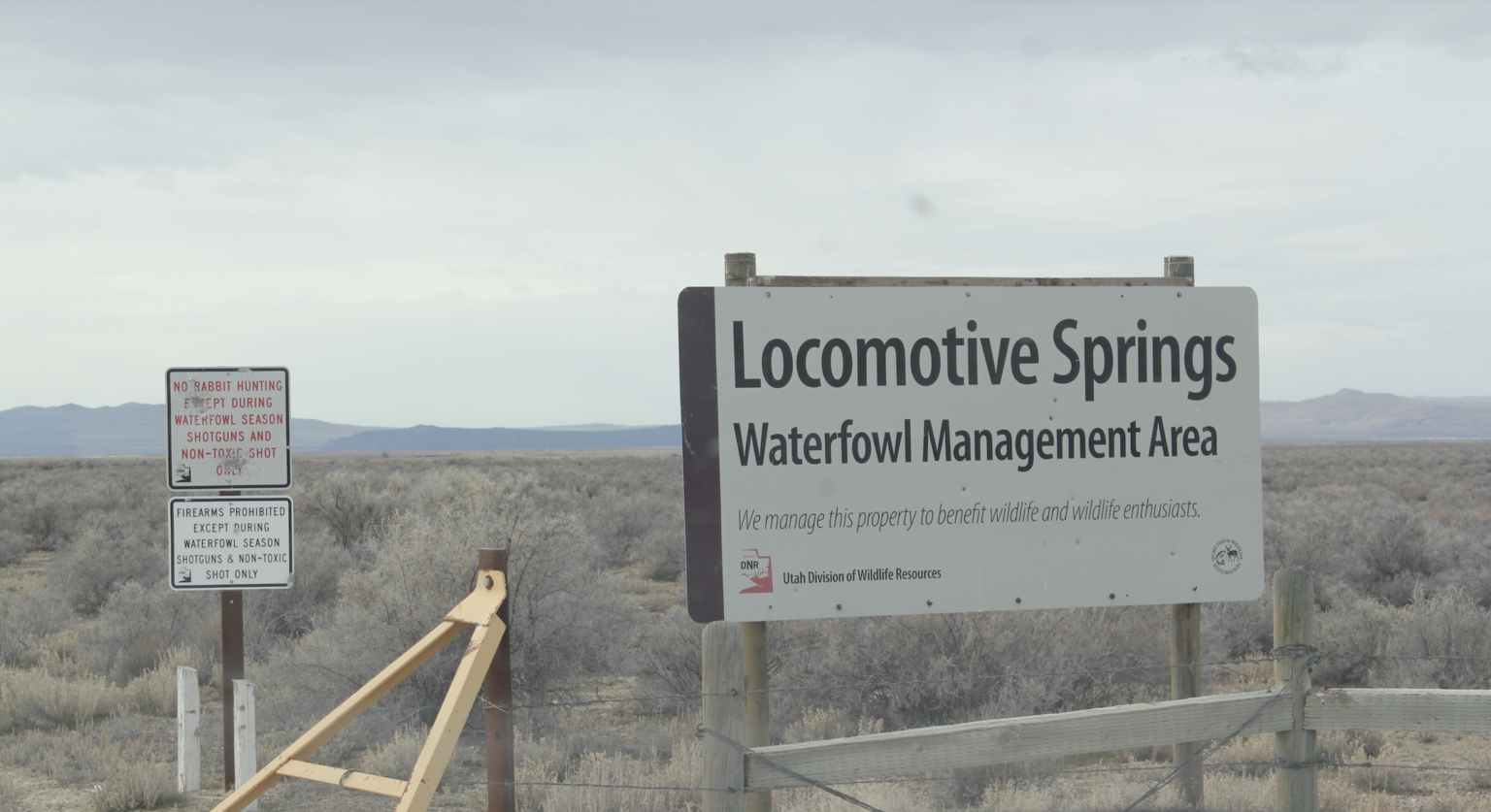
A proposed 40,000-acre data center complex in Utah could deliver the final blow to Locomotive Springs Waterfowl Management Area, an already struggling 18,000-acre refuge that was once a premier waterfowl hunting destination. The data center's water demands would compound existing water shortages caused by agricultural development that has already dried up sections of the WMA.
Utahns are up in arms over a proposal to construct a 40,000-acre data center complex on undeveloped land north of the Great Salt Lake. Despite fierce opposition, the Box Elder County data center—backed by celebrity investor Kevin O’Leary—is advancing at a rapid pace. After all three Box Elder County Commissioners voted to approve it on May 4, developers are now working to secure highly contested water rights in the area. If their water and development plans go through, the Stratos data center project will raise serious questions about the long-term viability of a once-great waterfowl hunting destination in northern Box Elder County.
A Former Waterfowl Hunting Hotspot
Locomotive Springs Waterfowl Management Area is a near 18,000-acre waterfowl refuge owned and managed by the state of Utah. Sadly, sections of the WMA have dried up today thanks to overallocation of water rights on nearby ranches. There was time, though, when Locomotive Springs drew people from all over Utah to hunt tens of thousands of ducks and geese as they stopped by on their flight path toward the Great Salt Lake.
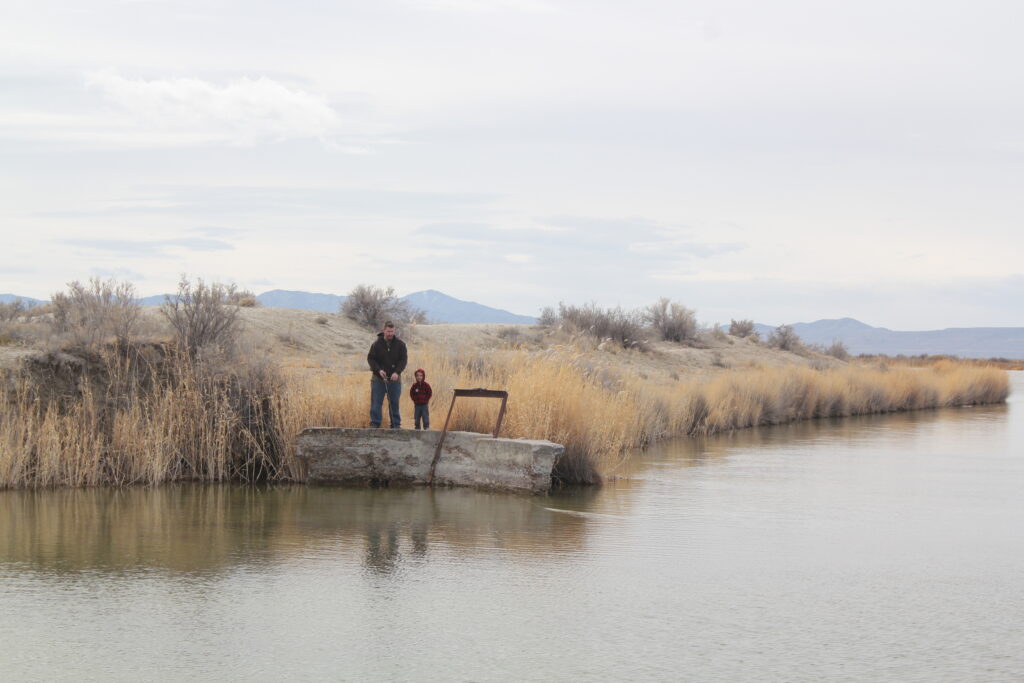
“It was amazing. It was an oasis in the middle of the sagebrush flats,” R. Jefre Hicks, a board member with both the Utah Waterfowl Association and the Utah Airboat Association, tells Field & Stream. “They named it Locomotive Springs because the water gushing through the springs sounded like a freight train to the early settlers of the area.”
Now 64, Hicks grew up waterfowl hunting at Locomotive Springs during its heyday. “By the time I could drive, I was there all the time,” he remembers. “There was tons of water running throughout most of the creeks and all of the sage brush flats out there. All the ponds were full and flush and stocked with trout. There was waterfowl everywhere. It was a great place to goose hunt.”
Water Woes
That changed, Hicks says, with the proliferation of agricultural operations in nearby ranching communities. “Both Idaho and Utah kept approving water rights for pivots,” he says. “Ranches in Stone Valley and Stoneville just sunk pivot after pivot. They’d bulldoze the sage brush, sink a pivot, then plant alfalfa and corn as far as the eye can see. And then they wonder why there’s less water now down in the wetlands.”
Today, the springs still hold habitat for waterfowl and fishing opportunity for stocked trout, but they’re severely degraded by comparison to the WMA’s early days, Hicks says. He has long believed that the Locomotive Springs Waterfowl Management Area could be restored to its former glory if the state would just prioritize its management.
He says there’s been talk in the past of Utah purchasing water rights from willing sellers and using them to benefit water-depleted areas. “Why couldn’t the state of Utah buy water rights in this area and let the water flow through Locomotive Springs, like it historically did?” he asks. “They could start tomorrow, and it could be as good as it ever was. Instead they’re championing the idea of sending scarce water to a data center.”
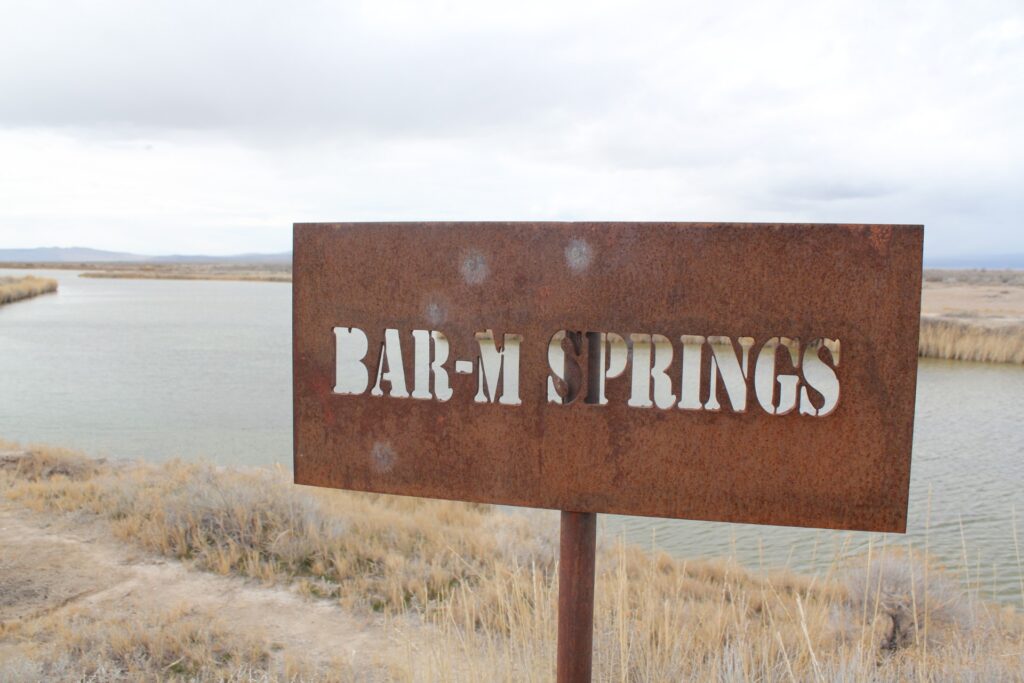
Uncertain Future for Locomotive Springs
Hicks was one of the early opponents of the fast-moving Stratos data center project, and he attended several raucous public hearings as the Box Elder County Commissioners worked toward approving the plan. Video footage of enraged citizens attending those meetings has since gone viral, as the nation grapples with new data centers popping up all over the country—and the environmental concerns that come with them.
For Hicks, hope for a true restoration of the Locomotive Springs Waterfowl Management Area is looking bleaker by the day. Now that the Box Elder County Commissioners have voted ‘yes’, opponents are switching from public protests at county commission meetings to protesting the coveted water rights that the data center’s developers are working to secure.
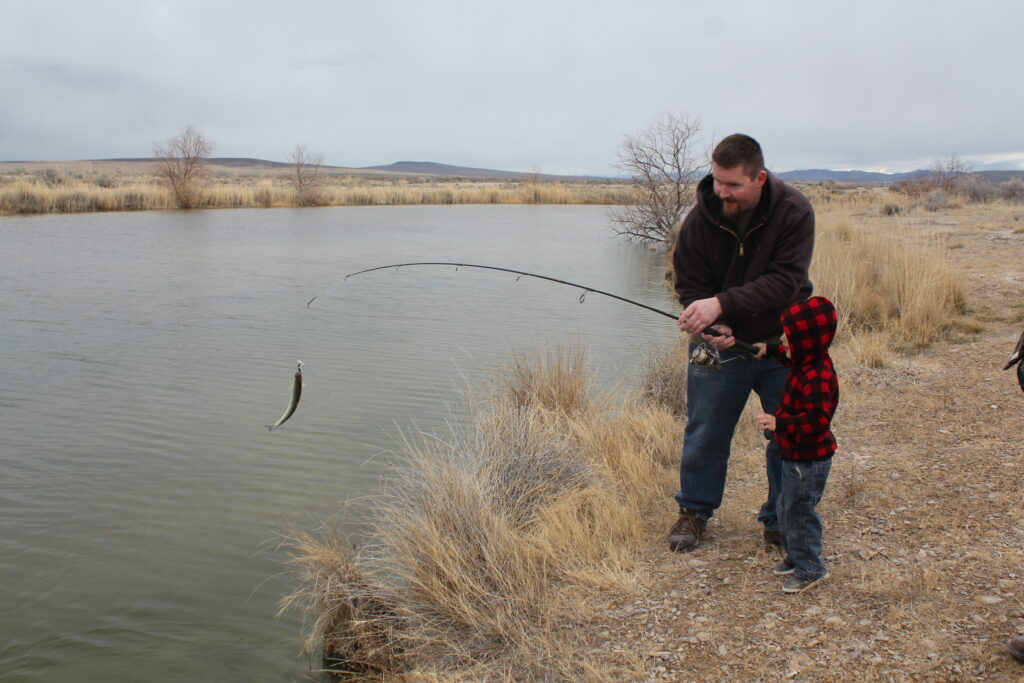
According to Hicks, more than 4,000 people paid a $15 fee to protest the data center’s first water rights application. And another 400 paid protest fees for their second waters rights application. Developers decided to withdraw their permits after the protests began to mount, Hicks says, but he doesn’t expect that to slow the process down in any meaningful way.
“Utah just re-wrote the laws in a way that’s going to allow them to push this thing through anyway because they no longer have to consider conservation and recreation when issuing water right applications,” Hicks says. “Now that the law has changed, the data center developers will re-apply and all of those previous protests, that people paid for, will be considered null and void.”
Hicks is referring to Utah’s HB60. The Utah legislature passed the bill back on Feb. 8, 20026 then Utah Gov. Spencer Cox quickly signed it into law on Feb. 12. According to Axios, HB60 removed language from the state’s water rights statutes that previously allowed the state engineer to deny permits if they “harm the public welfare or unreasonably affect recreation or the natural stream environment.”
Read Next: Feds Order Bison Off Public Lands in Montana
None of that bodes well for the future of Locomotive Springs, Hicks says, or his longstanding dream of reinvigorating the wetlands with state-owned water rights. “Even if we managed to pull that off, this data center would sprawl 40,000 acres through northern Box Elder County, right up to a mile-or-two from the boundary of Locomotive Springs,” he says. “We’re talking about enormous buildings, generators, and a gas plant to supply the generators. With all the heat and noise and disturbance that’s going to create, what bird would want to come here, even if there was a lot of water?”
The Locomotive Springs story represents a familiar pattern across the West: prime waterfowl habitat lost to competing water demands. What made this refuge special—springs so powerful early settlers compared them to freight trains—is exactly what makes the land attractive to agricultural and industrial development. For waterfowl hunters, it’s a reminder that habitat conservation often comes down to water rights, and that even state-managed refuges aren’t immune to the broader pressures reshaping Western landscapes. The data center proposal may be the latest threat, but the real damage was done years ago by pivot irrigation systems that redirected water from wetlands to crop fields.

All new! 1871 Club Field Trips