
A proposed rule change within the US Fish & Wildlife Service (USFWS) could open the door for development that would degrade critical wetlands inside the Prairie Potholes region. USFWS opened a public comment period about the changes on July 24 with a short window to comment ending on August 7.
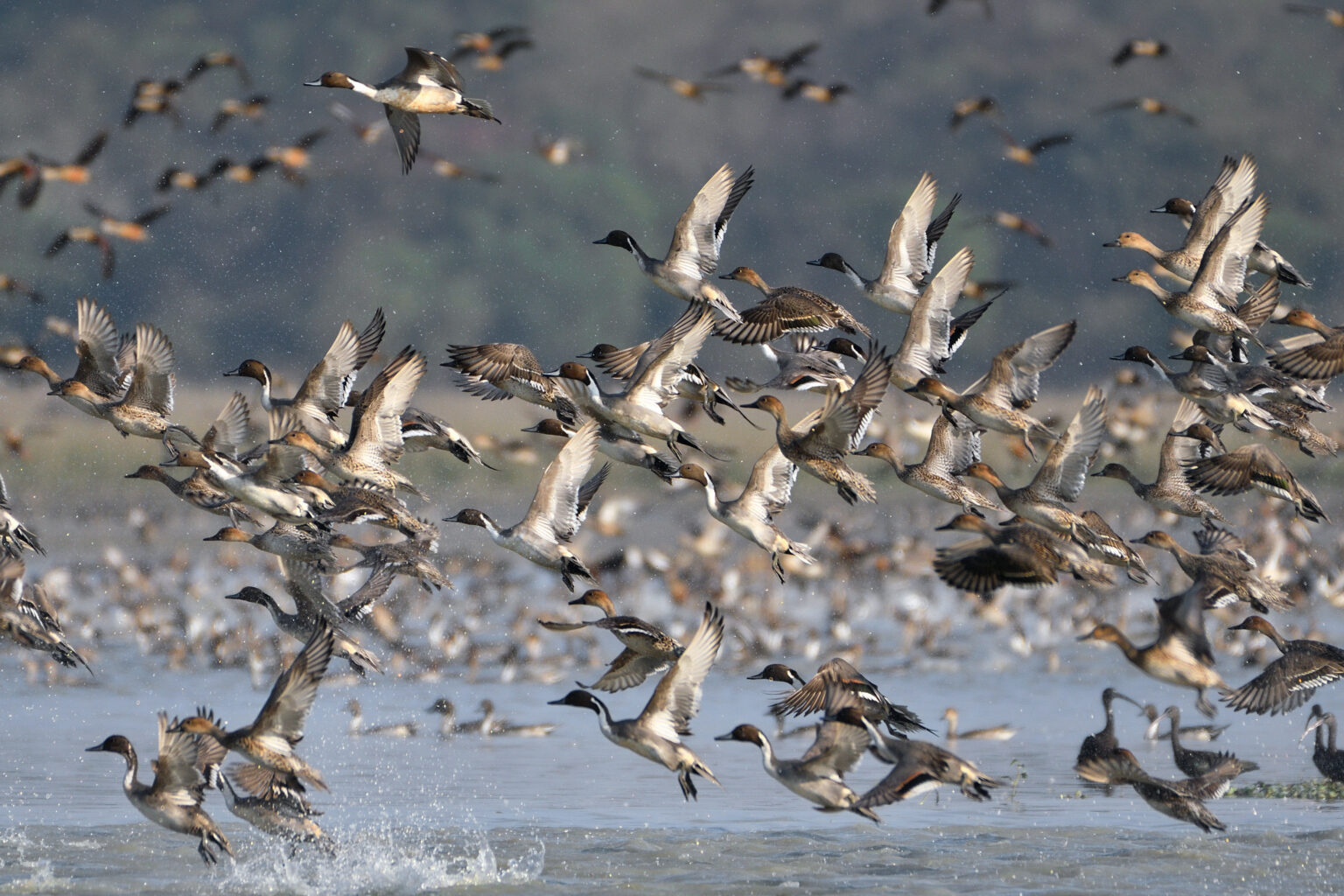
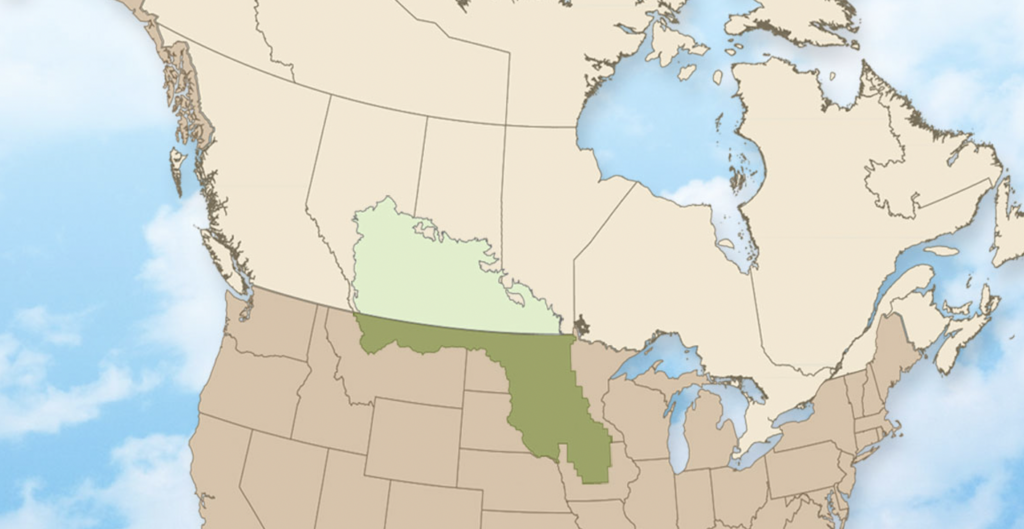
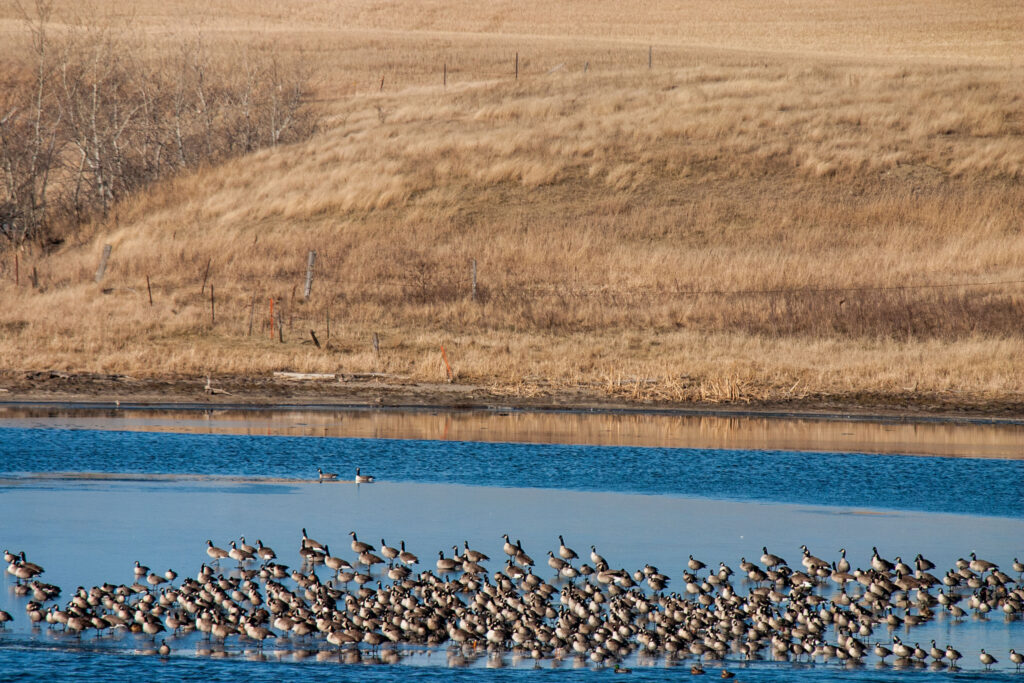
Known as the Duck Factory of North America because of its critical waterfowl breeding grounds, the Prairie Potholes region is one of the most important ecosystems on the planet. Sprawling through large portions of the Dakotas, Montana, Iowa, Minnesota, and well into Canada, it’s a bucket-list destination for waterfowlers from all over the country. According to the National Wildlife Federation, it provides habitat for more than 50 percent of the North American waterfowl population. Duck species like blue-winged teal, pintail, canvasback, and northern shovelers breed here in big numbers every spring.
Because of its critical importance for the health of America’s duck population, hunters contribute directly to ongoing conservation efforts in the Prairie Potholes year after year. One important example of that is the US Fish & Wildlife Service’s Small Wetlands Acquisition Program.
Established in 1958, this program uses money generated by federal Duck Stamp sales to purchase voluntary conservation easements inside the Prairie Potholes. In exchange for payouts, participating landowners have agreed to keep wetlands on their property permanently intact.
Those easements are supposed to run in perpetuity, even after a new buyer purchases the land. To date, the US Fish & Wildlife Service has purchased an estimated $397 million worth of wetlands conservation easements in the Prairie Pothole region using Duck Stamp dollars.
Easements At Risk
Among other protections, these easements prevent the use of large underground drainage pipes (known as drain tiles) within a certain proximity of wetland areas. That rule keeps the Prairie Potholes from drying up. Without it, hunters could see a 20 to 50 percent reduction in the overall duck-breeding capacity of the region, according to some estimates.
The Service’s plan to review and possibly strike down a rule that keeps drain tiles a safe distance from easement-protected wetlands has sparked heavy opposition. Groups like Ducks Unlimited and Delta Waterfowl are encouraging their members to comment, and to tell US Fish & Wildlife Service to keep the “Drain Tile Setback Rule” in place.
“For more than 60 years, administrations of both parties have upheld these voluntary easement agreements, protecting habitat that Americans have already paid to conserve,” DU wrote in a statement posted to their Instagram page on July 27. “Weakening these protections could open the door to the drainage of federally protected wetlands at a time when waterfowl populations are already under pressure and hunting opportunities face increasing challenges.”
Retired Migratory Bird Chief Speaks Out
Brad Bortner worked as a migratory bird biologist with the US Fish & Wildlife Service for 33 years, ending his career as Chief of the Service’s Migratory Bird Division in 2017. He tells Field & Stream, that any easing of restrictions on drain tile placement near easement-protected wetlands would have detrimental, long-lasting impacts on the future of duck hunting in America. “These are wetlands that have been protected by hunters with Duck Stamp dollars in order to produce more waterfowl,” Bortner adds. “These areas are critical for the future of duck hunting in America. And as habitat loss intensifies, they’re only becoming more important.”
Read Next: Feds to Open Ohio’s Only National Forest to Fracking
In a recently published online notice, USFWS stated that “the Service has determined that it is necessary to withdraw the rule.” But in its public statement on Instagram, Ducks Unlimited said that the rule is working.
“It protects critical waterfowl habitat, provides certainty for landowners through science-based setback plans,” the organization added, “and preserves the integrity of conservation easements that have delivered enormous benefits for wildlife and hunters alike.”
If you’d like to submit a public comment, you can do so here.
All new! 1871 Club Field Trips



1 Comment
Please leave the protections for the prairie potholes in place. This is an invaluable resource for millions of migratory birds, that migrate from all over the US and from Central and South America.
It also provides habitat for many other varieties of wildlife.
Without the potholes, many bird species will suffer a devastating blow that would be difficult if not impossible to rebound from.
Please don’t try to “fix” it, it’s not broken!