Close Menu
  • Stories
    • Hunting
      • Big Game Hunting
        • Elk Hunting
        • Bear Hunting
      • Deer Hunting
        • Whitetail Hunting
        • Mule Deer Hunting
      • Predator Hunting
        • Bobcat Hunting
      • Small Game Hunting
      • Bird Hunting
      • Dogs
        • Hunting Dogs
        • Canine Gear & Accessories
      • Turkey Hunting
      • Waterfowl Hunting
        • Duck Hunting
    • Fishing
      • Freshwater Fishing
        • Bass Fishing
        • Catfishing
        • Trout Fishing
        • Pike & Muskie Fishing
      • Saltwater Fishing
        • Striped Bass Fishing
      • Ice Fishing
      • Fly Fishing
    • Guns
      • Ammo
        • Handguns Ammo
        • Shotguns Ammo
        • Rifles Ammo
      • Rifles
      • Handguns
      • Shotguns
    • Survival
      • Survival Food
      • Wilderness Survival
      • All Survival
    • Conservation
      • Hunting Conservation
      • Fishing Conservation
      • Public Lands & Waters
      • Wildlife Conservation
    • Cooking
      • Recipes
  • Outdoor Gear
    • Hunting
      • Big Game Hunting
      • Bird Hunting
      • Bow Hunting
        • Crossbows
        • Compound Bows
      • Boots
      • Hunting Calls & Decoys
      • Knives
      • Hunting Apparel & Accessories
      • Optics
        • Binoculars
        • Scopes and Sights
        • Rangefinders
      • Trail Cameras
      • Waterfowl Hunting
      • Turkey Hunting
    • Fishing
      • Baits, Lures, and Flies
      • Fishing Reels
      • Fishing Rods
      • Fly Fishing
    • Guns
      • Ammo
        • Shotgun Ammo
        • Rifle Ammo
        • Handgun Ammo
      • Handguns
      • Shotguns
      • Rifles
    • Camping & Outdoor Rec
      • Auto & Truck
      • Camping Gear
      • Hiking & Backpacking
    • Gift Guides
    • Cooking
      • Cooking Gear
  • Shop
    • Shop Field & Stream
      • F&S Shop
      • Hunting
      • Fishing
      • Camping & Hiking
      • Clothing
      • Footwear
      • Gear
      • Outdoor Living
      • Member Merch
      • Journals
      • Gift Cards
      • Membership Gift Card
      • Merchandise Gift Card
    • Shop Field & Stream at:
      • Tractor Supply Co.
      • Amazon
      • Moultrie
      • Yuengling
      • Old Wood Signs
      • Best Home Furnishings
      • Sugarlands Distilling Co.
      • Gokey
      • WearSPF
  • F&S TV
  • Membership
    • Subscription Plans
    • Free Membership
    • Member Login / Create an Account
    • Gift a Subscription
      • Premium Membership
      • Print Membership
Search
Facebook X (Twitter) Instagram
Join the 1871 Club to access two limited-edition Father's Day gifts · LEARN MORE
Field & Stream
  • Stories
    • Hunting
      • Big Game Hunting
        • Elk Hunting
        • Bear Hunting
      • Deer Hunting
        • Whitetail Hunting
        • Mule Deer Hunting
      • Predator Hunting
        • Bobcat Hunting
      • Small Game Hunting
      • Bird Hunting
      • Dogs
        • Hunting Dogs
        • Canine Gear & Accessories
      • Turkey Hunting
      • Waterfowl Hunting
        • Duck Hunting
    • Fishing
      • Freshwater Fishing
        • Bass Fishing
        • Catfishing
        • Trout Fishing
        • Pike & Muskie Fishing
      • Saltwater Fishing
        • Striped Bass Fishing
      • Ice Fishing
      • Fly Fishing
    • Guns
      • Ammo
        • Handguns Ammo
        • Shotguns Ammo
        • Rifles Ammo
      • Rifles
      • Handguns
      • Shotguns
    • Survival
      • Survival Food
      • Wilderness Survival
      • All Survival
    • Conservation
      • Hunting Conservation
      • Fishing Conservation
      • Public Lands & Waters
      • Wildlife Conservation
    • Cooking
      • Recipes
  • Outdoor Gear
    • Hunting
      • Big Game Hunting
      • Bird Hunting
      • Bow Hunting
        • Crossbows
        • Compound Bows
      • Boots
      • Hunting Calls & Decoys
      • Knives
      • Hunting Apparel & Accessories
      • Optics
        • Binoculars
        • Scopes and Sights
        • Rangefinders
      • Trail Cameras
      • Waterfowl Hunting
      • Turkey Hunting
    • Fishing
      • Baits, Lures, and Flies
      • Fishing Reels
      • Fishing Rods
      • Fly Fishing
    • Guns
      • Ammo
        • Shotgun Ammo
        • Rifle Ammo
        • Handgun Ammo
      • Handguns
      • Shotguns
      • Rifles
    • Camping & Outdoor Rec
      • Auto & Truck
      • Camping Gear
      • Hiking & Backpacking
    • Gift Guides
    • Cooking
      • Cooking Gear
  • Shop
    • Shop Field & Stream
      • F&S Shop
      • Hunting
      • Fishing
      • Camping & Hiking
      • Clothing
      • Footwear
      • Gear
      • Outdoor Living
      • Member Merch
      • Journals
      • Gift Cards
      • Membership Gift Card
      • Merchandise Gift Card
    • Shop Field & Stream at:
      • Tractor Supply Co.
      • Amazon
      • Moultrie
      • Yuengling
      • Old Wood Signs
      • Best Home Furnishings
      • Sugarlands Distilling Co.
      • Gokey
      • WearSPF
  • F&S TV
  • Membership
    • Subscription Plans
    • Free Membership
    • Member Login / Create an Account
    • Gift a Subscription
      • Premium Membership
      • Print Membership
JOIN THE 1871 CLUB
Join the 1871 Club Today - Spring Journal Ships in April
Field & Stream
Home / Stories / Survival / Wilderness Survival / What Is the Most Poisonous Spider in the World?
Wilderness Survival

What Is the Most Poisonous Spider in the World?

Steven HillBy Steven HillJanuary 23, 2026

FIELD & STREAM NEWSLETTERS

ALL F&S NEWSLETTERS

Of all the creeping, crawling critters that potentially pose problems for humans, spiders occupy a special niche. Unlike the biting, stinging pests such as hornets, wasps, snakes, and ticks that hunters encounter mostly while outdoors, spiders are just as likely to be found indoors, in our homes and hunting camps. And, while the popular myth that humans swallow eight spiders a year while they slumber is almost certainly false

, that’s cold comfort when a big daddy longlegs scurries out of your sleeping bag at bedtime. But what is the most “poisonous” spider in the world?

In fact, not one of the more than 50,000 known spider species in the world is “poisonous”—technically, that term applies to organisms like the poison dart frog and other amphibians that carry toxins in their skin, which they can pass along when handled or eaten. Spiders, on the other hand, like snakes and stinging insects, inject venom to disable prey. Nearly all the 50,000 known spider species are venomous, but only about 25 have venom that’s powerful enough to cause serious injury or death to humans

.

Table of Contents

  • What is the most poisonous spider in the world?

  • What are the most poisonous U.S. spiders?

  • Avoiding spider bites

What is the most poisonous spider in the world?

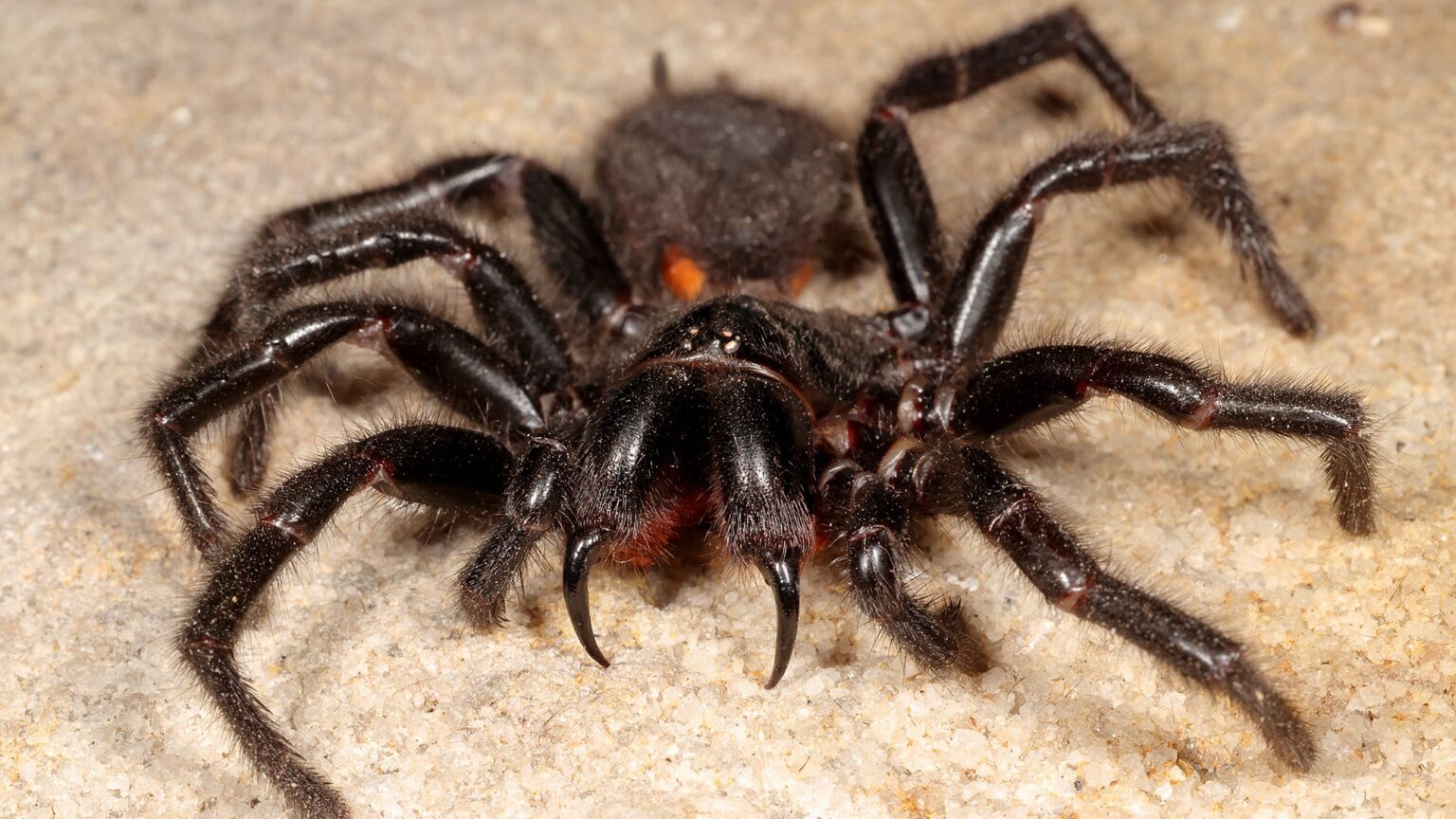
Call it poisonous, venomous, or just plain nasty, the spider that delivers the bite considered most dangerous to humans is the Sydney funnel-web spider (Atrax robustus). Males of this native Australian species inject a venom packed with 40 different toxic proteins that can kill a human within minutes, and it takes only a tiny amount—about 0.2 milligrams per kilogram of body weight—to be fatal. Venom from a female Sydney funnel-web is four to six times less potent than from a male. There have been 13 known deaths attributed to these spiders in the last century, but none since the early 1980s, when an effective anti-venom was developed. Still, the funnel-web’s aggressive nature and extraordinarily quick-acting venom—said to be capable of killing an adult human within 15 minutes—make it widely feared in the Sydney area. 

Many species of funnel spiders can be found around the world, including in the United States. (The spiders get their name from the funnel-shaped webs they build outside their ground burrows, designed to trap insects long enough for the predators to rush out of their holes and pounce.) Ironically, however, what is the most poisonous spider in the world doesn’t translate in the U.S., as funnel-web spiders commonly found in the North America, are not a threat to humans. 

What is the most poisonous spider in the U.S.?
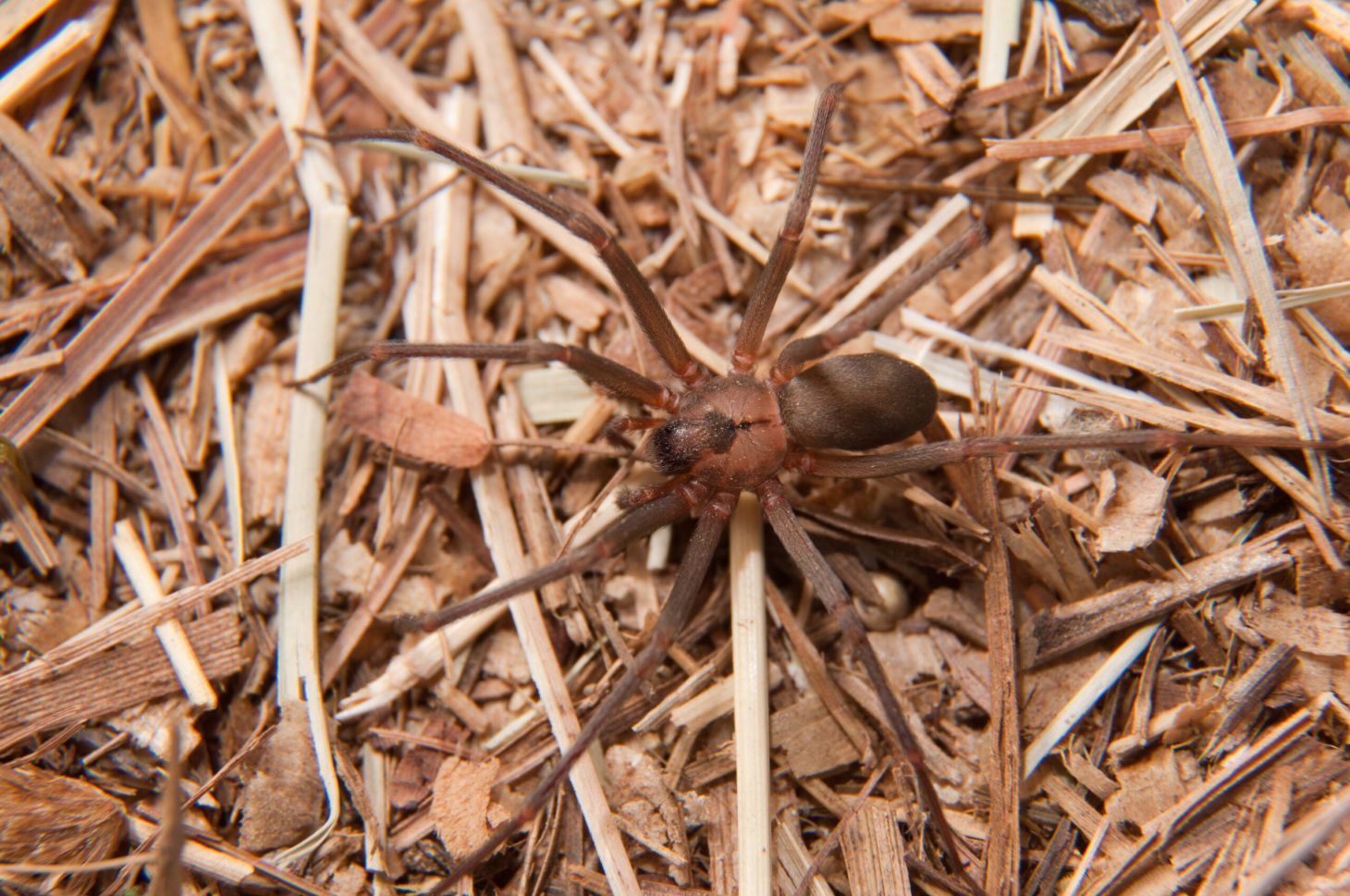
Photo of a brown recluse in the U.S.

The venom of a brown recluse (Loxosceles reclusa) contains a protein that attacks the cell membranes in tissue, destroying the walls of blood vessels. Adobe Stock / pimmimemom

That distinction belongs to a pair of species singled out by the U.S. Centers for Disease Control and Prevention

as particularly dangerous: the black widow and the brown recluse.

The black widow (Latrodectus mactans) is the more aggressive of the two, accounting for more than 2,500 visits to U.S. poison control centers annually, and its venom is reportedly 15 times stronger than a rattlesnake’s. Most black widow bites occur when people inadvertently disturb their webs, which can be found in woodpiles, garages, basements, barns and—of particular concern for hunters’ whose deer camps include an outhouse—outdoor toilets that attract flies, the spider’s favorite prey. A black widow bite is distinctive for the two puncture marks it leaves in the skin. The bite may feel like a pinprick, but the neurotoxin it injects can spread from the bite area to the chest, abdomen, or the rest of the body, where it can cause severe muscle pain and cramping, nausea, and breathing difficulty. Despite its reputation as a potential killer, no U.S. fatalities have been attributed to black widows for decades, and most bite victims recover without serious complications. A black widow can be identified by the distinctive red pattern on its underside.

The venom of a brown recluse (Loxosceles reclusa) contains a protein that attacks the cell membranes in tissue, destroying the walls of blood vessels. A bite that starts as a small white blister can grow into a large skin ulcer that takes several months to heal. Fatalities, which are rare, are usually caused by an infection created by these slow-healing wounds, so getting medical attention is key. While commonly found throughout the Midwest and South, brown recluses are thought to be over-reported, since they can often be mistaken for other spider species. The distinctive feature of the brown recluse is the dark fiddle-shaped marking on its back that gives it the common name “violin spider.” Recluses, as the name implies, go out of their way to avoid a confrontation. In fact, they cannot bite humans, the CDC reports, “without some form of counter pressure, for example, through unintentional contact that traps the spider against the skin.”  

Avoiding spider bites
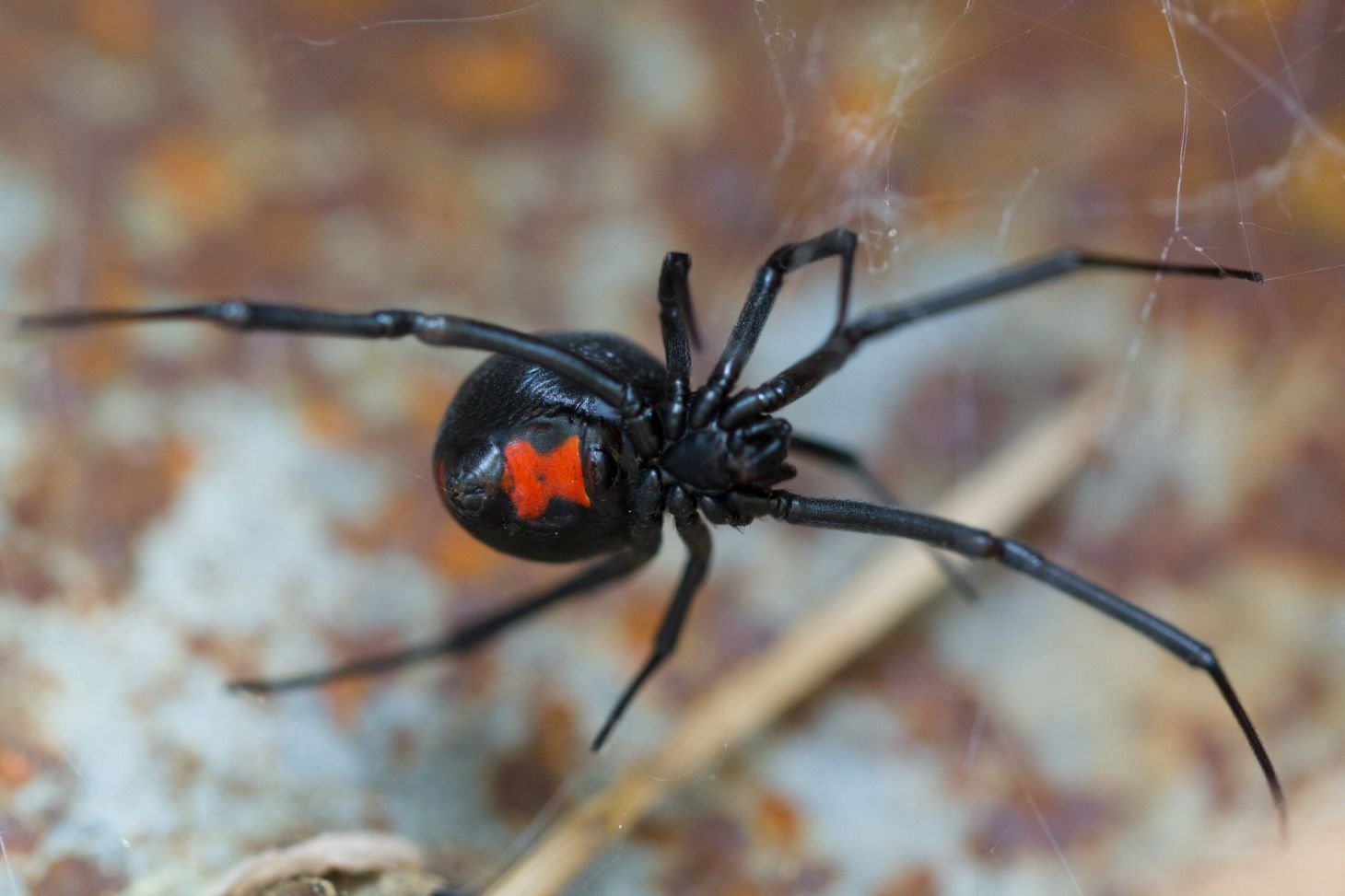
Photo of a black widow in the U.S.

The black widow (Latrodectus mactans) is particularly aggressive, accounting for more than 2,500 visits to U.S. poison control centers annually, and its venom is reportedly 15 times stronger than a rattlesnake’s. Adobe Stock / Sharon Keating

If you encounter a spider in Australia, it’s worth investigating “what is the most poisonous spider in the world.” However, less than 0.0005 percent of all spider species on the planet are a threat to humans, and any given locality on the planet is likely to contain, at most, two or three species classified as “medically significant” to humans. Add to that the reality that most spiders you’re likely to encounter in North America would much rather escape than attack, and your odds of running into serious trouble due to a spider bite are low. Still, an ounce of prevention, as the saying goes, beats a trip to the emergency room.

  • To avoid direct contact with spiders, use gloves when moving firewood or cleaning out long-undisturbed sites like storage sheds or camp cabins.

  • Inspect or shake out any clothing, shoes, towels or bedding before use, and consider storing clothing or outdoor equipment in tightly closed plastic bags. 

  • Shake out your boots before slipping them on for that late-night outhouse run. A trapped spider is a dangerous spider.

  • Keep your tetanus shot up to date. According to the CDC, spider bites can become infected with tetanus spores. If you haven’t had one in the last ten years, it’s time for a booster.

  • If you do get bitten, wash the bite area with soap and water, then apply ice to reduce swelling. Consider seeking medical attention if symptoms are serious or if you know you’ve been bitten by a venomous spider.

content_wilderness-survival,content_survival,content_stories
Field & Stream 1871 Club

THE 1871 CLUB

The best outdoor stories the way they were meant to be read: in print. 160+ pages. Coffee table-quality. 2 issues per year.

Club Magazines and Hat
JOIN THE CLUB

Recommended Products

Steven Hill

    Steven Hill began freelancing for Field & Stream in 1998 when he covered Kansas and Nebraska for the Midwest news section. He has since written dozens of news, how-to, and feature articles on a wide range of topics. Highlights Education Hill graduated from the University of North Carolina-Wilmington with a bachelor of arts in English and from Columbia University with a master of fine arts in creative writing. Experience A bowhunter who enjoys the entire whitetail deer experience, from hunting to butchering to cooking, Hill has written extensively for Field & Stream’s Whitetail Handbook section and the popular Rut Report. In addition to his work for Field & Stream, he has published in many magazines, including Sports Illustrated, Sports Afield, Wing & Shot, Humanities, and Publishers Weekly. He’s also written for several newspapers, including the Chicago Tribune, Dallas Morning News, Atlanta Journal-Constitution, and the Kansas City Star. A Kentucky native who got his introduction to the outdoors fishing for bluegills and hunting rabbits and squirrels, Hill lives now in Kansas. F&S Lightning Round Favorite Place to Fish: Glenns Creek, Kentucky,Favorite Critter to Hunt: Pheasants,Bucket List Adventure: Serengeti photo safari,Most Prized Piece of Gear: Shakespeare Scooby-doo fishing rod for my kids,All-Time Favorite F&S Story: “Lilyfish” by Bill Heavey Notable Work

    Related Posts

    How to Build a Signal Fire

    March 11, 2026

    10 Uses for Duct Tape

    March 11, 2026

    4 Ingenious Uses for a Wine Cork

    March 11, 2026

    How to Build a Log-Cabin Council Fire

    January 23, 2026
    Leave A Reply Cancel Reply

    1871 CLUB
    Field & Stream 1871 Club

    JOIN THE CLUB

    Spoil your dad with a gift of a Field & Stream Membership, then go the extra mile with our exclusive Father's Day add ons.

    Father's Day Gifts
    JOIN THE CLUB TODAY

    NEWSLETTERS

    NEWSLETTERS

    Weekly recaps of the latest outdoor news, hunting and fishing tips - plus exclusive offers, giveaways and more!

    Field & Stream Newsletter Whitetail 365 The Strike Zone The Strike Zone
    SIGN UP
    F&S PICKS
    An ATV rider on public lands in the West. Conservation

    Trump Orders More Off-Road Vehicle Use on America’s Public Lands

    Federal’s new 6.5 Creedmoor +PEAK standing on a scope turret. Rifle Ammo

    Ammo Review: Federal’s New 6.5 Creedmoor +PEAK Is the Next Step in a Rifle Cartridge Revolution

    Knives

    The Best Early Prime Day Knife Deals—Starting at Just $11

    Weekly recaps of the latest outdoor news, hunting and fishing tips - plus exclusive offers, giveaways and more!

    SIGN UP
    Instagram Facebook-f X-twitter Tiktok Youtube
    Shopping
    • Military & First Responders Discount
    • Shipping
    • Returns
    Company
    • About Us
    • FAQs
    • Contact Us
    Legal
    • Affiliate Disclosure
    • Privacy Policy
    • Terms of Service
    • F&S Music Fest Refund Info
    • Privacy and cookie settings
    Partners
    • Nashville Race Weekend Sweepstakes
    • Amazon
    • Best Home Furnishings
    • F&S x Gokey Collection
    • Moultrie
    • Old Wood Signs
    • Sugarlands Distilling Co.
    • Tractor Supply Co.
    • Yuengling
    • WearSPF
    • Whiskey JYPSI
    • Field & Stream Lodge Co.
    Disclaimers

    Articles may contain affiliate links that enable us to share in the revenue of any purchases made.
    Registration on or use of this site constitutes acceptance of our Terms of Service.

    © 2026 Field & Stream All rights reserved.

    • Sitemap

    Type above and press Enter to search. Press Esc to cancel.