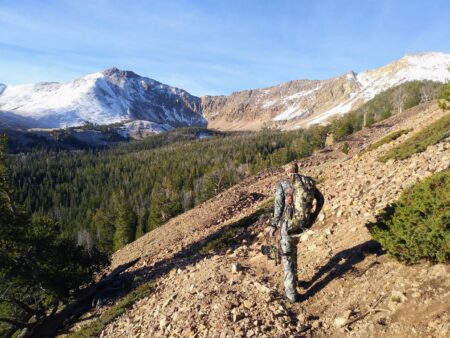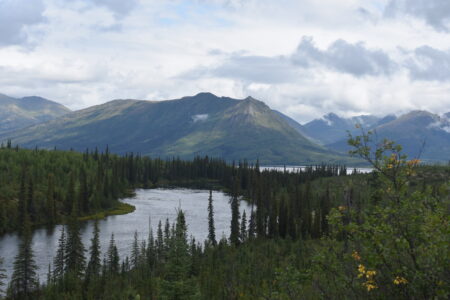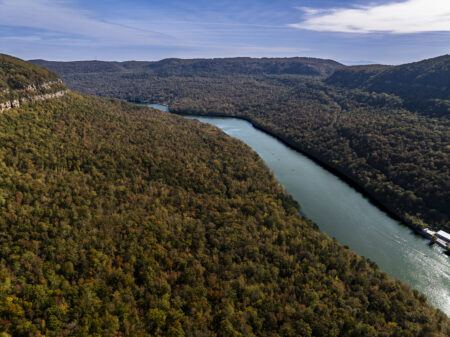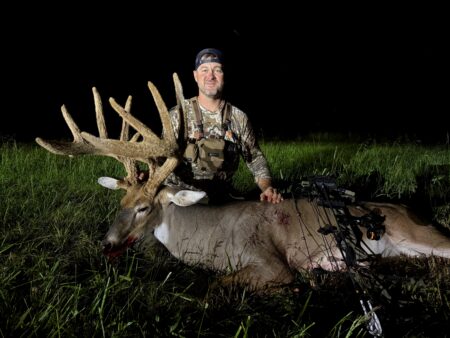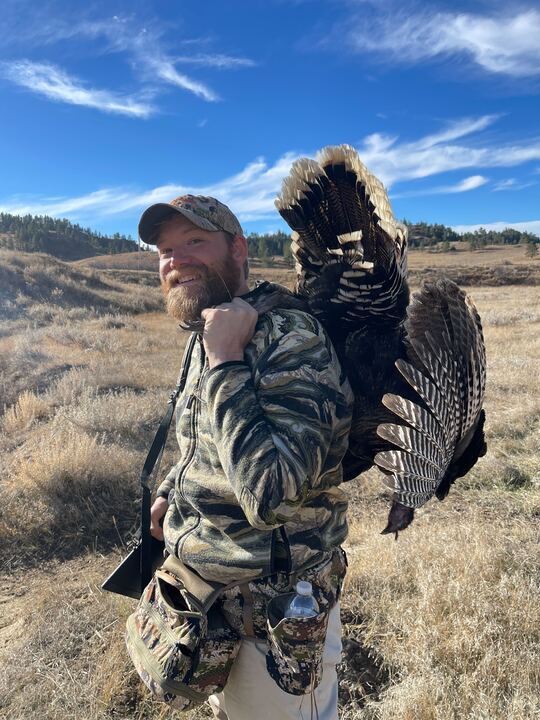
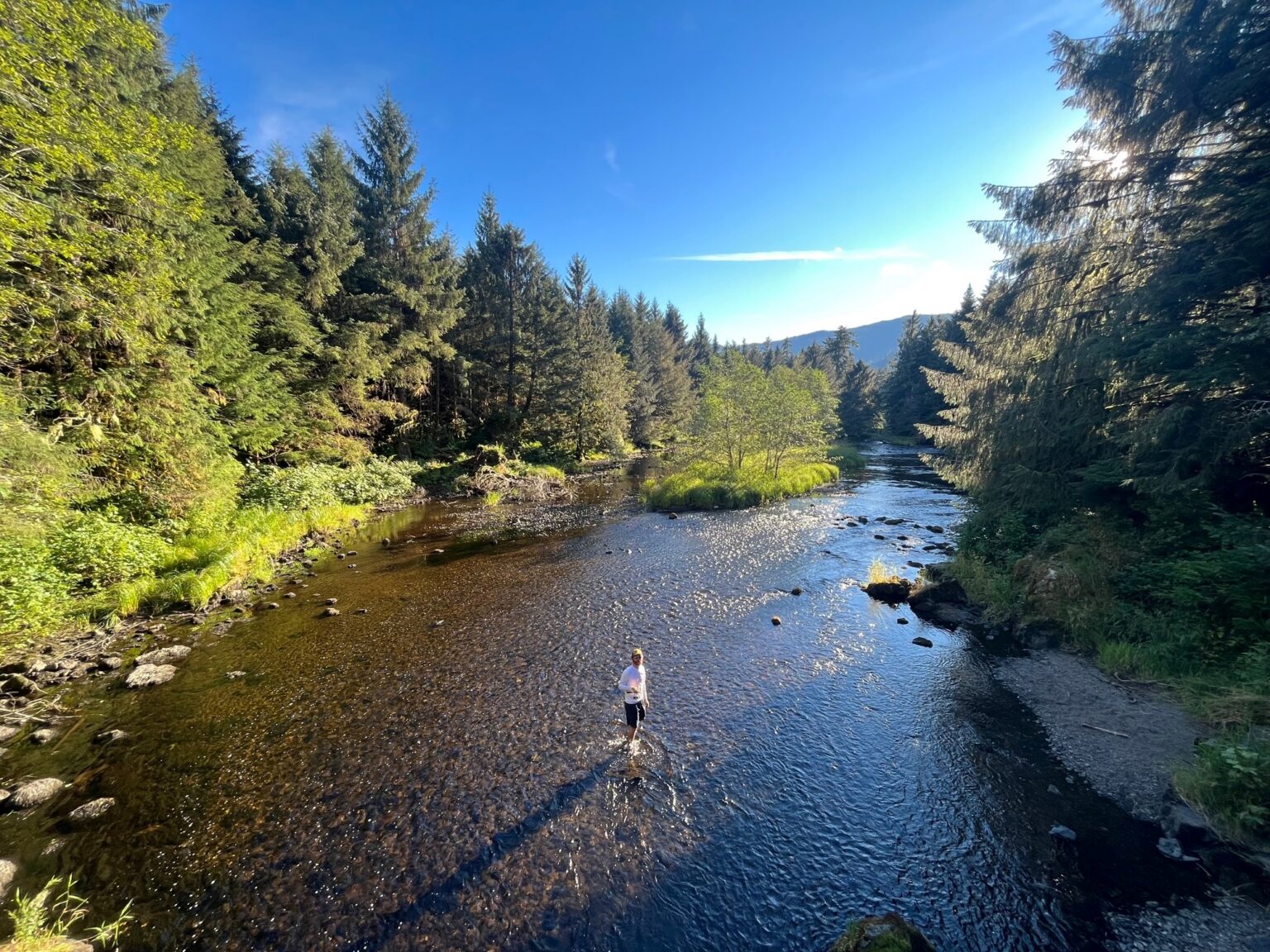
Senator Mike Lee's amendment would eliminate Roadless Rule protections on approximately 45 million acres of national forest lands across 37 states, opening pristine hunting and fishing areas to new road development. The amendment excludes Idaho and Colorado, which have state-level roadless protections.
A pending amendment provided to Field & Stream by a trusted source would completely nullify the National Forest’s Roadless Rule, which protects tens of millions of acres of public land across the country from new road development. The amendment was crafted by Sen. Mike Lee of Utah, who tried to sell off roughly 3.5 million acres of public land in a budget bill amendment last June. Expected to drop as soon as 10 a.m. Eastern Standard Time on Wednesday, June 10, the bill would also prohibit the Forest Service from issuing similar Roadless Rule protections in the future.
Lee’s amendment would be a rider on the Wildfire Prevention Act of 2026, introduced by Wyoming Senator John Barasso back in January. Titled “Roadless Rule Nullification,” it is one of several amendments Lee could attach to Barasso’s bill.
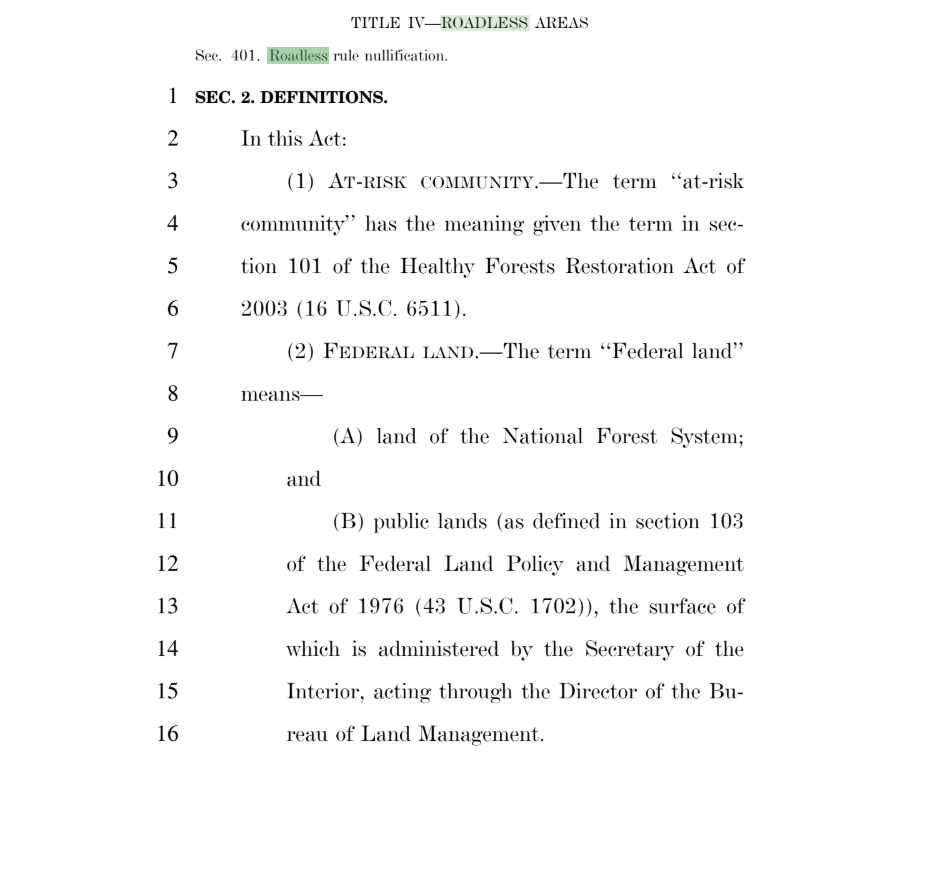
It closely mirrors a recent House Bill from Wyoming Representative Harriet Hageman, which F&S reported last month. That bill would also nullify the Roadless Rule, but it might not be necessary if Lee’s amendment becomes law. The primary difference between the two measures is that Lee’s amendment excludes Idaho and Colorado, which have their own state-level versions of Roadless Rule protections. All told, Lee’s version would eliminate Roadless Rule protections on approximately 45 million acres of USFS across 37 states.
According to Trout Unlimited, roadless areas provide some of the best hunting and fishing opportunities left on public land in America today. In their recently released Roadless Report, TU points out that there are already 370,000 miles of existing roads on USFS lands. And more than half of the Forest Service’s $10 billion deferred maintenance backlog can be attributed to dilapidated roads already in existence.
The TU report goes on to say that the Roadless Rule is crucial for protecting legendary public land hunting and fishing destinations like the Elk Horn Mountains in Montana (known for trophy bulls), the Tongass National Forest in southeast Alaska with its thriving salmon populations, and headwater populations of native brook trout in the East.
The Roadless Rule was first implemented in 2001 during the tenure of USFS Chief Mike Dombeck. “The rule was based on economics,” Dombeck told F&S in an April interview . “We just couldn’t afford the road system that we already had. And then we had an $8.6 million maintenance backlog, which amounts to nothing more than a taxpayer liability.”
Dombeck said the Roadless Rule garnered widespread public support when USFS first put it out for public comment in the early 1990s. “Of the 1.6 million or so comments that we received from the American public, 90 percent were in favor and most wanted more protections,” he added.
The Trump Administration’s USDA has been working to repeal the Roadless Rule through bureaucratic channels since the very beginning of President Trump’s current term. It’s unclear if that ongoing effort will cease if Lee’s amendment succeeds. Field & Stream contacted Sen. Lee’s office in relation to his Roadless Rule amendment, but we did not hear back in time for publication of this article.
Read Next: Montana’s Blackfoot River Threatened by Proposed Gold Mine and AI Data Center
If you’d like to speak up about the potential amendment, contact your senator via the Capitol Switchboard (202-224-3121), particularly if they serve on the Senate and Energy Natural Resource Committee, which Mike Lee chairs. We will continue to report on this story as more details emerge.
This represents a fundamental shift in how America manages its wildest public hunting and fishing lands. The Roadless Rule has protected nearly five decades worth of prime habitat – from Montana elk country to Alaskan salmon streams – based on both conservation science and fiscal reality. With the Forest Service already struggling under a $10 billion road maintenance backlog, opening roadless areas to development would create more taxpayer liability while fragmenting the intact ecosystems that produce our best hunting and fishing. For sportsmen, this is about preserving access to the kind of country that made American hunting and fishing legendary.

All new! 1871 Club Field Trips