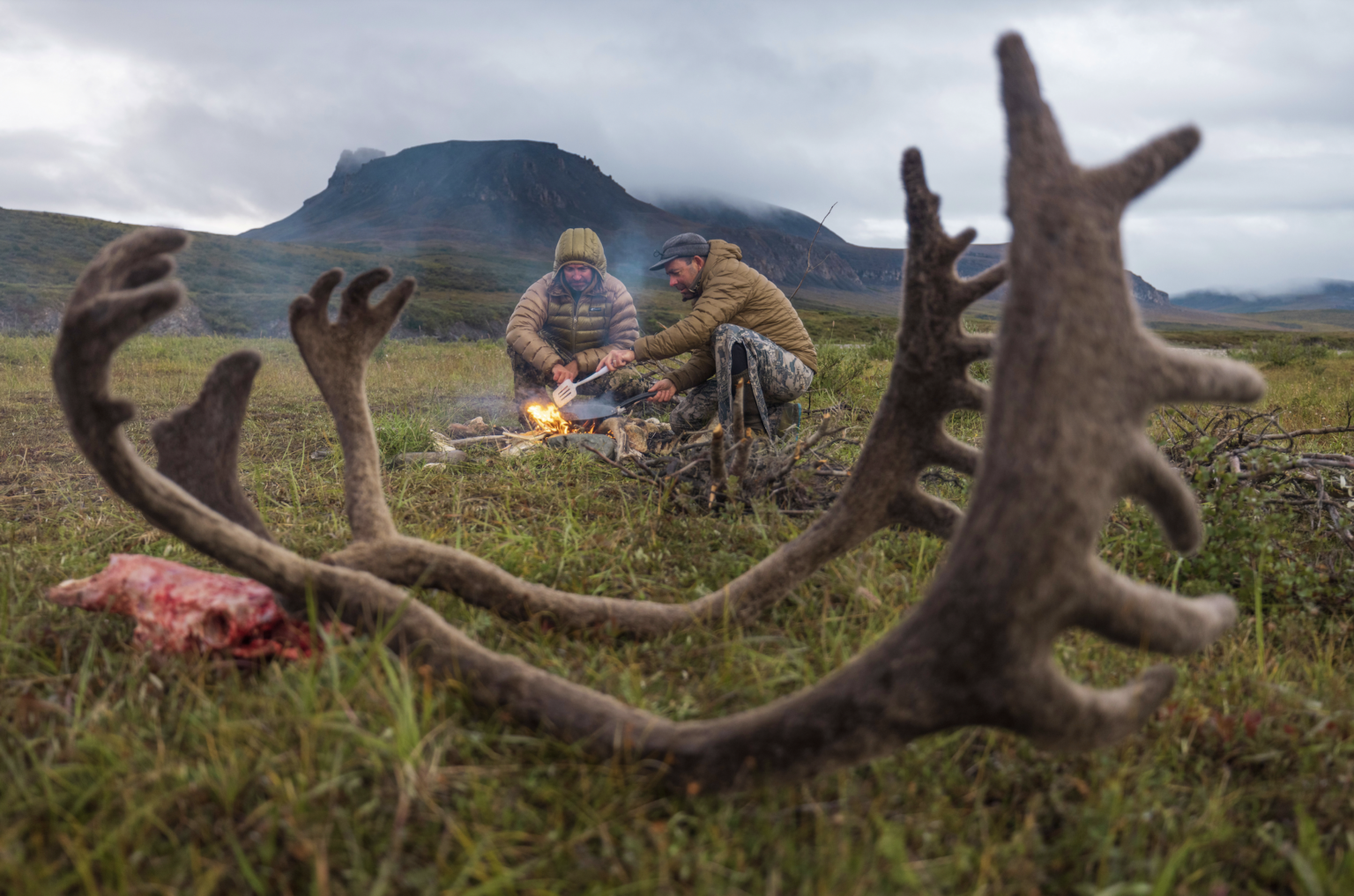
Back in late July, the Alaska Board of Game considered a full hunting and trapping closure for a two-mile wide corridor that runs for 211 miles through the southern foothills of the Brooks Range. Known as the Ambler Road, the proposed industrial mine road has been a major source of controversy in the state since 2015. Current leadership at the Department of Interior is pushing for the plan despite a 2024 study by the Bureau of Land Management (BLM) that said it would cause “extensive and irreversible damage” to the Brooks Range ecosystem.
The Game Board’s current proposal would completely prohibit hunting, trapping, fishing, and all public access for a full mile on both sides of the Ambler Road route, even though construction of the road is still uncertain. It marks the first time that the Alaska Department of Fish and Game (ADFG) has considered regulation changes related to the Ambler Road project.
What is the Ambler Road?
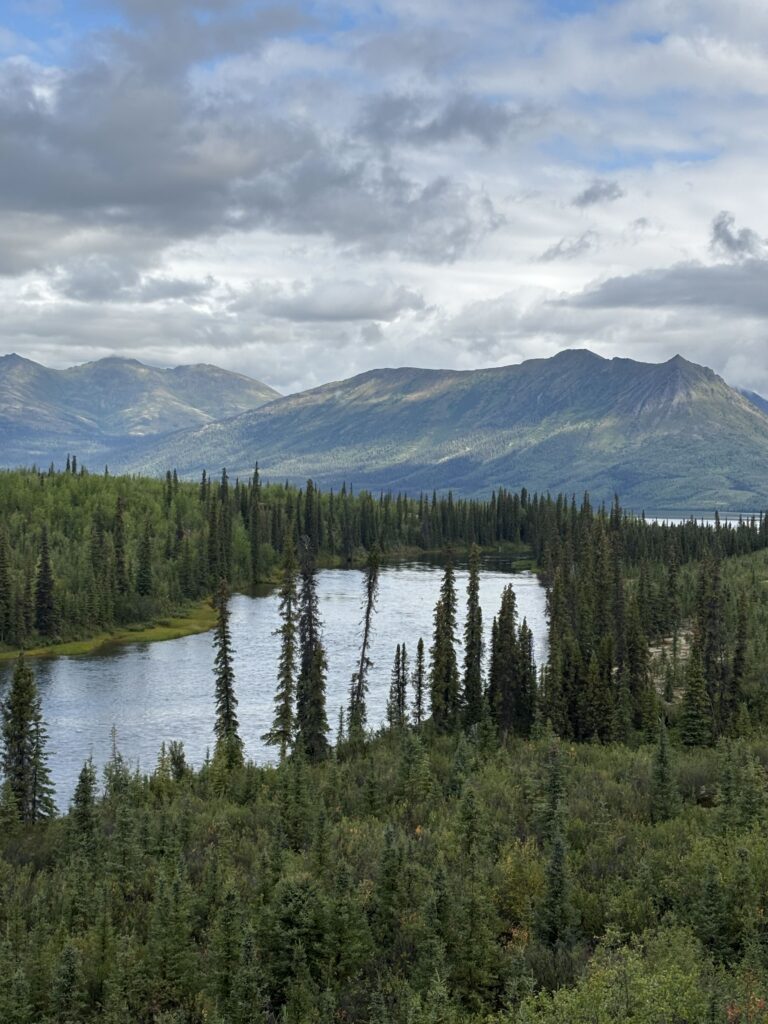
If built, the Ambler Road would branch off the Dalton Highway at milepost 161 near the small community of Coldfoot, which is the primary jumping-off-point for hunters and anglers taxiing into the Brooks Range via float or bush plane. It would then extend through what is currently undeveloped country to the Ambler Mining District near the community of Ambler.
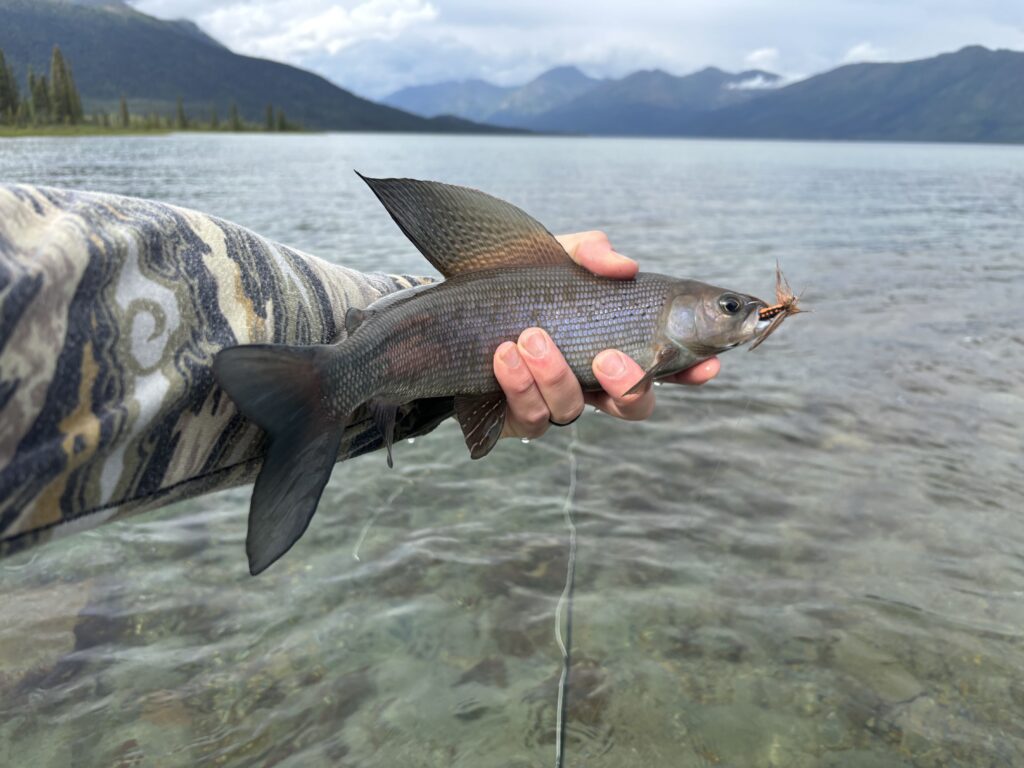
Conservationists have raised alarm bells about the project for years. Groups like Hunters & Anglers for the Brooks Range often cite its potential impacts. They point out that it would bring more than 3,000 stream crossings and culverts to the area’s pristine landscape, cutting off migration routes for sheefish and Arctic grayling while disturbing prime moose and caribou habitat. They’ve also warned that, as a private industrial corridor, the road would be completely off limits for hunters, anglers, and trappers.
Proposal 4
The Alaska Board of Game met in Fairbanks to consider the proposed closure on July 22 and 23. The plan to close the Ambler Road corridor to hunting and trapping, known as Proposal 4, was one of four potential regulation changes on the agenda. The Alaska Department of Game & Fish (ADFG) first announced special, out-of-cycle meeting back in mid-June.
According to the state’s own analysis, the hunting and trapping closure would occur inside units 23 and 24. Current hunting opportunities in these units are issued through a mix of general-season harvest tickets and registration permits. The land along the route contains a mixture of federally managed and state-owned public lands as well as land owned by native corporations.
“There would be a loss of hunting and trapping opportunity, for all species with open seasons, within the corridor, encompassing 420 square miles,” the ADFG analysis reads. Opportunities in this area include world-class caribou and moose hunts, as well as grizzly and black bear hunting and wolf trapping. The route would also cross areas where hunters chase small game species like ptarmigan, multiple grouse species, and snowshoe hair.
Caribou Concerns
According to meeting documents available online, the proposed route would cross the historical range of the Western Arctic Caribou Herd. “This portion of their range is an important wintering area,” the documents state.
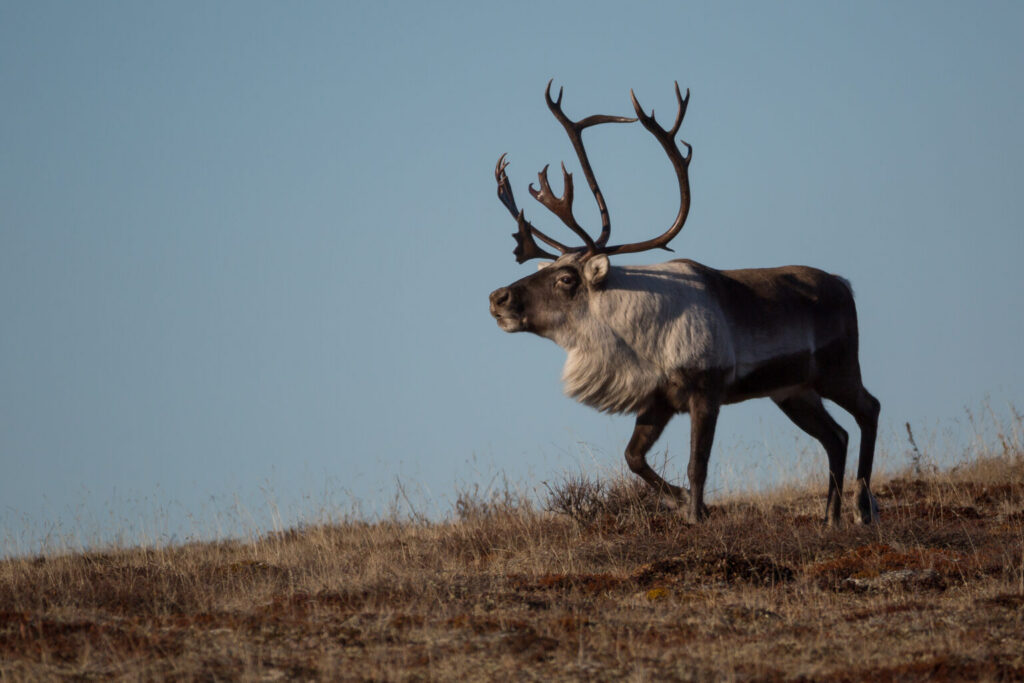
The most current population estimates for the Western Arctic Caribou Herd put their numbers at about 121,000 individual caribou. That’s a marked decline since the herd’s 2003 high of roughly 490,000. In unit 23 alone, hunters harvest roughly 12,000 caribou from the Western Arctic Herd every year, according to ADFG.
At the end of its two-day meeting last July, the Alaska Game Board decided to table Proposal 4, keeping hunting and trapping along the proposed Ambler Road route open for now. Board members cited a need for more deliberation and public input from locals and area tribes. Decision on the proposed closure have now been deferred to a future meeting of the Game Board set for January 2027 in Kotzebue.
BLM Study on Ambler Road Impacts
Back in June 2024, the Bureau of Land Management issued a Record of Decision blocking the construction of the Ambler Road. It did so by refusing right-of-way access to a swath of BLM-managed land at the beginning of the proposed route. After extensive environmental review, the agency found that the road would be too damaging to caribou, sheefish, Arctic grayling, and other wildlife species, and that it would deprive native communities of their subsistence hunting rights. That environmental review process also showed that irreparable impacts to permafrost would make it unlikely that the Ambler Road could ever be reclaimed.

In 2025, the Trump Administration’s Department of Interior, led by Secretary Doug Burgum, overturned that decision and granted the Alaska Industrial Development and Export Authority (AIDEA) right-of-way to begin building the road. Then, in May 2026, Burgum took the extraordinary step of transferring all of the BLM-managed lands along the nearby Dalton Highway to the state of Alaska. You can read Field & Stream’s previous reporting on that land transfer here.
What’s Next for the Brooks Range?
Now that this transfer has been finalized, the BLM no longer owns the 19-mile stretch of land where the Ambler Road would branch off the Dalton south of Coldfoot. This gives the state of Alaska full control over right-of-way easements at the beginning stretch of the Ambler Road. And unless the land were somehow transferred back to the federal government, it will bar future presidential administrations from using BLM authority to block road construction.
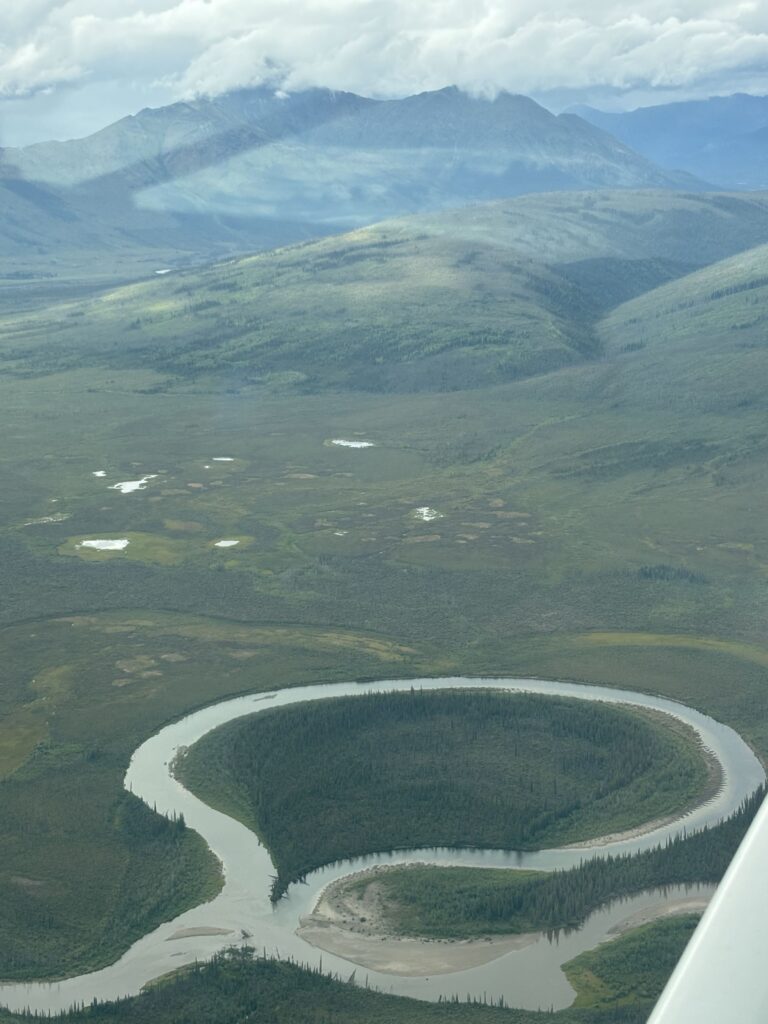
But all of this expediting and political jockeying at the state and federal level hasn’t resulted in active road construction just yet. Back in August, Field & Stream visited the area where the Ambler would branch off the Dalton and a portion of the pristine Gates of Arctic National Park that the road would have to traverse. As of this writing, the southern foothills of the Brooks Range are still wild and completely undeveloped.
Read Next: Forest Service Revisions Could Open Long-Protected Elk Habitat to Off-Road Vehicles
Though certain state and federal permits have been issued, they face litigation and legal uncertainty. There are also native corporations that own land along the route that would ostensibly need to grant access before the road can be completed—not to mention key questions about where the estimated $1.4 billion in funding that it will take to build the road will actually come from. F&S will continue to follow the Ambler Road projects as more details emerge.
EXCITING NEWS
Membership Now Includes